I have a confession to make. For years, I was the person who brought the sad, watery pasta salad to every potluck. You know the one. It’s that pale, limp version of rotini swimming in a mayonnaise-based dressing that separated in the car ride over. It tasted like regret and old refrigerator air. I thought that was just what pasta salad was supposed to be. I thought if I wanted good flavor, I had to stick to hot dishes.
Then, last July, I was tasked with bringing dinner to a neighborhood barbecue. I was stressed, the weather was 95 degrees, and I wanted something that wouldn’t make the host’s kitchen smell like a fryer. I decided to try something new—a restaurant-style pasta salad with a sharp Italian vinaigrette instead of mayo. I tossed it with fresh veggies, lots of herbs, and a cheese that actually melts into the noodles. I brought it over, half-expecting polite nods and untouched plates.
Instead, I watched my neighbor, who usually complains about everything, scrape the bowl clean. “What is in this?” he asked. “It tastes like that place downtown,” he said. That was the moment I realized I had been doing it wrong. This isn’t just a side dish. It’s a crowd-pleaser that actually tastes fresh, vibrant, and exciting. It’s the kind of dish that disappears in ten minutes, leaving everyone asking for the recipe.
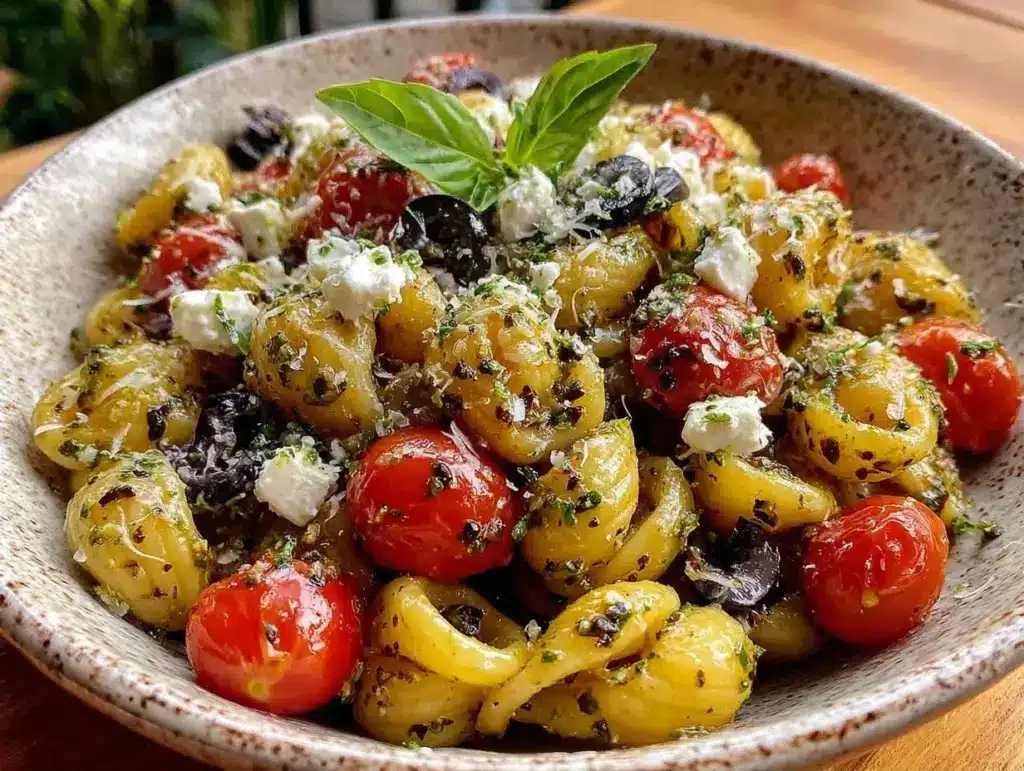
I’ve tested this Restaurant Style Pasta Salad with Italian Vinaigrette at least a dozen times since that barbecue. I’ve tweaked the cheese ratios, played with the pasta shapes, and perfected the dressing balance. The result is a salad that doesn’t get soggy, doesn’t taste heavy, and actually improves as it sits in the fridge overnight. If you’re tired of mayo-heavy salads, this is your new go-to. It’s bright, tangy, and packed with crunch. Trust me, once you taste it, you’ll never go back to the sad stuff.
Why You’ll Love This Recipe
There are about ten reasons I keep making this Restaurant Style Pasta Salad with Italian Vinaigrette, but here are the big ones that keep it in my weekly rotation.
It Actually Stays Crunchy — Most pasta salads turn into mush by the second day because the noodles absorb all the dressing. Not this one. By tossing the warm pasta with the vinaigrette immediately after draining, the noodles absorb the flavor without getting soggy. I’ve made this for meal prep, and on day three, the texture is still perfect. No limp noodles allowed.
Zero Cooking Stress — Seriously, if you can boil water, you can make this. There’s no chopping required for hours, no complex techniques. I throw everything into one big bowl. It’s perfect for when I’m hosting and want to spend time with my guests, not standing over a stove.
Flavor That Wakes Up Your Palate — The Italian vinaigrette is the star here. It’s sharp, garlicky, and herbaceous. It cuts through the richness of the cheese and olive oil, making every bite taste fresh. It’s like a side of that amazing homemade balsamic vinaigrette, but designed specifically to cling to pasta.
Crowd-Pleasing Versatility — I’ve served this to picky eaters, health-conscious friends, and heavy meat-lovers. Everyone finds something they love. The base is vegetarian, but you can easily add grilled chicken or shrimp. It’s flexible enough for any occasion, from picnics to potlucks to quick weeknight lunches.
Make-Ahead Magic — This salad tastes better the next day. The flavors meld together overnight, creating that deep, savory taste you only get from letting ingredients rest. I often make this the night before a party, and it’s ready to serve without any last-minute fuss.
This is my answer to “what should I bring?” when I’m hosting or attending a summer gathering. It’s reliable, delicious, and always a hit. No complicated techniques, just good food that makes everyone happy.
Ingredients You’ll Need
Here’s the best part: you probably have most of this already. The beauty of this Restaurant Style Pasta Salad with Italian Vinaigrette is that it uses simple, accessible ingredients, but the combination creates something special. I’m particular about three things here, and I’ll tell you exactly why.
For the Pasta Base
Rotini or Fusilli pasta (1 pound / 450g) — I always use rotini. The spirals are crucial because they trap the dressing and small bits of vegetable. Short pasta works best; long pasta like spaghetti doesn’t hold up well in a salad. I prefer Barilla because it cooks evenly and doesn’t get mushy.
Water and Salt — For boiling. Use plenty of salt—it should taste like the sea. This seasons the pasta from the inside out, which is half the battle.
For the Vinaigrette
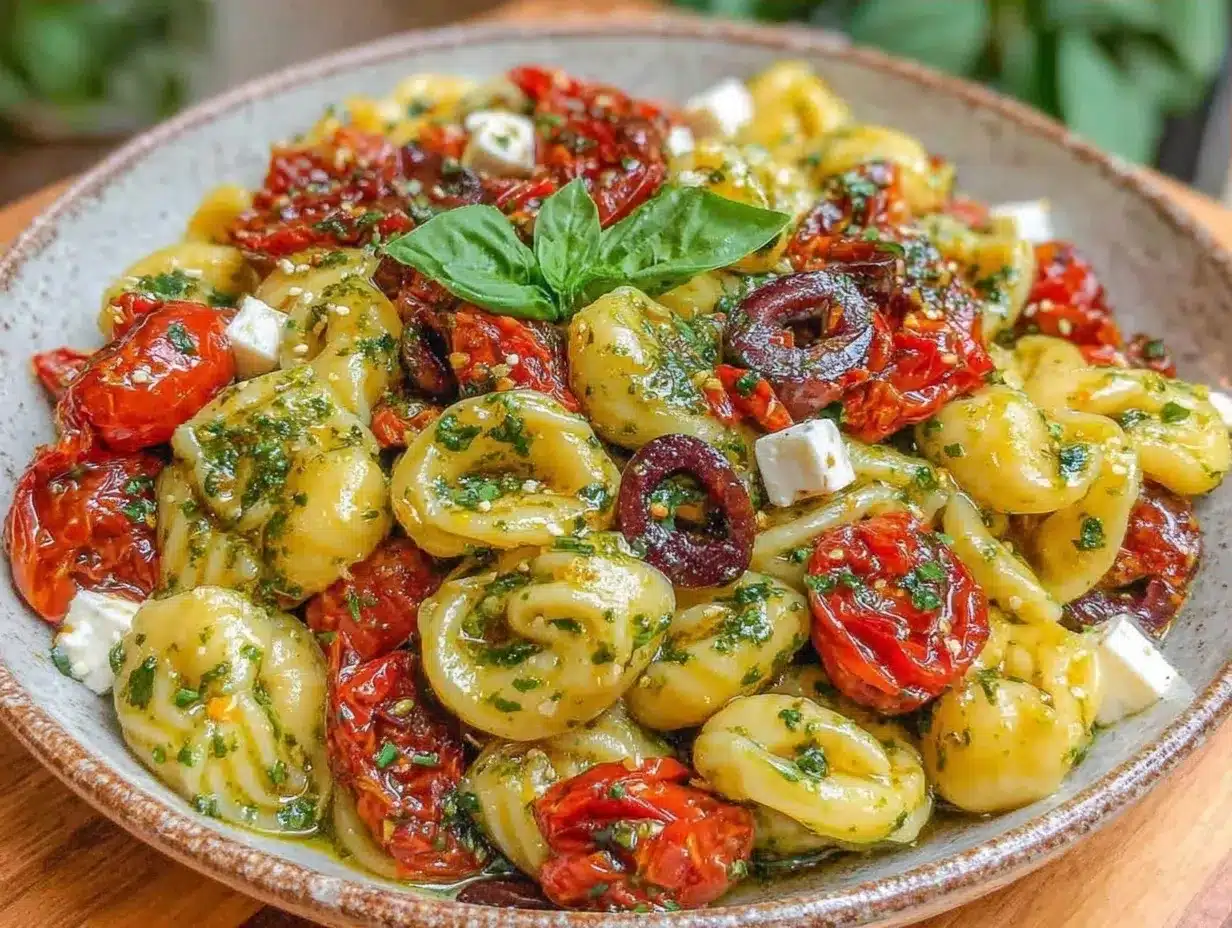
Extra Virgin Olive Oil (½ cup / 120ml) — Use good quality here. Since there’s no mayo to mask the flavor, the oil will be prominent. I keep a bottle of mild extra virgin for cooking and a robust one for this salad. The boldness adds depth.
Red Wine Vinegar (¼ cup / 60ml) — This gives the sharp, tangy kick that defines an Italian dressing. Apple cider vinegar works in a pinch, but red wine vinegar has that specific punch I love.
Garlic (3 cloves, minced) — Fresh garlic is non-negotiable. Jarred garlic has a metallic taste that clashes with the fresh herbs. Minced finely so it distributes evenly.
Dried Oregano (1 teaspoon) — This is the backbone of the Italian flavor. Don’t skip it. If you have fresh oregano, use double the amount, but dried holds up better in the fridge.
Dried Basil (1 teaspoon) — Again, dried works better here than fresh, which can turn black and slimy in the dressing. It provides that classic pizza-parlour aroma.
Dijon Mustard (1 tablespoon) — This isn’t for flavor, but for emulsion. It helps the oil and vinegar mix together so you don’t end up with a pool of oil at the bottom of the bowl.
Honey (1 tablespoon) — Just a touch to balance the acidity of the vinegar. You don’t want it sweet, just rounded out.
Salt and Black Pepper — To taste. I usually use about 1 teaspoon of salt and half a teaspoon of pepper, but adjust to your preference.
For the Mix-Ins
Cherry Tomatoes (1 cup, halved) — Sweet and juicy, they add bursts of flavor. I use grape tomatoes sometimes for a firmer bite, but cherry tomatoes are my favorite for their sweetness.
Cucumber (1 medium, diced) — I peel it first to remove the tough skin, then dice it into small cubes. It adds a refreshing crunch that contrasts with the soft pasta.
Red Onion (½ medium, finely diced) — Raw red onion can be sharp, so I soak the diced onions in cold water for 10 minutes before adding them. This mellowed the bite and keeps them crisp.
Kalamata Olives (½ cup, halved) — These add a briny, salty punch that ties everything together. If you’re not a fan of olives, you can skip them, but I think they’re essential for that restaurant-style taste.
Feta Cheese (1 cup, crumbled) — Feta is salty and tangy, which pairs perfectly with the vinaigrette. Some people use mozzarella pearls, but I prefer feta for its stronger flavor profile. It doesn’t melt into a gooey mess; it stays in distinct, flavorful bites.
Black Olives (½ cup, sliced) — I use both Kalamata and black olives for a mix of textures and flavors. Sliced olives distribute more evenly than whole ones.
Fresh Parsley (¼ cup, chopped) — Just before serving, I stir in fresh parsley for a pop of color and fresh herb flavor. It brightens up the whole dish.
Equipment Needed
You don’t need fancy equipment for this. Here’s what I actually use.
Large Pot — I use a 6-quart pot for boiling the pasta. It needs to fit a pound of rotini comfortably so the noodles can move around. My old stockpot works fine.
Large Colander — For draining the pasta. I keep it in the sink. Make sure it’s big enough to handle the volume of hot water.
Large Mixing Bowl — A 5-quart bowl is ideal. You need enough room to toss everything without spilling. I use a glass bowl because I can see the dressing coating the pasta.
Small Jar or Bowl — For whisking the vinaigrette. A mason jar with a lid is easiest—just shake it up. Or use a small bowl and a whisk.
Sharp Knife and Cutting Board — For chopping tomatoes, cucumbers, and onions. A serrated knife is nice for tomatoes to avoid squishing them.
Measuring Cups and Spoons — Standard stuff. Dollar store versions work fine.
Spatula or Large Spoon — For tossing the salad. I prefer a large silicone spatula because it scrapes the sides of the bowl and gets all the dressing.
How to Make It: Step-by-Step
Alright, let’s make this! I’m walking you through exactly how I do it, including the little tricks I’ve picked up.
Step 1: Cook the Pasta (10 minutes)
Bring a large pot of salted water to a boil. Add the rotini and cook according to package directions until al dente. This usually takes 8-10 minutes. IMPORTANT: Do not overcook it. The pasta will continue to soften slightly when you add the warm dressing. Drain the pasta in a colander and let it cool for about 5 minutes. You want it warm, not hot, so it doesn’t cook the vegetables.
Step 2: Make the Vinaigrette (5 minutes)
While the pasta cooks, whisk together the olive oil, red wine vinegar, minced garlic, dried oregano, dried basil, Dijon mustard, honey, salt, and pepper in a jar or small bowl. Shake or whisk until emulsified. The mixture should look cloudy and combined, not separated. Taste it—it should be tangy and garlicky. Adjust salt or vinegar if needed.
Step 3: Toss the Pasta with Dressing (2 minutes)
Transfer the warm pasta to your large mixing bowl. Pour about two-thirds of the vinaigrette over the pasta while it’s still warm. Toss well. This is the secret step! The warm pasta absorbs the dressing better than cold pasta. Set aside to cool completely to room temperature. This prevents the salad from getting soggy later.
Step 4: Prep the Vegetables (10 minutes)
While the pasta cools, chop your tomatoes, cucumber, and red onion. If you’re worried about the red onion being too strong, soak the diced pieces in a bowl of ice water for 10 minutes, then drain and pat dry. This keeps them crisp and mild. Halve the olives and crumble the feta cheese.
Step 5: Combine Everything (5 minutes)
Once the pasta is at room temperature, add the chopped vegetables, olives, and feta cheese to the bowl. Pour the remaining vinaigrette over the top. Toss everything gently but thoroughly until everything is evenly coated. The salad should look glossy and vibrant.
Step 6: Chill and Rest (At least 1 hour)
Cover the bowl with plastic wrap and refrigerate for at least one hour. This resting time allows the flavors to meld and the pasta to finish absorbing the dressing. I usually make this the night before, so it’s ready by the time I need it. If you’re in a hurry, you can serve it right away, but the taste is much better after chilling.
Step 7: Serve
Just before serving, stir in the fresh chopped parsley. Taste and adjust seasoning if needed—you might want a pinch more salt or a splash more vinegar. Serve chilled or at room temperature. It’s perfect alongside grilled meats or on its own with some crusty bread.
Expert Tips & Tricks
Here’s everything I’ve learned from making this dozens of times. These tips will save you from my mistakes.
Don’t Skip the Warm Toss
I know it seems counterintuitive to toss warm pasta with dressing, but it’s crucial. Cold pasta repels dressing. Warm pasta absorbs it. This step ensures every bite is flavorful. Just make sure it’s not piping hot, or you’ll wilt the veggies.
Use a Sharp Knife for Tomatoes
Squishing tomatoes ruins the texture. Use a serrated knife or a sharp chef’s knife to slice them cleanly. This keeps them juicy and prevents them from leaking too much liquid into the salad, which can make it watery.
Soak Your Onions
Raw red onion can be overpowering. Soaking diced onion in cold water for 10-15 minutes removes the harsh sulfur compounds. It makes the onion milder and crunchier. I learned this from a professional chef years ago, and it’s a game-changer for any raw onion dish.
Don’t Over-Dress
Pasta absorbs a lot of liquid. Start with less dressing than you think you need. You can always add more, but you can’t take it out. The pasta will continue to soak up the dressing as it chills, so if it looks dry after an hour, add a splash more.
Choose the Right Cheese
Feta is my go-to, but you can use mozzarella pearls or even shaved Parmesan. Just avoid cheeses that melt easily, like cheddar or mozzarella blocks, unless you’re serving it immediately. Feta holds its shape and adds that salty kick.
Make-Ahead Strategy
This salad actually gets better over time. Make it up to 24 hours in advance. Store it in an airtight container in the fridge. The flavors deepen, and the pasta becomes perfectly seasoned. I often make this on Sunday for a Wednesday dinner party.
Variations & Substitutions
Once you’ve nailed the basic version, here’s how you can mix it up. I’ve tried all of these.
Grilled Chicken Version
Add 2 cups of diced grilled chicken. I like to season the chicken with Italian herbs before grilling. This turns the salad into a full meal. It’s perfect for lunch boxes.
Shrimp Twist
Swap the chicken for 1 pound of cooked, peeled shrimp. Toss them in with the vegetables. It adds a nice seafood flavor that pairs well with the lemony vinaigrette.
Vegetarian Powerhouse
Add roasted red peppers, artichoke hearts, or sliced black olives for extra depth. I sometimes add a can of drained artichoke hearts for a Mediterranean vibe.
Gluten-Free Option
Use gluten-free rotini. Most brands work well in cold salads because they don’t get as mushy as they do in hot dishes. I’ve used Barilla gluten-free and it holds up great.
Dairy-Free Option
Skip the feta or use a dairy-free feta alternative. The rest of the recipe is naturally dairy-free. You can add extra olives or nuts for richness.
Herb Variations
If you have fresh basil, swap it for the dried basil. Fresh oregano also works well. Just add fresh herbs at the end to keep them bright.
Serving & Storage
How to Serve:
I usually serve this straight from the bowl at the dinner table. It looks rustic and colorful. But here are other ways I’ve enjoyed it:
Side Dishes:
- Grilled sausages or chicken
- Simple green salad with lemon dressing
- Roasted vegetables like zucchini or eggplant
- Crisp white wine or sparkling water with lemon
Storage Instructions:
Refrigerator: Store in an airtight container for up to 4 days. The salad will thicken as the pasta absorbs the dressing. Stir in a splash of olive oil or water if it looks too dry.
Freezing: I don’t recommend freezing this salad. The vegetables will become mushy, and the pasta texture will change. It’s best enjoyed fresh.
Pro Tip: If you’re bringing this to a potluck, pack the dressing separately if you’re making it more than a day ahead. Toss it just before serving to keep it fresh. But honestly, the pre-tossed version is usually fine for 24 hours.
Nutrition Information
I’m not a nutritionist, but here’s the breakdown if you’re tracking. This is per serving (based on 8 servings).
- Calories: 320
- Protein: 8g
- Carbs: 42g
- Fiber: 3g
- Sugar: 4g
- Fat: 14g
- Saturated Fat: 4g
- Sodium: 450mg
What’s good: It has a decent amount of carbs from the pasta, and the olive oil provides healthy fats. The vegetables add fiber and vitamins. What to know: It’s higher in sodium due to the olives and feta, so use low-sodium broth if you’re watching salt. But honestly, this is a treat. It’s better than takeout and tastes amazing.
Final Thoughts
So that’s my go-to Restaurant Style Pasta Salad with Italian Vinaigrette! I’ve probably talked your ear off at this point, but when you make a recipe this often, you have a lot to say about it.
This has saved summer dinners more times than I can count. It’s my answer to “what’s for dinner” when I’m tired, don’t want takeout, and still want something that tastes really good. My kids are happy, my friends are happy, and I’m happy because I’m not stressed about cooking.
Make it yours! Try different add-ins, swap in your favorite vegetables, adjust the garlic (though more is always better in my opinion). The best recipes are the ones you adapt to your family’s tastes.
If you make this, drop a comment and let me know what you think! I love hearing how recipes turn out in your kitchen. And if something doesn’t work, tell me that too—I’m here to help troubleshoot.
Happy cooking! And I hope your kitchen smells half as good as mine does right now.
Frequently Asked Questions
Can I use a different pasta shape?
Yes, but stick to short pasta. Penne, fusilli, or farfalle work well. Avoid long pasta like spaghetti or linguine because they don’t hold the dressing and veggies as well. The spirals or tubes are key for trapping the flavor.
Why did my pasta salad turn out dry?
Pasta absorbs a lot of liquid, especially when chilled. If it looks dry after refrigerating, stir in a tablespoon or two of olive oil or a splash of water. You can also add a bit more vinaigrette. It’s better to under-dress initially and add more later.
Can I make this ahead for a party?
Absolutely! This is actually better when made ahead. Make it up to 24 hours in advance. Store it in the fridge covered. Let it come to room temperature for 30 minutes before serving for the best texture and flavor.
Can I use fresh herbs instead of dried?
Yes, but adjust the quantity. Use twice as much fresh herbs as dried. Add fresh herbs at the end so they don’t wilt or turn dark in the dressing. Dried herbs hold up better in the fridge, which is why I prefer them for this recipe.
Is this salad safe to eat cold?
Yes, it’s designed to be served cold or at room temperature. The pasta is cooked, and the vegetables are raw but fresh. Just make sure to store it in the fridge until you’re ready to serve.
Can I add meat to this?
Definitely. Grilled chicken, shrimp, or salami are all great additions. Just make sure the meat is cooled before adding it to the salad to avoid wilting the vegetables.
How long does this pasta salad last?
It stays good in the fridge for up to 4 days. After that, the pasta may become too soft, and the vegetables may lose their crunch. It’s best eaten within the first two days for optimal texture.
Pin This Recipe!
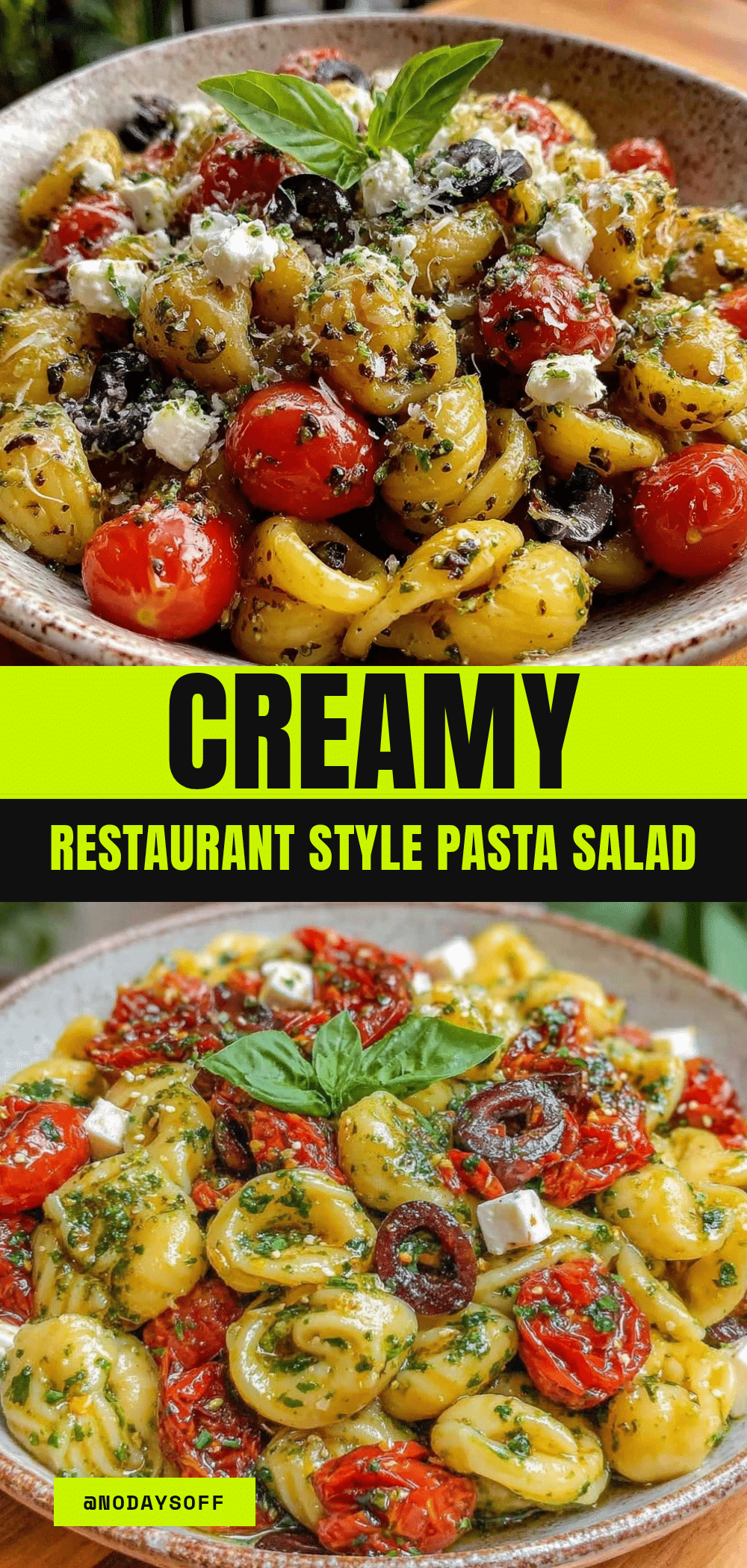
Restaurant Style Pasta Salad with Italian Vinaigrette
- Total Time: 35 minutes
- Yield: 8 servings 1x
Description
A vibrant, crowd-pleasing pasta salad featuring rotini tossed in a sharp Italian vinaigrette with fresh vegetables, feta cheese, and olives. It stays crunchy, improves overnight, and avoids the sogginess of traditional mayo-based salads.
Ingredients
- 1 pound (450g) Rotini or Fusilli pasta
- Water and Salt (for boiling)
- ½ cup (120ml) Extra Virgin Olive Oil
- ¼ cup (60ml) Red Wine Vinegar
- 3 cloves Garlic, minced
- 1 teaspoon Dried Oregano
- 1 teaspoon Dried Basil
- 1 tablespoon Dijon Mustard
- 1 tablespoon Honey
- Salt and Black Pepper to taste
- 1 cup Cherry Tomatoes, halved
- 1 medium Cucumber, peeled and diced
- ½ medium Red Onion, finely diced
- ½ cup Kalamata Olives, halved
- 1 cup Feta Cheese, crumbled
- ½ cup Black Olives, sliced
- ¼ cup Fresh Parsley, chopped
Instructions
- Bring a large pot of salted water to a boil. Add rotini and cook until al dente (8-10 minutes). Drain and let cool for 5 minutes until warm, not hot.
- In a jar or small bowl, whisk together olive oil, red wine vinegar, minced garlic, dried oregano, dried basil, Dijon mustard, honey, salt, and pepper until emulsified.
- Transfer warm pasta to a large mixing bowl. Pour about two-thirds of the vinaigrette over the pasta and toss well to allow absorption. Set aside to cool completely to room temperature.
- While pasta cools, chop tomatoes, cucumber, and red onion. Soak diced red onion in cold water for 10 minutes to mellow the bite, then drain and pat dry. Halve olives and crumble feta.
- Once pasta is at room temperature, add chopped vegetables, olives, and feta cheese to the bowl. Pour remaining vinaigrette over the top and toss gently but thoroughly until evenly coated.
- Cover the bowl with plastic wrap and refrigerate for at least one hour to allow flavors to meld.
- Just before serving, stir in fresh chopped parsley. Taste and adjust seasoning if needed. Serve chilled or at room temperature.
Notes
Tossing warm pasta with the dressing is crucial for flavor absorption. Soaking red onions in cold water reduces sharpness. The salad improves in flavor if made up to 24 hours in advance. Do not freeze as vegetables will become mushy. Store in an airtight container in the fridge for up to 4 days.
- Prep Time: 25 minutes
- Cook Time: 10 minutes
- Category: Side Dish
- Cuisine: Italian
Nutrition
- Serving Size: 1 serving (approx. 1
- Calories: 320
- Sugar: 4
- Sodium: 450
- Fat: 14
- Saturated Fat: 4
- Carbohydrates: 42
- Fiber: 3
- Protein: 8
Keywords: pasta salad, Italian vinaigrette, restaurant style, make ahead salad, summer side dish, vegetarian pasta salad, rotini salad