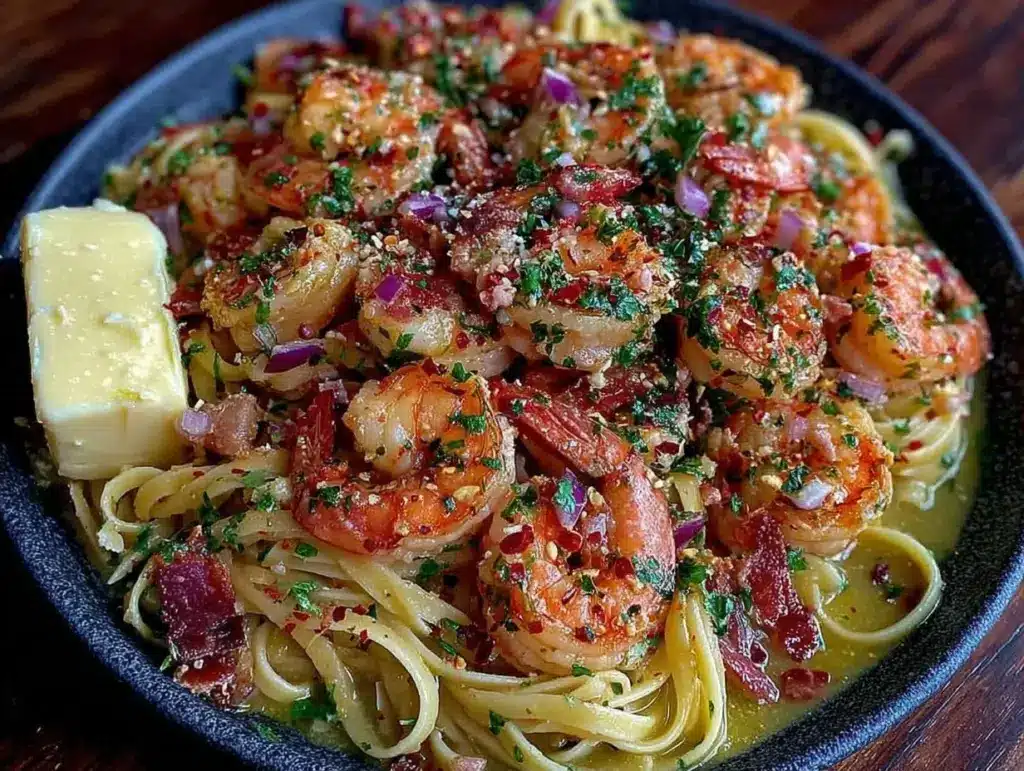
I still remember the first time I ordered shrimp scampi at a nice Italian restaurant. It was one of those places with dim lighting, white tablecloths, and menus that cost more than my weekly grocery bill. The plate arrived steaming, the shrimp glistening in a pool of golden garlic butter, and the smell of lemon and herbs hit me before I even picked up my fork. I took one bite and thought, “I can make this at home. It has to be that simple.”
Spoiler alert: it is that simple. But it’s also easy to mess up if you don’t know the tricks.
For years, I tried to recreate that restaurant magic, and I failed. A lot. I’ve had shrimp that tasted like rubber tires. I’ve had butter sauces that separated into oily puddles. I’ve had garlic that burned and turned bitter. I spent years feeling like I needed a professional chef’s kitchen to get it right. Then, I finally figured out the balance. The key isn’t fancy techniques; it’s timing, heat control, and not being afraid of the butter.
Now, this restaurant-style shrimp scampi is my go-to for date nights, quick weeknight dinners, or when I just want to feel fancy without the fancy price tag. It takes exactly 20 minutes from start to finish. Yes, twenty. That’s less time than it takes to order takeout and wait for the driver. It’s juicy, garlicky, buttery, and packed with lemon flavor. It’s the kind of meal that makes people ask, “Did you cook this? It tastes incredible.”
And the best part? You probably have most of the ingredients already. If you can boil water and chop a lemon, you can master this dish. Let me walk you through how I make it, step by step, so you can stop ordering it out and start making it at home.
Why You’ll Love This Recipe
There are about a dozen reasons I keep making this shrimp scampi, but here are the big ones that keep me coming back to the stove:
It’s Faster Than Takeout — Seriously. I’ve timed myself. From opening the freezer bag to plating, it takes 20 minutes. I’ve made this on weeknights when I got home at 7:30 PM and had dinner on the table by 7:50 PM. Compare that to waiting 45 minutes for a delivery driver who might get your order wrong.
Restaurant Quality at Home — I’ve served this to friends who claim they’re “fussy eaters” or “food snobs,” and they’ve all asked for the recipe. The secret is in the sauce. It’s not just melted butter; it’s an emulsion of butter, lemon juice, and pasta water (or white wine) that coats every piece of shrimp perfectly. It tastes like something from a high-end bistro.
Minimal Cleanup — You’re basically using one large skillet. Maybe a colander if you’re serving it over pasta. That’s it. I love that I can cook a gourmet meal without spending an hour scrubbing pots and pans afterward. It’s perfect for lazy Sundays or busy weeknights.
Flexible and Forgiving — Don’t have white wine? Use more broth or just extra lemon juice. Out of fresh parsley? Use dried, though fresh is better. Don’t like pasta? Serve it over rice, zucchini noodles, or just eat it straight from the pan with crusty bread. This recipe bends to your needs without losing its flavor.
Impressive but Easy — It looks and tastes complicated, but it’s really just sautéing shrimp and making a quick sauce. I’ve walked my teenage daughter through it over FaceTime while I was at work. She made it perfectly. If she can do it, so can you.
This is my answer to “what’s for dinner?” when I want something that feels special but doesn’t require a stress-induced headache. It’s reliable, delicious, and always a crowd-pleaser.
Ingredients You’ll Need
Here’s the best part: this restaurant-style shrimp scampi relies on a handful of high-quality ingredients. You don’t need a specialty store run. Most of this is pantry staples or freezer basics. Here’s exactly what I use and why.
Jumbo or Extra-Large Shrimp (1.5 pounds / 680g) — This is the star. Look for raw, peeled, and deveined shrimp. I prefer “wild-caught” if it’s within budget, but farmed works fine too. Make sure they’re thawed if frozen. Size matters here—jumbo or extra-large shrimp (21-25 count per pound) give you that restaurant-sized bite. Avoid small shrimp; they get lost in the sauce and turn rubbery easily.
Unsalted Butter (½ cup / 113g) — I use high-quality European-style butter if I’m feeling fancy, but regular unsalted butter works perfectly. Unsalted is crucial so you can control the saltiness. Don’t use margarine or light butter; you need the fat content for that rich, velvety sauce.
Extra Virgin Olive Oil (2 tablespoons / 30ml) — I use olive oil to start the sauté because butter burns at high heat. The olive oil raises the smoke point slightly. Use a good quality oil here—it adds a fruity note that complements the lemon.
Garlic (6-8 cloves, minced / about 3 tablespoons) — Yes, that much garlic. Shrimp scampi is a garlic dish. Don’t skimp. Use fresh garlic only. No jarred garlic, no garlic powder (unless you’re desperate, but please don’t). Mince it finely so it disperses evenly. I like to crush them with the side of my knife first to make peeling easier.
Dry White Wine (½ cup / 120ml) — This is the traditional liquid for deglazing. Use a wine you would actually drink. Sauvignon Blanc or Pinot Grigio are perfect. They’re crisp and acidic, which cuts through the richness of the butter. If you don’t drink alcohol, substitute with chicken broth or extra lemon juice plus a splash of vinegar.
Fresh Lemon Juice (3-4 tablespoons / 45-60ml) — Squeeze it yourself. Bottled lemon juice has preservatives and tastes flat. You need that bright, fresh acidity to balance the butter. I usually juice two medium lemons to be safe.
Lemon Zest (1 lemon) — Don’t skip the zest! The oils in the peel add a huge burst of aroma that juice alone can’t provide. Use a microplane or fine grater. Only the yellow part, not the white pith (which is bitter).
Red Pepper Flakes (½ teaspoon) — Optional, but I always add a pinch. It adds a subtle heat that wakes up the palate. Adjust to your spice tolerance.
Fresh Parsley (¼ cup, chopped / about 15g) — Flat-leaf Italian parsley is best. It has a cleaner, brighter flavor than curly parsley. It adds color and a fresh herbal note at the end. If you’re out, basil works, but parsley is classic.
Kosher Salt and Black Pepper — To taste. I use Kosher salt because it’s easier to control. Freshly cracked black pepper adds a nice bite.
For Serving (Optional but Recommended): — Cooked linguine or spaghetti. I love tossing the shrimp and sauce directly into the pasta. Or serve it over crusty Italian bread to soak up every drop of sauce.
Equipment Needed
You don’t need fancy gadgets for this. Here’s what I actually use in my kitchen:
Large Skillet or Sauté Pan — I use a 12-inch stainless steel skillet. It needs to be wide enough to spread the shrimp in a single layer. If you overcrowd the pan, the shrimp steam instead of searing. Cast iron works too, but stainless steel gives you better browning control.
Tongs — Essential for flipping shrimp quickly. Tongs give you more control than a spatula. I have a pair of long-handled tongs that are perfect for this.
Microplane or Zester — For the lemon zest. A regular grater works, but a microplane gets the fine zest you want without the bitter pith.
Measuring Spoons and Cups — Standard stuff. I keep a basic set on my counter.
Colander — Only if you’re serving over pasta. If you’re eating it straight, you don’t need it.
Cutting Board and Sharp Knife — For prepping the garlic and parsley. A sharp knife makes mincing garlic much safer and faster.
Small Bowl — For holding the minced garlic while you cook. It keeps your workspace organized.
Wooden Spoon or Silicone Spatula — For stirring the sauce. I prefer silicone because it won’t scratch my pans.
How to Make It: Step-by-Step
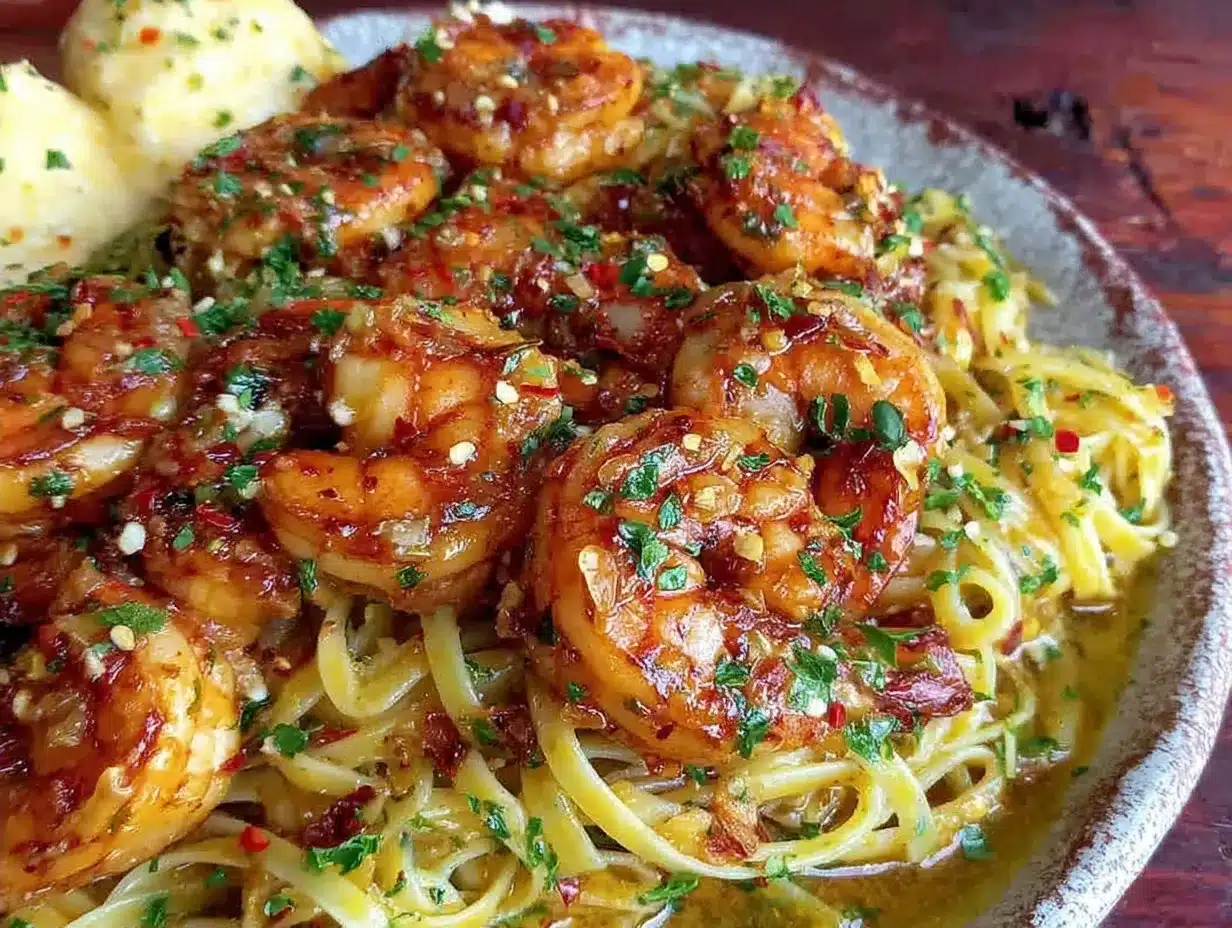
Alright, let’s make this! I’m walking you through exactly how I do it, including the little tricks I’ve picked up over the years. This restaurant-style shrimp scampi comes together fast, so have all your ingredients prepped before you turn on the heat.
Step 1: Prep the Shrimp (5 minutes)
If your shrimp are frozen, thaw them first. Put them in a colander and run cold water over them for a few minutes until they’re flexible. Pat them completely dry with paper towels. This is crucial—wet shrimp won’t sear; they’ll boil in their own juices. Once dry, season them lightly with salt and pepper. Set them aside on a plate.
Step 2: Zest and Juice the Lemon
Zest your lemon before you cut it. It’s easier. Grate the yellow part only. Then, cut the lemon and juice it. You’ll need about 3-4 tablespoons of fresh juice. Measure it out and set it aside with the zest. Mince your garlic and chop your parsley. Now you’re ready to cook.
Step 3: Sear the Shrimp (3-4 minutes)
Heat your large skillet over medium-high heat. Add the olive oil and let it get hot but not smoking. Add the shrimp in a single layer. If your pan is small, do this in two batches. Don’t crowd the pan! Cook for 1-2 minutes on one side until they turn pink and opaque. Flip them and cook for another minute. They should be just cooked through. Remove the shrimp from the pan and set them aside on a plate. Don’t clean the pan; that flavorful fond (browned bits) at the bottom is gold.
Step 4: Make the Sauce (2-3 minutes)
Reduce the heat to medium. Add the butter to the same skillet. Once it melts and foams, add the minced garlic and red pepper flakes. Stir constantly for about 30 seconds. You want the garlic to smell fragrant but not brown. Browned garlic is bitter. Pour in the white wine. Let it simmer for 1-2 minutes to reduce slightly and cook off the alcohol. You’ll notice the sauce thickening a tiny bit.
Step 5: Emulsify and Finish (2 minutes)
Remove the pan from the heat. This is the most important step. Stir in the lemon juice and lemon zest. Then, add the cooked shrimp back into the pan, along with any juices that accumulated on the plate. Toss everything together gently. The residual heat will warm the shrimp through without overcooking them. Taste the sauce. Add more salt or pepper if needed. Stir in the fresh parsley.
Step 6: Serve Immediately
Serve right away. If you’re using pasta, toss the shrimp and sauce directly into hot, cooked linguine. If not, spoon it into shallow bowls. Top with extra parsley and a wedge of lemon. Eat it while it’s hot.
Total Time: 20 minutes (5 minutes prep, 15 minutes cooking)
Built-in Troubleshooting:
- Shrimp turned rubbery? You overcooked them. Shrimp cook fast. As soon as they turn pink and opaque, they’re done. They continue cooking slightly after you remove them from the pan.
- Sauce looks separated? This happens if the heat was too high when you added the butter or lemon. Always remove from heat before adding lemon juice, and keep the heat medium-low when melting butter.
- Too salty? This can happen if your shrimp were pre-brined. Taste before adding extra salt. Use unsalted butter and control your seasoning.
Expert Tips & Tricks
Here’s everything I’ve learned from making this dozens of times. These tips will save you from my mistakes.
Pat the Shrimp Dry
This cannot be stressed enough. Moisture is the enemy of searing. If your shrimp are wet, they’ll steam. Dry shrimp = golden, caramelized edges. Wet shrimp = gray, rubbery discs. Use paper towels and be thorough.
Don’t Overcrowd the Pan
If you pile the shrimp on top of each other, they’ll steam. Give them space. If you have a small pan, cook in two batches. It takes 2 extra minutes but makes a huge difference in texture.
Remove from Heat for Lemon
Lemon juice can curdle butter if the pan is too hot. Always take the pan off the burner before stirring in the juice and zest. This keeps the sauce smooth and emulsified.
Use Fresh Garlic
Jarred garlic has a metallic, processed taste that really shows up in a simple sauce like this. Fresh minced garlic is worth the 2 minutes of effort. If you’re short on time, buy pre-peeled fresh cloves from the produce section.
Reserve Pasta Water
If you’re serving this over pasta, save a cup of the starchy pasta water. If the sauce is too thick when you toss it with the noodles, add a splash of pasta water to loosen it up. It helps the sauce cling to the pasta.
Pro Trick: The Cold Butter Finish
For extra gloss, you can whisk in a small cube of cold butter at the very end, off heat. It gives the sauce a restaurant-quality shine. I do this when I’m entertaining.
Variations & Substitutions
Once you’ve nailed the basic version, here’s how you can mix it up. I’ve tried all of these.
Alcohol-Free Version
Skip the white wine and use chicken or vegetable broth instead. Add an extra tablespoon of lemon juice to compensate for the lost acidity. It’s still delicious.
Spicy Shrimp Scampi
Double the red pepper flakes and add a pinch of cayenne. Or stir in a diced jalapeño with the garlic. Perfect if you like heat.
Herb-Forward
Swap parsley for fresh basil or tarragon. Basil adds a sweet, anise-like note that’s amazing with lemon. Tarragon adds a sophisticated, slightly licorice flavor.
Vegetable-Loaded
Add sliced mushrooms or asparagus to the pan after you remove the shrimp. Sauté them in the butter until tender, then add the shrimp back in. It adds bulk and nutrition.
Gluten-Free
This recipe is naturally gluten-free if you serve it over rice, quinoa, or zucchini noodles instead of pasta. Just make sure your broth (if used) is certified gluten-free.
Dairy-Free
Replace the butter with olive oil or a dairy-free butter alternative. The sauce will be lighter and less rich, but still flavorful. Add extra lemon and herbs to boost the taste.
Serving & Storage
How to Serve:
I usually serve this straight from the skillet at the dinner table—it looks rustic and stays warm. But here are other ways I’ve enjoyed it:
Side Dishes:
– Crusty Italian bread or garlic knots (essential for sopping up sauce)
– Simple arugula salad with lemon vinaigrette
– Roasted asparagus or green beans
– A light cucumber tomato salad
Wine Pairing:
Since the dish features lemon and butter, stick with crisp white wines. Sauvignon Blanc, Pinot Grigio, or a dry Riesling work beautifully. They cut through the richness and complement the citrus.
Storage Instructions:
Refrigerator:
Store leftovers in an airtight container for up to 2 days. The sauce will thicken in the fridge. Reheat gently in a skillet with a splash of water or broth to loosen it up. Do not microwave, as it can make the shrimp rubbery.
Freezing:
I don’t recommend freezing shrimp scampi. The texture of the shrimp changes, and the butter sauce can separate. It’s best enjoyed fresh. If you must freeze, freeze the sauce separately from the shrimp, but even then, the quality drops.
Pro Tip:
If you’re meal prepping, cook the pasta separately and store it. Reheat the shrimp gently in the sauce right before serving. This keeps the shrimp tender.
Nutrition Information
I’m not a nutritionist, but here’s the breakdown if you’re tracking. Please note that this varies based on shrimp size, butter amount, and serving suggestions.
Per Serving (based on 4 servings, without pasta):
- Calories: 320
- Protein: 24g
- Carbs: 4g
- Fiber: 1g
- Sugar: 1g
- Fat: 22g
- Saturated Fat: 9g
- Cholesterol: 180mg
- Sodium: 350mg
What’s Good:
– High in protein from the shrimp
– Low in carbs (if not served over pasta)
– Good source of selenium and vitamin B12
What to Know:
– Higher in saturated fat from the butter
– Contains shellfish allergen
My Take:
Look, this is rich, buttery comfort food. It’s not a diet recipe. But it’s way better than takeout, and you control the ingredients. When I want to make it lighter, I use less butter and more lemon, and I load up on vegetables. But usually? I just enjoy a reasonable portion and appreciate the flavor.
Final Thoughts
So that’s my restaurant-style shrimp scampi! I’ve probably talked your ear off at this point, but when you make a recipe this often, you have a lot to say about it. This has saved weeknight dinners more times than I can count. It’s my answer to “what’s for dinner?” when I’m tired, don’t want takeout, and still want something that tastes really good.
This recipe is flexible, forgiving, and fast. Make it yours! Try different herbs, swap in your favorite vegetables, or adjust the garlic (though more is always better in my opinion). The best recipes are the ones you adapt to your family’s tastes.
If you make this, drop a comment and let me know what you think! I love hearing how recipes turn out in your kitchen. And if something doesn’t work, tell me that too—I’m here to help troubleshoot.
Happy cooking! And I hope your kitchen smells half as good as mine does right now.
Frequently Asked Questions
Can I use frozen shrimp?
Yes, but you must thaw them completely first. Run them under cold water in a colander until they’re flexible. Then pat them dry. Never cook frozen shrimp directly in the pan; they’ll release too much water and steam instead of searing.
What kind of pasta goes best with shrimp scampi?
Linguine is the classic choice because its flat shape holds the sauce well. Spaghetti works too, as does fettuccine. If you’re avoiding gluten, use rice noodles or zucchini noodles.
Why is my shrimp rubbery?
Overcooking. Shrimp cook in 2-3 minutes total. As soon as they turn pink and opaque, remove them from the heat. They continue cooking slightly from residual heat. If you see them curl into a tight “C” shape, they’re done. If they curl into an “O” shape, they’re overcooked.
Can I make this ahead of time?
Not really. Shrimp are best cooked fresh. You can prep the garlic and lemon ahead of time, but cook the shrimp just before serving. The sauce is best when warm and emulsified.
Is shrimp scampi healthy?
Shrimp are low in calories and high in protein. However, traditional scampi is rich in butter and oil. You can lighten it up by reducing the butter to ¼ cup and using more olive oil, or by skipping the pasta. It’s all about portion control and balance.
Can I substitute white wine with something else?
Yes. Use chicken broth, vegetable broth, or even apple cider vinegar diluted with water. Add a splash of lemon juice to mimic the acidity of the wine. It won’t be identical, but it will still taste great.
Pin This Recipe!
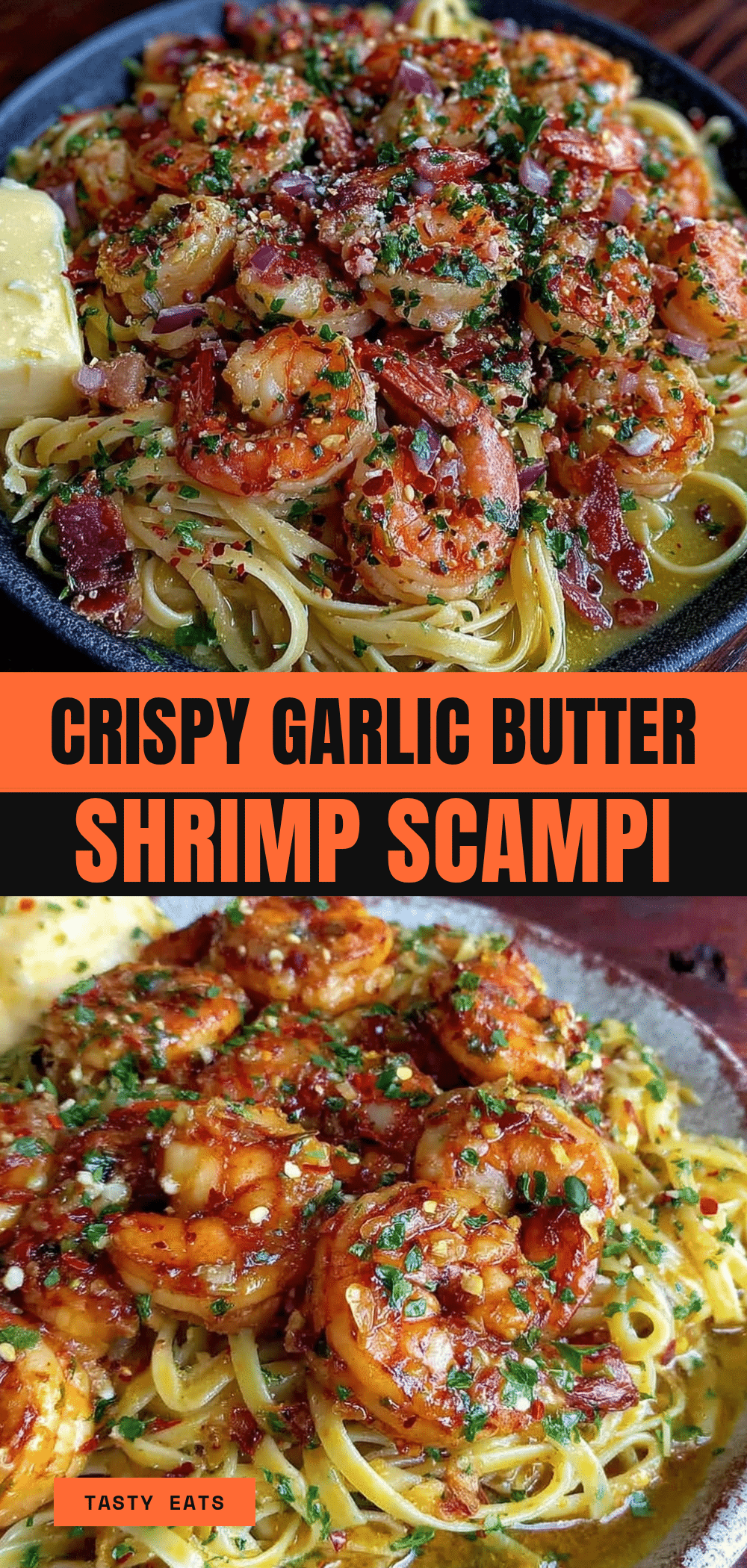
Restaurant Shrimp Scampi: Best 20-Min Meal
- Total Time: 20 minutes
- Yield: 4 servings 1x
Description
A quick, restaurant-quality shrimp scampi that takes only 20 minutes to make. This recipe features juicy shrimp in a rich, emulsified garlic butter and lemon sauce, perfect for weeknight dinners.
Ingredients
- 1.5 pounds jumbo or extra-large shrimp, peeled and deveined
- ½ cup unsalted butter
- 2 tablespoons extra virgin olive oil
- 6–8 cloves garlic, minced
- ½ cup dry white wine (such as Sauvignon Blanc or Pinot Grigio)
- 3–4 tablespoons fresh lemon juice
- Zest of 1 lemon
- ½ teaspoon red pepper flakes
- ¼ cup fresh parsley, chopped
- Kosher salt and black pepper, to taste
- Cooked linguine or spaghetti (optional for serving)
Instructions
- Thaw frozen shrimp if necessary and pat them completely dry with paper towels. Season lightly with salt and pepper.
- Zest the lemon, then juice it to measure 3-4 tablespoons. Mince the garlic and chop the parsley.
- Heat a large skillet over medium-high heat. Add olive oil and let it get hot but not smoking.
- Add shrimp in a single layer (cook in batches if necessary to avoid crowding). Cook for 1-2 minutes per side until pink and opaque. Remove shrimp from pan and set aside.
- Reduce heat to medium. Add butter to the same skillet. Once melted and foaming, add garlic and red pepper flakes. Stir constantly for 30 seconds until fragrant but not brown.
- Pour in white wine and simmer for 1-2 minutes to reduce slightly.
- Remove the pan from the heat. Stir in lemon juice and lemon zest.
- Return the shrimp and any accumulated juices to the pan. Toss gently to coat. The residual heat will warm the shrimp through.
- Taste and adjust seasoning with salt and pepper. Stir in fresh parsley.
- Serve immediately over cooked linguine or with crusty bread.
Notes
Pat shrimp dry thoroughly to ensure proper searing. Do not overcrowd the pan. Remove from heat before adding lemon juice to prevent the sauce from separating. If serving over pasta, reserve some pasta water to loosen the sauce if needed.
- Prep Time: 5 minutes
- Cook Time: 15 minutes
- Category: Main Course
- Cuisine: Italian
Nutrition
- Serving Size: 1 serving (approx. 1
- Calories: 320
- Sugar: 1
- Sodium: 350
- Fat: 22
- Saturated Fat: 9
- Carbohydrates: 4
- Fiber: 1
- Protein: 24
Keywords: shrimp scampi, quick dinner, italian recipe, garlic butter shrimp, 20 minute meal, restaurant style shrimp, weeknight dinner