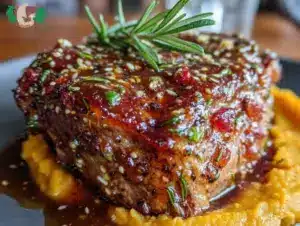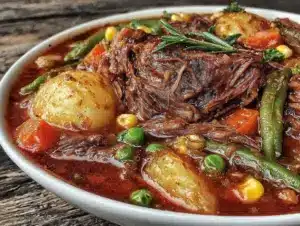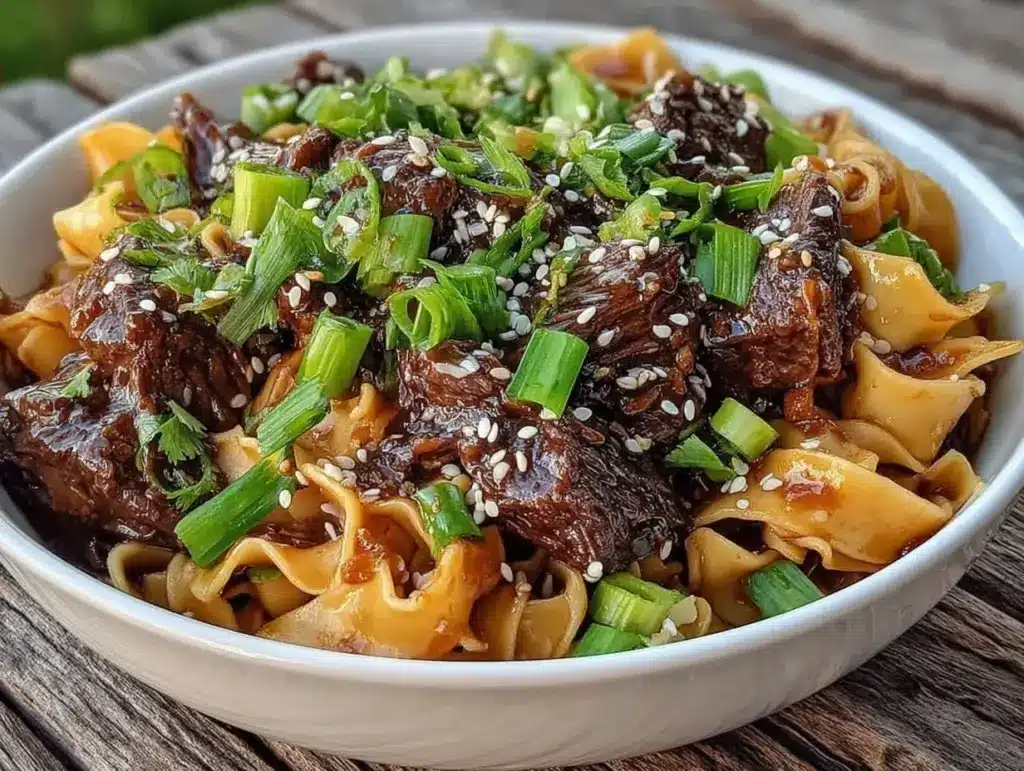
One chilly Thursday evening, I found myself craving something warm, comforting, and a little bit different from the usual weeknight suspects. I had a craving for something savory, slightly sweet, and with a touch of that unmistakable Korean flavor I’d been obsessed with lately. That’s when I threw together this savory Korean beef noodles recipe—totally on a whim, with whatever was in my fridge. I wasn’t expecting much, but within minutes, the whole kitchen filled with this amazing aroma of garlic, soy sauce, and toasted sesame oil. By the time I plated it, my family was practically hovering at the stove, asking when dinner was ready.
I’ve probably made this recipe over a dozen times since that night. It’s become my go-to for those cozy weeknights when I want something quick but with bold flavors that feel like a special treat. The best part? It’s surprisingly simple to make, uses pantry staples, and comes together in under 30 minutes. Whether you’re cooking for yourself or a hungry family, these Korean beef noodles deliver big on taste without the fuss.
Here’s the thing about this savory Korean beef noodles recipe: it’s packed with umami, a little heat if you want it, and that silky sauce that clings to every strand of noodle. I’ve tested it with different noodles, tweaked the seasoning just enough, and even sneaked in some veggies to keep it balanced. Trust me, once you try this, it’ll be one of those dinners you make on repeat without thinking.
Why You’ll Love This Recipe
This savory Korean beef noodles recipe has totally transformed my weeknight dinner game. Here’s why it’s so special:
- Fast and fuss-free — From chopping to plating in under 30 minutes. I made this after a long day of work and still had time to squeeze in a quick workout.
- Bold, authentic flavors — The soy sauce, garlic, ginger, and sesame oil combo hits all the right notes. Even my picky teenager asks for seconds.
- Flexible pantry ingredients — You likely have most of these in your kitchen already. No last-minute runs to specialty stores.
- Comfort food with a twist — It’s hearty, satisfying, and perfect for curling up with a bowl on a cold night.
- Easy to customize — Add veggies, swap noodles, or turn it into a stir-fry. I’ve tried all sorts of versions and they all work.
- Great for leftovers — The flavors actually deepen overnight. I often make a double batch for lunch the next day.
This recipe has become my secret weapon for busy nights when I want dinner that feels homemade but doesn’t take hours. Plus, it’s just downright delicious. I know you’re going to love it as much as we do.
Ingredients You’ll Need
Here’s the cool part: you probably have most of these ingredients sitting in your kitchen right now. I’m picky about a few key things, and I’ll share my tips so you get the best flavor every time.
- Ground beef (1 pound / 450g) — I use 80/20 for the best balance of flavor and fat. You can swap for ground turkey or plant-based beef if you prefer.
- Garlic (4 cloves, minced / about 1 tablespoon) — Fresh garlic is a must here. It’s the backbone of the flavor, so don’t skimp.
- Fresh ginger (1 tablespoon, grated) — Adds a bright, zesty kick. I keep frozen grated ginger in my freezer for convenience.
- Soy sauce (¼ cup / 60ml) — Use low-sodium if you want more control over saltiness. I always grab Kikkoman for consistent flavor.
- Brown sugar (2 tablespoons) — Balances the saltiness with a subtle sweetness. Light or dark both work.
- Sesame oil (1 tablespoon) — This is where the magic happens. Use toasted sesame oil for that nutty, rich aroma.
- Green onions (3 stalks, sliced thin) — Adds freshness and crunch. I save the whites for cooking and the greens for garnish.
- Red pepper flakes (½ teaspoon, optional) — For a gentle heat that warms the dish. Adjust based on your spice tolerance.
- Beef broth (½ cup / 120ml) — Adds depth to the sauce and keeps the beef moist.
- Rice vinegar (1 tablespoon) — Brightens and balances the richness.
- Noodles (8 ounces / 225g) — I prefer fresh or dried Korean wheat noodles or spaghetti if you can’t find those. Ramen or udon work too.
- Vegetables (optional) — I often toss in shredded carrots, baby spinach, or thinly sliced bell peppers for color and nutrition.
Quick substitutions:
- No fresh ginger? Ground ginger powder works in a pinch, but use less (about ¼ teaspoon).
- Out of brown sugar? Honey or maple syrup can substitute, but add a little less.
- No beef broth? Water with a splash of soy sauce will do.
- Don’t have rice vinegar? Apple cider vinegar or lemon juice can brighten things up.
Equipment Needed
You don’t need anything fancy for this savory Korean beef noodles recipe. Here’s what I use:
- Large skillet or wok — I prefer a 12-inch stainless steel skillet for even heat, but non-stick works if you want easy cleanup.
- Medium pot — For boiling the noodles. Any pot that fits your noodles comfortably will do.
- Sharp knife — For mincing garlic, ginger, and slicing green onions. A dull knife just makes everything harder.
- Cutting board — Plastic or wood, whatever you have.
- Measuring cups and spoons — For the sauce ingredients.
- Wooden spoon or spatula — For stirring the beef and sauce.
- Colander — To drain your noodles.
Optional but nice:
- Grater or microplane — Makes grating fresh ginger easy.
- Tongs — Great for tossing noodles with sauce.
How to Make It: Step-by-Step
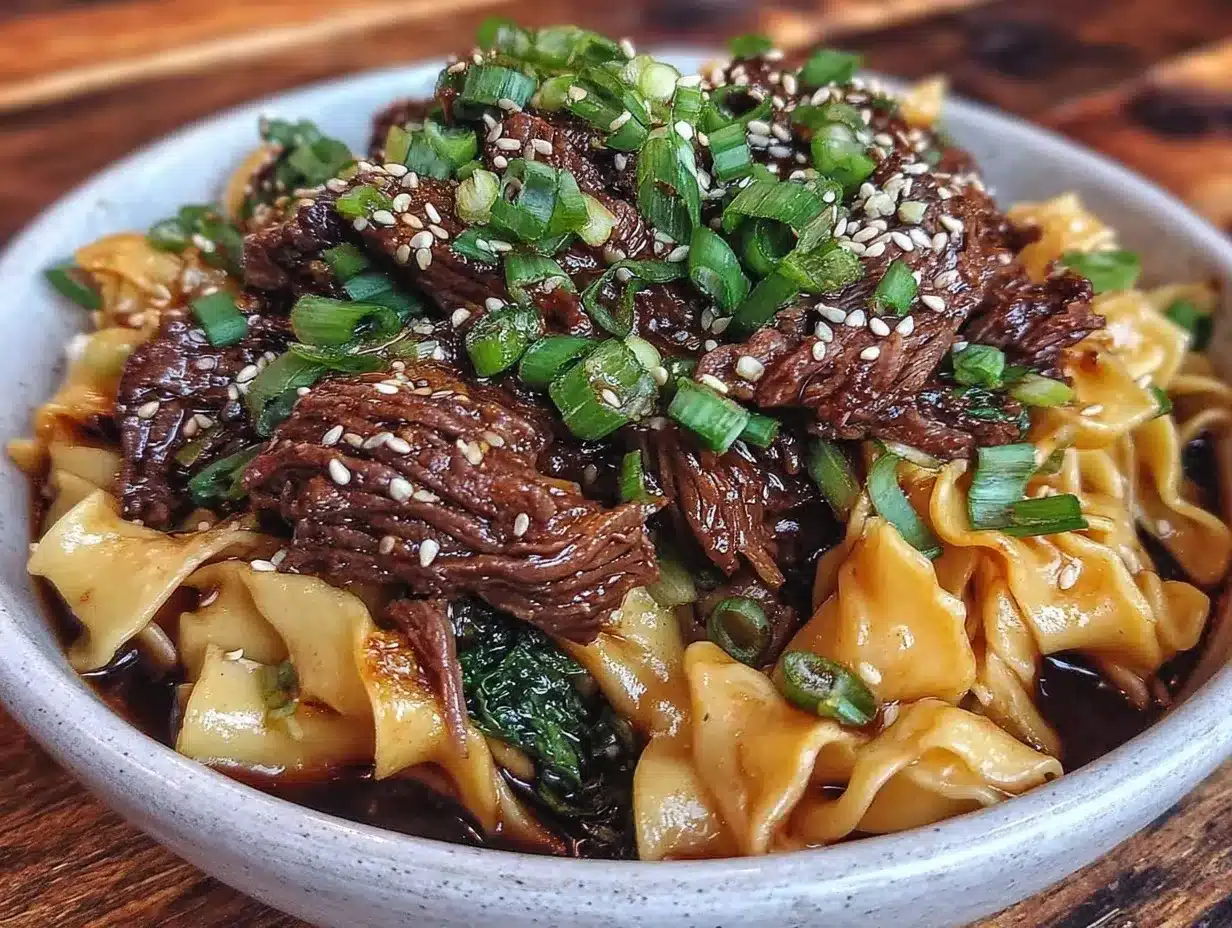
Alright, let’s get cooking! I’m walking you through exactly how I make this savory Korean beef noodles recipe, including the little tricks that make the flavors pop.
Step 1: Prep Your Ingredients (5-7 minutes)
Start by mincing garlic, grating ginger, and slicing green onions. If you’re adding any veggies, prep those now too. Measuring your sauce ingredients upfront makes the cooking flow so much smoother.
Step 2: Cook the Noodles (8-10 minutes)
Bring a large pot of salted water to a boil—salt it like the ocean. Add noodles and cook according to package instructions until just al dente. Drain and toss with a little sesame oil to keep them from sticking. Set aside.
Step 3: Brown the Beef (5-6 minutes)
Heat your skillet over medium-high heat. Add the ground beef and cook, breaking it up with your spoon, until it’s well browned and starting to crisp in spots. Drain excess fat if it looks too greasy. This step builds flavor, so don’t rush it.
Step 4: Add Aromatics (2 minutes)
Push the beef to one side of the pan. Add a drizzle of oil if needed, then toss in the garlic, ginger, and the white parts of the green onions. Stir and cook for about 1-2 minutes until fragrant. Be careful not to burn the garlic—it should smell sweet, not bitter.
Step 5: Build the Sauce (3-4 minutes)
Pour in the soy sauce, beef broth, brown sugar, rice vinegar, and red pepper flakes if using. Stir everything together and let it simmer for 3-4 minutes until the sauce thickens slightly and coats the beef.
Step 6: Combine Noodles and Finish (2 minutes)
Add the cooked noodles (and any optional veggies) to the skillet. Toss everything together so the noodles soak up that rich sauce. Turn off the heat and stir in the sesame oil and the green parts of the green onions.
Step 7: Serve
Dish out the noodles into bowls. If you want, sprinkle with extra green onions, sesame seeds, or even a fried egg on top. This is where it feels really special.
Total time: about 25-30 minutes with less than 15 minutes active cooking.
Expert Tips & Tricks
I’ve made these Korean beef noodles so many times that I’ve learned a few tricks to make them foolproof—and even better than restaurant versions.
- Don’t skip the brown sugar: It balances the salty soy sauce and adds a subtle caramel note.
- Use fresh ginger and garlic: It’s worth the extra chopping. Frozen ginger works, but fresh is unbeatable.
- Cook beef on medium-high heat: Browning creates flavor through caramelization. Don’t overcrowd the pan or it’ll steam instead.
- Save a little noodle water: If the sauce feels too thick, toss in a splash to loosen it up.
- Sesame oil is key: Add it off the heat at the end to preserve its nutty aroma.
- Customize heat level: Add more red pepper flakes or a drizzle of chili oil if you want it spicy.
- Leftovers taste even better: The sauce deepens overnight. Reheat gently with a splash of broth or water.
Variations & Substitutions
Once you’ve nailed this recipe, feel free to play around with it. I’ve tried these tweaks with great results:
- Spicy Korean Beef Noodles — Add gochujang (Korean chili paste) or extra chili flakes to the sauce for a fiery kick.
- Veggie Boost — Toss in shredded carrots, thinly sliced bell peppers, or baby spinach for color and nutrition. I love how the spinach wilts into the sauce.
- Chicken or Pork Version — Swap ground beef for ground chicken or pork. Adjust cooking time accordingly.
- Gluten-Free — Use rice noodles or gluten-free noodles and tamari instead of soy sauce.
- Low-Carb — Swap noodles for spiralized zucchini or shirataki noodles.
- Vegetarian — Use crumbled tofu or tempeh instead of beef, and vegetable broth for the sauce.
Serving & Storage
I usually serve these savory Korean beef noodles straight from the pan, but here are a few ideas to round out the meal:
- Side Dishes: Garlic roasted broccoli, steamed bok choy, or a simple cucumber salad.
- Toppings Bar: Toasted sesame seeds, sliced green onions, chili oil, or a fried egg to make it extra special.
- Wine Pairing: A light red like Pinot Noir or a crisp Riesling balances the savory flavors nicely.
Storage: Store leftovers in an airtight container in the fridge for up to 4 days. Reheat gently in a skillet over low heat with a splash of broth or water to bring back the sauce’s creaminess. Avoid the microwave if you can—it tends to dry it out.
Freezing: I don’t recommend freezing this dish; the noodles get mushy and the sauce separates. Better to make fresh or enjoy leftovers within a few days.
Nutrition Information
Not a nutritionist, but here’s a rough idea per serving (based on 4 servings):
| Calories | 480 |
|---|---|
| Protein | 28g |
| Carbohydrates | 45g |
| Fiber | 3g |
| Sugar | 7g |
| Fat | 20g |
| Saturated Fat | 7g |
| Cholesterol | 70mg |
| Sodium | 750mg |
| Calcium | 60mg |
This dish packs good protein and carbs for energy, with a decent dose of fat from the beef and sesame oil. You can easily boost fiber and vitamins by adding more veggies. It’s definitely comfort food, but you’re in control of how rich or lean you want to make it.
Final Thoughts
So that’s my favorite savory Korean beef noodles recipe for a cozy weeknight dinner. I’ve probably shared way more than you bargained for, but when you make something this often, you pick up all the little tips and tricks that really make it shine.
This recipe has saved so many of my hectic evenings. It’s simple, satisfying, and just the right kind of comforting. Plus, it’s a great way to introduce your family to Korean flavors without being intimidating.
Make it your own—try different add-ins, adjust the spice, or swap noodles. The best dinners are the ones you make with what you have and love. If you give this a try, I’d love to hear how it goes! Drop a comment below and tell me your favorite twists or questions. I’m here to help.
Happy cooking! And may your kitchen smell as amazing as mine does right now.
Frequently Asked Questions
Q: Can I use ground turkey instead of beef?
A: Absolutely! Ground turkey works well and makes the dish a bit lighter. Just be sure to brown it properly to develop flavor, and you might want to add a splash more soy sauce or broth since turkey is leaner.
Q: What noodles work best for Korean beef noodles?
A: Traditional Korean wheat noodles or fresh noodles are ideal, but spaghetti, ramen, or udon noodles are great substitutes. Rice noodles can work too, but the texture will be different. I usually cook noodles al dente so they hold up when tossed with the sauce.
Q: How spicy is this recipe? Can I make it milder?
A: The base recipe has just a gentle heat from red pepper flakes, but you can skip them entirely if you want mild. For more spice, add gochujang or chili oil. I like to keep it moderate so everyone can enjoy it.
Q: Can I prepare this recipe ahead of time?
A: You can make the sauce up to 2 days in advance and refrigerate it. Just cook noodles fresh before serving and toss with the warmed sauce. It’s not quite as fresh as made all at once but saves time on busy nights.
Q: Why did my sauce turn out watery?
A: Usually because the sauce didn’t simmer long enough to reduce, or too much broth was added. Let it simmer a bit longer to thicken, and don’t be shy about increasing the brown sugar slightly to help balance the texture.
Q: Can I use jarred garlic instead of fresh?
A: You technically can, but fresh garlic really makes a difference here. Jarred garlic tends to have a muted, slightly metallic flavor that shows up in simple sauces. Mincing fresh garlic only takes a minute, and it’s worth it.
Q: How do I reheat leftovers without drying them out?
A: Reheat leftovers gently in a skillet over low heat with a splash of broth or water. Stir frequently to bring back creaminess. Avoid the microwave if possible, but if you must, heat in short bursts with a splash of liquid and stir in between.
For a fun weeknight twist, I sometimes serve these beef noodles alongside my crispy garlic chicken for a Korean-inspired feast that everyone loves.
Pin This Recipe!
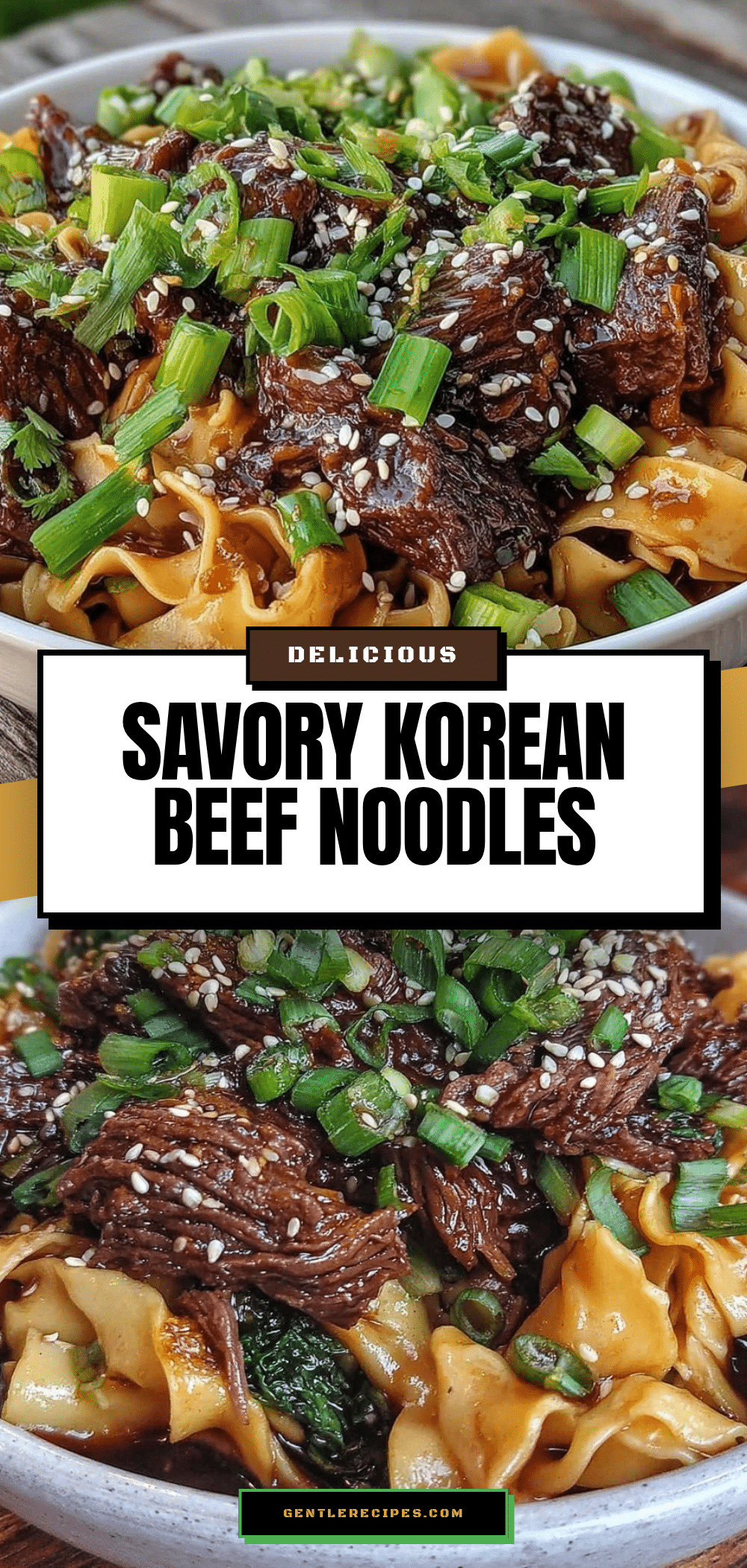
Savory Korean Beef Noodles
- Total Time: 25 minutes
- Yield: 4 servings 1x
Description
A fast, comforting, and flavorful Korean-inspired beef noodle dish perfect for cozy weeknight dinners. Packed with umami, garlic, soy sauce, and toasted sesame oil, it comes together in under 30 minutes using pantry staples.
Ingredients
- 1 pound ground beef (80/20)
- 4 cloves garlic, minced (about 1 tablespoon)
- 1 tablespoon fresh ginger, grated
- 1/4 cup soy sauce (60 ml), low-sodium recommended
- 2 tablespoons brown sugar
- 1 tablespoon toasted sesame oil
- 3 stalks green onions, sliced thin (whites and greens separated)
- 1/2 teaspoon red pepper flakes (optional)
- 1/2 cup beef broth (120 ml)
- 1 tablespoon rice vinegar
- 8 ounces noodles (225 g) – Korean wheat noodles, spaghetti, ramen, or udon
- Optional vegetables: shredded carrots, baby spinach, thinly sliced bell peppers
Instructions
- Prep your ingredients by mincing garlic, grating ginger, and slicing green onions. Prepare any optional vegetables and measure sauce ingredients.
- Bring a large pot of salted water to a boil. Cook noodles according to package instructions until just al dente. Drain and toss with a little sesame oil to prevent sticking. Set aside.
- Heat a large skillet or wok over medium-high heat. Add ground beef and cook, breaking it up, until well browned and starting to crisp. Drain excess fat if needed.
- Push beef to one side of the pan. Add a drizzle of oil if necessary, then add garlic, ginger, and the white parts of green onions. Stir and cook for 1-2 minutes until fragrant, avoiding burning the garlic.
- Pour in soy sauce, beef broth, brown sugar, rice vinegar, and red pepper flakes if using. Stir and let simmer for 3-4 minutes until sauce thickens slightly and coats the beef.
- Add cooked noodles and any optional vegetables to the skillet. Toss to combine so noodles soak up the sauce. Turn off heat and stir in sesame oil and green parts of green onions.
- Serve noodles in bowls. Optionally garnish with extra green onions, toasted sesame seeds, or a fried egg.
Notes
[‘Use fresh garlic and ginger for best flavor; frozen ginger is acceptable.’, ‘Brown sugar balances the saltiness and adds subtle caramel notes.’, ‘Cook beef on medium-high heat to develop flavor through caramelization.’, ‘Save a little noodle water to loosen sauce if too thick.’, ‘Add sesame oil off the heat to preserve its nutty aroma.’, ‘Adjust heat by adding or omitting red pepper flakes or adding gochujang/chili oil.’, ‘Leftovers taste better the next day; reheat gently with broth or water to maintain creaminess.’, ‘Avoid freezing as noodles get mushy and sauce separates.’]
- Prep Time: 10 minutes
- Cook Time: 15 minutes
- Category: Main Course
- Cuisine: Korean
Nutrition
- Serving Size: 1 bowl (approximatel
- Calories: 480
- Sugar: 7
- Sodium: 750
- Fat: 20
- Saturated Fat: 7
- Carbohydrates: 45
- Fiber: 3
- Protein: 28
Keywords: Korean beef noodles, savory beef noodles, quick dinner, weeknight meal, Korean recipe, ground beef recipe, easy noodles