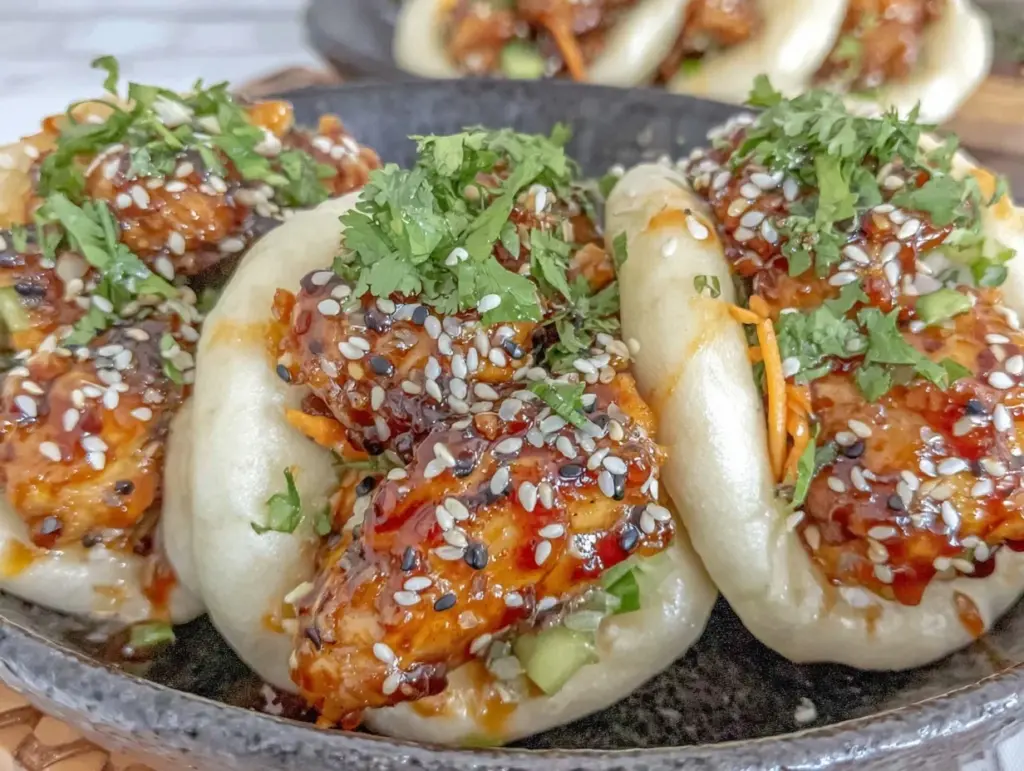
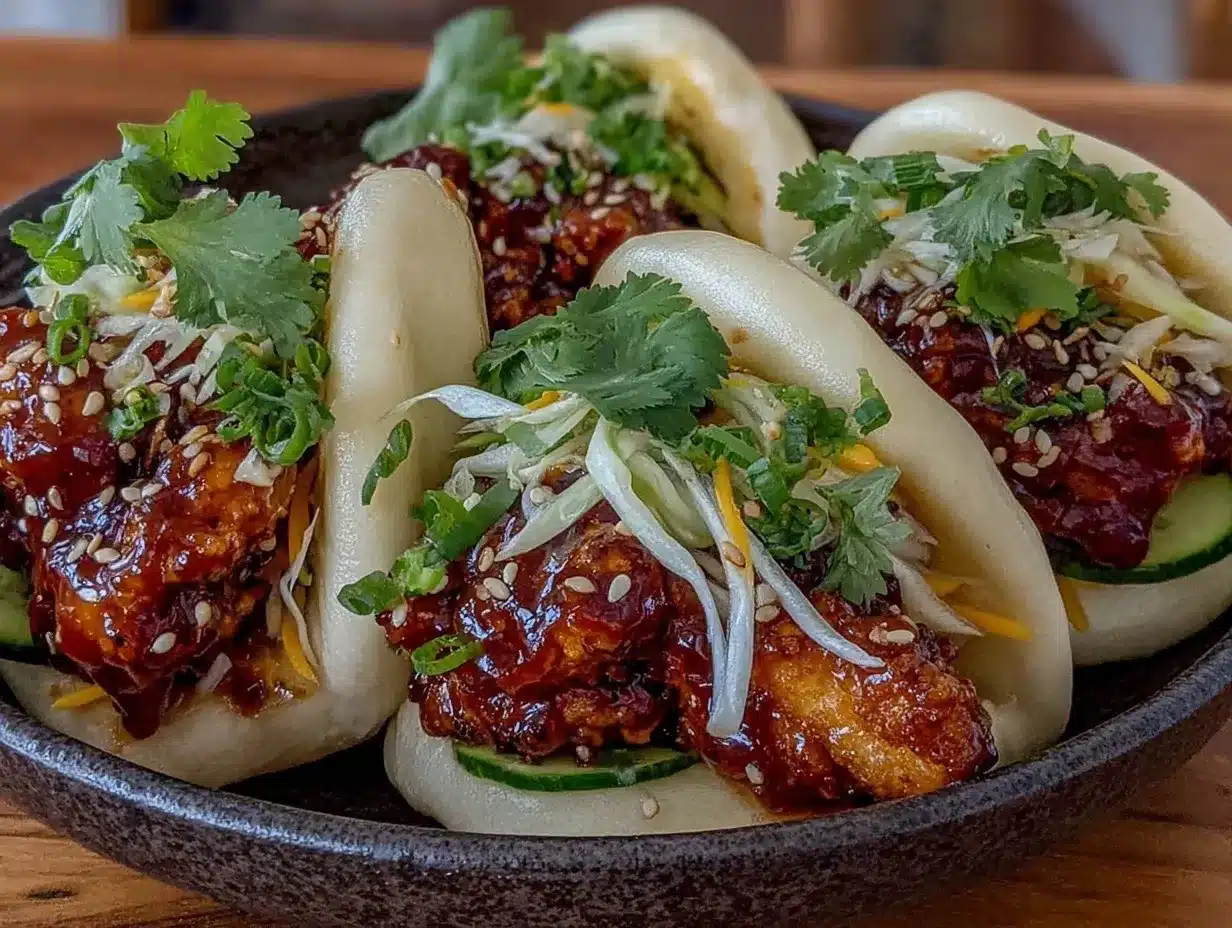
There’s something about sharing bao buns that feels instantly romantic. Maybe it’s the way you have to assemble them—hands-on, a little messy, sweet and spicy sauce trailing down your fingers. Anyway, my first attempt at Korean chicken bao wasn’t exactly planned. It was Valentine’s Day, and I’d forgotten to make a dinner reservation. So, I panicked, raided my fridge, and ended up making these soft, pillowy bao stuffed with gochujang-glazed chicken and crunchy pickles. Honestly? We ate them cross-legged on the living room floor, and it was way better than any restaurant.
The best part? You don’t have to be a professional chef (or someone who plans ahead) to pull off this Korean chicken bao recipe. I’ve tweaked it a dozen times now—sometimes with store-bought bao, sometimes homemade, always with that sticky, spicy-sweet glaze that makes you want to lick the plate clean. If you’re looking for a Valentine’s Day dinner idea that feels special but doesn’t require a culinary degree, this is it.
And real talk: the first time I made these, I overcooked the chicken and forgot to pickle the cucumbers. Still delicious. Sometimes the imperfect meals turn out the most memorable, especially when you’re cooking for someone you love. So, let’s get into how you can make these Korean chicken bao buns at home—no fancy equipment, no stress, just a recipe you’ll want to come back to for every date night.
Why You’ll Love This Korean Chicken Bao Recipe
Okay, let me gush for a second—these bao buns have totally ruined takeout for me. If you’ve never had Korean chicken in a soft, steamy bun, you’re in for a treat. Here’s why I keep making this recipe for every special occasion (and random Tuesday):
- Date-Night Worthy Without the Fuss: Takes about 40 minutes from start to finish. I’ve made this with a glass of wine in hand and zero stress.
- Pillow-Soft Bao Buns: You can use store-bought (I do, because life is busy), but homemade makes you feel like a kitchen genius.
- Sticky, Spicy, Sweet Chicken: Gochujang, honey, and soy sauce come together for the kind of glaze that makes your tastebuds sing.
- Crunchy Quick Pickles: The pickled cucumbers and carrots add brightness and balance—plus, they look gorgeous and taste even better.
- Customizable for Every Taste: You can crank up the spice, swap out the chicken for tofu, or add extra toppings. I’m not precious about it.
- Perfect for Sharing: These bao are designed for two but scale up easily. Bonus points if you assemble them together—it’s actually fun.
These Korean chicken bao buns are the kind of meal that makes you feel like you’re celebrating, even if it’s just Wednesday and you needed something cozy. And if you’re planning a Valentine’s Day dinner, trust me—your partner will be impressed. There’s something magic about homemade bao and saucy chicken, especially when you’ve made it yourself.
What Ingredients You’ll Need for Korean Chicken Bao
Here’s what I love about this ingredient list: you probably have half of these already, and the rest are easy to find. I break it down by component because knowing what each part does actually makes you a better cook (learned this the hard way!). And yes, I’m picky about a few things—let me explain why.
- For the Bao Buns:
- Store-bought bao buns (8 buns) — I get mine in the freezer section at my local Asian market. Homemade is amazing, but let’s be real: frozen works perfectly in a pinch.
- OR homemade bao dough — If you’re feeling ambitious, all-purpose flour, yeast, sugar, baking powder, milk, and oil. I’ve done both, but 90% of the time I grab the frozen kind.
- For the Korean Chicken:
- Boneless skinless chicken thighs (1 lb / 450g) — Thighs stay juicy and soak up the sauce. You can use breast, but it’s not as forgiving.
- Gochujang paste (2 tbsp) — This is the heart of Korean flavor. Look for it in a red tub in the international aisle. Don’t sub with sriracha—it’s not the same.
- Soy sauce (2 tbsp) — I use Kikkoman, but feel free to use what you have.
- Honey (2 tbsp) — Balances the heat. Maple syrup works too.
- Rice vinegar (1 tbsp) — Adds tang and cuts through the richness.
- Garlic (2 cloves, minced) — Fresh is best, but jarred works in a pinch.
- Ginger (1-inch piece, grated) — Skip if you hate ginger, but honestly, it makes the sauce pop.
- Cornstarch (1 tbsp) — Optional for thickening the glaze.
- Sesame oil (1 tsp) — Toasted is best, adds a nutty finish.
- For the Quick Pickles:
- English cucumber (½, thinly sliced) — Regular works too, just peel it.
- Carrot (1 small, julienned) — Adds crunch and color.
- Rice vinegar (2 tbsp)
- Sugar (1 tsp)
- Salt (¼ tsp)
- For Serving:
- Fresh cilantro — Adds brightness. If you hate it, skip.
- Scallions — Sliced thin for crunch and color.
- Sesame seeds — Toasted if you have time. I usually forget, but it’s a nice touch.
Ingredient Notes:
- I always keep gochujang in the fridge—it lasts forever and adds depth to everything.
- Store-bought bao buns need to be steamed, not microwaved. Trust me, they get chewy if you zap them.
- If you can’t find bao buns, soft slider rolls actually work in a pinch (don’t tell the bao purists).
- Chicken thighs are my go-to because they forgive overcooking. Breasts can get dry, especially if you get distracted (which I always do).
- Quick-pickling is my secret weapon—takes 10 minutes and makes the whole dish taste fresh.
Got questions? Ask away in the comments—I’ve swapped ingredients and brands more times than I can count. If you’re missing something, there’s probably a workaround.
Equipment Needed for Korean Chicken Bao
You don’t need a fancy kitchen to make these. I’ve made Korean chicken bao buns with nothing but a basic stove and a steamer basket that’s older than my cat.
- Steamer basket or bamboo steamer — For bao buns. I use a metal steamer that fits over my saucepan. Bamboo is classic and looks cool, but any kind works.
- Large skillet or nonstick pan — For cooking the chicken. I’m partial to cast iron, but use what you have.
- Mixing bowls — One for pickles, one for chicken marinade.
- Measuring spoons and cups — Baking is science, but saucing is art. I use spoons for the glaze, then eyeball the rest.
- Cutting board and sharp knife — For slicing veggies and chicken.
- Tongs or spatula — Tongs make flipping chicken easier, but a spatula works.
Tool Tips:
- No steamer? Improvise with a metal colander over a pot of boiling water—just cover with a lid.
- If you don’t have a skillet, a saucepan works for the sauce. You’ll just need to stir more.
- My favorite hack: use parchment paper squares under each bao so they don’t stick. Learned this after peeling bao bits off the steamer—messy, but worth it.
The only “fancy” thing I sometimes use is a microplane for grating ginger. Not necessary, but makes life easier.
How to Make Irresistible Korean Chicken Bao: Step-by-Step
Alright, let’s make these! I’m breaking down every step, including the little things that make a big difference. I promise you, it’s easier than it looks—and you’ll have dinner on the table in under an hour.
- Prep Your Quick Pickles (10 minutes)
- Combine cucumber and carrot in a bowl. Add rice vinegar, sugar, and salt. Toss to coat.
- Let sit while you prep everything else. They’ll get crunchy and tangy—don’t skip this!
- Marinate and Cook the Chicken (20 minutes)
- Slice chicken thighs into bite-sized pieces. In a bowl, mix gochujang, soy sauce, honey, rice vinegar, garlic, ginger, and sesame oil.
- Add chicken and toss until coated. Let sit for at least 10 minutes (longer if you have time).
- Heat your skillet over medium-high. Add a splash of oil, then the chicken and all the marinade.
- Cook for 6-8 minutes, stirring occasionally, until chicken is caramelized and cooked through. If the sauce looks thin, mix cornstarch with a tablespoon of water and stir in—sauce will thicken up fast.
- You want the chicken sticky and glossy. Don’t walk away—gochujang can burn quickly! Learned that one the hard way.
- Steam the Bao Buns (10 minutes)
- If using store-bought, steam according to package instructions (usually 8-10 minutes over simmering water). Use parchment squares to prevent sticking.
- If making homemade: shape dough into 8 balls, flatten, and steam for 12-15 minutes until puffed and springy.
- Don’t overcrowd the steamer—bao need space to puff. I do them in two batches.
- Assemble the Bao (5 minutes)
- Carefully open each bun (they’re hot!), fill with a generous scoop of Korean chicken, a handful of pickles, and a sprinkle of cilantro, scallions, and sesame seeds.
- Be generous with toppings—more is more here.
- Serve and Enjoy
- Stack bao on a plate, drizzle with extra glaze if you have it, and dig in. Serve with napkins—things get saucy.
Troubleshooting:
- If your chicken looks pale, crank up the heat for a minute to caramelize the sauce.
- Steamed bao should be soft and pillowy—if they’re tough, they overcooked. It happens.
- If the pickles taste too salty, rinse and toss again with a splash of vinegar.
At this point, you’re about 35 minutes in and your kitchen probably smells incredible. You’ll know the bao are ready when they’re steaming hot and you can’t resist sneaking one before plating.
My Best Tips & Techniques for Korean Chicken Bao
Okay, here’s where I spill everything I’ve learned from making these bao buns way too many times:
- Don’t Overcrowd the Steamer: I learned this after ending up with smooshed, stuck-together buns. Give them space—they puff up as they cook.
- Chicken Thighs > Chicken Breast: Thighs stay juicy, even if you forget to set a timer. Breasts dry out way faster.
- Marinate Longer for Deeper Flavor: If you have time, let the chicken marinate for 30 minutes. Huge difference in taste.
- Use Parchment Paper Squares: This is key for easy bao removal. I cut 4-inch squares and place each bun on one before steaming.
- Taste Your Sauce Before Cooking: Gochujang brands vary in heat. If it’s too spicy, add extra honey. If too mild, add more gochujang.
- Quick-Pickling is a Game-Changer: Ten minutes is enough for crisp, tangy veggies. Longer is better, but don’t stress if you’re short on time.
- Don’t Microwave the Bao: Trust me, they get rubbery. Always steam, even if it’s in a makeshift setup.
- Assemble Just Before Serving: Bao buns lose their fluff if they sit with hot fillings too long. Fill them at the table for maximum wow factor.
- Garnish Generously: Cilantro, scallions, sesame seeds—go wild. It’s not just for looks; it actually balances the flavors.
And if you’re making these for Valentine’s Day, light a candle and play some music. It’s all about the vibe.
Ways to Mix Up Your Korean Chicken Bao Recipe
Once you’ve nailed the basic recipe, it’s time to get creative. I’ve tried all these tweaks, and honestly, they’re all winners:
- Spicy Lover’s Bao: Add an extra tablespoon of gochujang or a dash of chili flakes to the marinade. My partner loves this version—sweat and smiles guaranteed.
- Tofu Swap: Use pressed, cubed tofu instead of chicken. Marinate and pan-fry the same way. Perfect for vegetarians, and it soaks up the sauce beautifully.
- Crunchy Slaw Add-In: Toss shredded cabbage and carrots with a splash of rice vinegar and a pinch of sugar. Adds crunch and color.
- Kimchi Kick: Add a spoonful of kimchi to each bao before serving. Seriously, the tangy spice is unreal.
- Sweet & Sour Pickles: Use red onions and jalapeños instead of cucumbers and carrots for a punchier pickle.
- Gluten-Free Bao: Use gluten-free flour in homemade bao or swap for lettuce wraps if you’re desperate (I’ve done this and it’s surprisingly good).
- Vegan Version: Use tofu and swap honey for maple syrup. Skip eggs if making bao dough from scratch.
- Extra Saucy: Double the sauce ingredients and serve some on the side for dipping. I do this for bao parties—everyone loves it.
- Herb Overload: Add fresh mint and Thai basil for a flavor twist. Learned this from a friend who is obsessed with herbs.
The point is, don’t be afraid to riff. Some of my favorite versions came from last-minute ingredient swaps or a fridge clean-out. Make it yours!
Serving Ideas & Storage for Korean Chicken Bao
How to Serve Korean Chicken Bao
This is best eaten fresh and warm, straight out of the steamer. I like to stack the bao on a platter, pile on extra pickles, and sprinkle with every garnish I can find. Sometimes I add a drizzle of extra sauce on top (highly recommend).
- Valentine’s Dinner: Serve bao on a board with extra pickles and dipping sauce. Set out napkins—you’ll need them!
- Weeknight Dinner: Pair with a simple miso soup or a cucumber salad.
- Party Platter: Make a double batch, slice in half, and serve as appetizers. They disappear fast.
- Leftovers: Pop a bao bun in the toaster oven for a crispy edge. Top with a fried egg for breakfast—so good.
How to Store Korean Chicken Bao
- Room Temperature: Bao buns (unfilled) can be kept covered for a few hours. Don’t fill until ready to eat.
- Refrigerator: Leftover chicken and pickles last 3-4 days in airtight containers. Bao buns dry out quickly, so wrap tightly in plastic.
- Freezer: Bao buns freeze well—just steam from frozen for 5 minutes to reheat. Chicken can be frozen, too; thaw and reheat gently in a pan.
- Reheating: Steam bao to revive fluffiness. Microwave for 10 seconds if desperate, but honestly—they’re best steamed.
Pro tip: If bao buns start to go stale, chop them up and fry for croutons or make bao French toast. Waste not!
Nutritional Info & Health Benefits (Per Bao Bun)
I’m not a nutritionist, but here’s why I feel good about serving Korean chicken bao for Valentine’s Day dinner (or any day):
| Calories | Protein | Carbs | Fat | Fiber |
|---|---|---|---|---|
| ~210 | 11g | 28g | 6g | 2g |
- High protein from chicken — Keeps you full longer; way better than just eating bread alone.
- Reduced sugar — Sweetness from honey and pickles, not loads of processed sugar.
- Potassium and vitamins — Thanks to cucumbers, carrots, and herbs.
- Healthy fats — Sesame oil and chicken thighs give flavor and satiety.
Dietary Notes:
- Contains gluten unless you use gluten-free bao.
- Dairy-free as written.
- Can be made vegan or vegetarian—see variations.
- Moderate glycemic impact compared to a heavy pasta dish.
Look, it’s still a treat, not a salad. But compared to most takeout? This Korean chicken bao recipe wins every time.
Final Thoughts: Make Valentine’s Day Special with Korean Chicken Bao
So that’s my Korean chicken bao recipe—messy, delicious, and way easier than you’d think. It’s become my go-to for date nights, cozy dinners, and honestly any occasion where I want to impress without stress.
I hope you love it as much as we do. Every time I make these, someone asks for the recipe (and sometimes for seconds). Now you have it—so go ahead, make it your own! Swap the chicken, add extra toppings, use whatever buns you can find. The best recipes are the ones you tweak and make your own.
If you give this a try, drop a comment below and let me know how it goes. I seriously love hearing about your kitchen victories and disasters alike. Snap a picture and tag me on Instagram @yourhandle—seeing your Valentine’s Day bao creations makes my day.
Happy cooking! Hope your kitchen smells as good as mine does right now.
FAQs About Korean Chicken Bao Recipe
Q: Can I use rotisserie chicken instead of cooking fresh?
A: Totally! Shred the rotisserie chicken, toss it in the gochujang glaze, and warm it in a skillet. Not quite as juicy, but still delicious—and it saves time.
Q: What can I substitute for gochujang?
A: If you can’t find gochujang, try mixing sriracha with a touch of miso paste and honey. It’s not exactly the same, but it gets you close to that spicy-sweet flavor.
Q: Can I make the bao buns ahead of time?
A: Yes! Steam and cool them, then wrap tightly and store in the freezer. Steam from frozen for 5 minutes before serving. I do this all the time for quick dinners.
Q: How do I know when the chicken is cooked?
A: Chicken thighs are done when they’re no longer pink and the sauce is sticky and caramelized. If you’re nervous, use a thermometer—165°F (74°C) is the magic number.
Q: Can I prep any part of this recipe ahead?
A: Absolutely. Make the pickles and glaze the day before, refrigerate, and just cook the chicken and steam the bao when you’re ready. Dinner in 15 minutes flat!
Pin This Recipe!
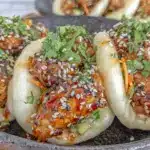
Korean Chicken Bao Recipe: Easy Valentine’s Day Dinner Idea
- Total Time: 40 minutes
- Yield: 8 bao buns (2-4 servings) 1x
Description
Soft, pillowy bao buns stuffed with sticky gochujang-glazed chicken and crunchy quick pickles. This hands-on, romantic recipe is perfect for date night and comes together in under an hour.
Ingredients
- 8 store-bought bao buns (or homemade bao dough: all-purpose flour, yeast, sugar, baking powder, milk, oil)
- 1 lb boneless skinless chicken thighs
- 2 tbsp gochujang paste
- 2 tbsp soy sauce
- 2 tbsp honey (or maple syrup)
- 1 tbsp rice vinegar
- 2 cloves garlic, minced
- 1-inch piece ginger, grated
- 1 tbsp cornstarch (optional, for thickening)
- 1 tsp toasted sesame oil
- 1/2 English cucumber, thinly sliced
- 1 small carrot, julienned
- 2 tbsp rice vinegar (for pickles)
- 1 tsp sugar (for pickles)
- 1/4 tsp salt (for pickles)
- Fresh cilantro, for garnish
- Scallions, sliced thin, for garnish
- Sesame seeds, toasted, for garnish
Instructions
- Combine cucumber and carrot in a bowl. Add rice vinegar, sugar, and salt. Toss to coat and let sit while you prep everything else.
- Slice chicken thighs into bite-sized pieces. In a bowl, mix gochujang, soy sauce, honey, rice vinegar, garlic, ginger, and sesame oil. Add chicken and toss until coated. Marinate for at least 10 minutes.
- Heat a large skillet over medium-high. Add a splash of oil, then the chicken and all the marinade. Cook for 6-8 minutes, stirring occasionally, until chicken is caramelized and cooked through. If sauce is thin, mix cornstarch with a tablespoon of water and stir in to thicken.
- Steam bao buns according to package instructions (usually 8-10 minutes over simmering water), using parchment squares to prevent sticking. If making homemade, shape dough into 8 balls, flatten, and steam for 12-15 minutes until puffed and springy.
- Carefully open each bun, fill with a generous scoop of Korean chicken, a handful of pickles, and a sprinkle of cilantro, scallions, and sesame seeds.
- Stack bao on a plate, drizzle with extra glaze if desired, and serve immediately.
Notes
Don’t overcrowd the steamer; use parchment squares to prevent sticking. Chicken thighs are juicier than breasts. Marinate chicken longer for deeper flavor. Taste your sauce before cooking—adjust gochujang and honey to your spice preference. Quick-pickling veggies adds crunch and brightness. Assemble bao just before serving for maximum fluffiness. Garnish generously for flavor and presentation.
- Prep Time: 15 minutes
- Cook Time: 25 minutes
- Category: Main Course
- Cuisine: Korean
Nutrition
- Serving Size: 1 bao bun
- Calories: 210
- Sugar: 6
- Sodium: 480
- Fat: 6
- Saturated Fat: 1.5
- Carbohydrates: 28
- Fiber: 2
- Protein: 11
Keywords: Korean chicken bao, bao buns, gochujang chicken, Valentine’s Day dinner, date night recipe, Asian fusion, quick pickles, steamed buns, easy dinner, chicken thighs