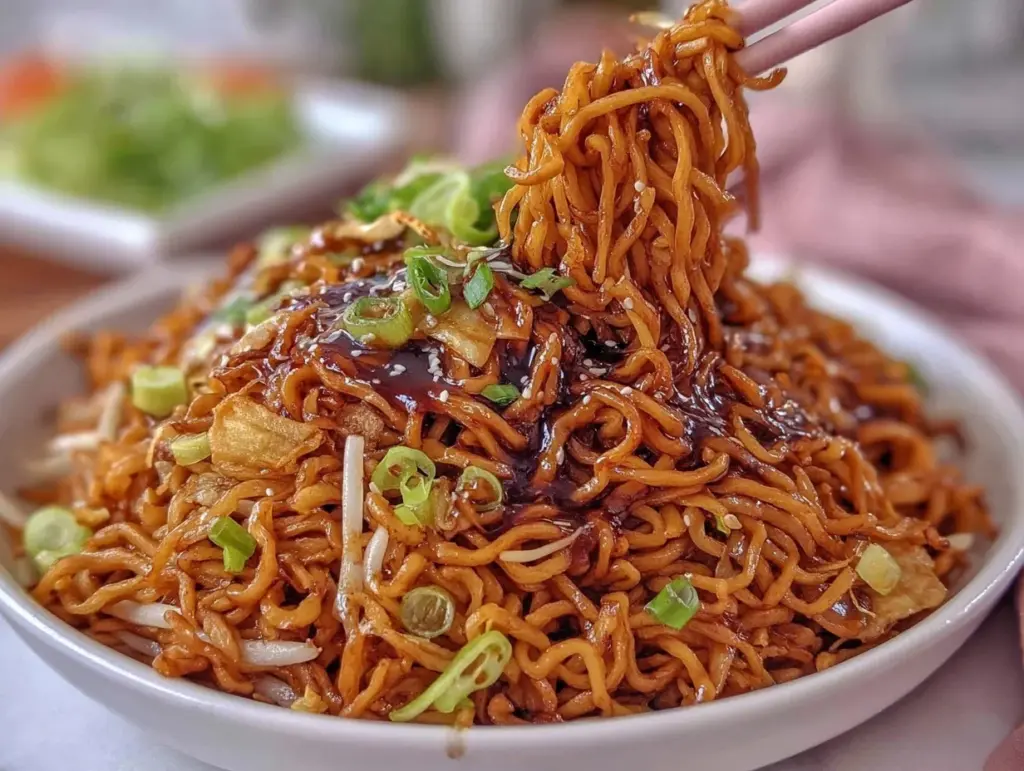
I’m not exaggerating when I say my quest for the perfect chow mein stir fry has spanned years, several scorched woks, and way too many soggy noodle fails. I wanted that takeout magic—the chewy, caramelized noodles, crisp-tender veggies, and that savory, glossy sauce you get at your favorite spot. You know the one. Well, after a wild ride of noodle experiments, sauce trials, and a few “this tastes like wet cardboard” moments, I finally landed on this recipe. And I genuinely get excited every time I make it.
It all started when my little brother (the pickiest eater on earth) declared he was “never eating vegetables again unless they tasted like the ones from Golden Panda.” Challenge accepted. I spent the next three weekends testing batch after batch of chow mein stir fry, tweaking the sauce, playing with noodle brands, and learning, sometimes the hard way, exactly how much heat my wok could handle. Spoiler: a lot, but not on my old electric stove. Somewhere around version 9, I found myself standing in the kitchen, grinning like a dork, eating straight from the wok. My brother? He ate two helpings and asked for leftovers. Victory.
This chow mein stir fry is now a staple around here. I’ve made it for weeknight dinners, birthday potlucks, and late-night cravings. It’s everything I want in a noodle dish: chewy noodles, bold sauce, loads of veggies, and that elusive “restaurant quality” I used to think you could only get from a professional kitchen. Seriously, if you’ve ever wondered whether you can make takeout-style noodles at home, this is the recipe that’ll convince you.
Why You’ll Love This Chow Mein Stir Fry Recipe
Okay, if you’re anything like me, you want to know why you should try yet another noodle recipe. Here’s why this one’s a game-changer:
- That authentic chewy noodle texture: I’m talking about the kind you can twirl on your fork or grab with chopsticks, no mush in sight. The trick? Par-cooked fresh chow mein noodles (and I’ll tell you where to find them below).
- Seriously fast—20 minutes start to finish: No joke, I’ve whipped this up with a hangry family waiting in the living room. The longest part is chopping the veggies, and you can do that ahead of time.
- Customize your veggies and protein: Got a random bell pepper and some leftover rotisserie chicken? Toss them in. This recipe is endlessly flexible and basically a fridge-cleanout hero.
- Sauce that clings to every noodle: This isn’t one of those watery, bland stir fries. The savory sauce hugs each strand and tastes just like your favorite takeout spot. (I’m not above licking the plate, just saying.)
- One pan, barely any mess: Everything comes together in a single wok or skillet. I actually look forward to clean-up for once.
I come back to this chow mein stir fry recipe whenever I want dinner on the table fast, or I need to impress someone with “homemade takeout.” It’s the dish that gets my family actually excited for veggies. And, on days when I don’t feel like cooking, I know I can have something restaurant-worthy in less time than it would take to get delivery. That’s a superpower.
What Ingredients You’ll Need for Chow Mein Stir Fry
Here’s what makes this chow mein stir fry so special: most of the ingredients are easy to find, but a couple of “secret weapons” take it from basic to restaurant-level. I’ll break it down so you know exactly what’s doing what—and what you can swap if you’re in a pinch.
- Chow mein noodles (12 oz / 340g): Fresh is best! Look in the refrigerated section near the tofu or wonton wrappers. I like the Twin Marquis brand. If you only have dried, cook them a minute less than the package says—they should be barely tender, not soft.
- Sesame oil (1 tablespoon / 15ml): Not the toasted kind (that’s for flavor at the end)—use plain or light sesame oil for high-heat cooking. This keeps the noodles from sticking and adds that classic aroma.
- Vegetable oil (2 tablespoons / 30ml): Any neutral oil works. I usually grab canola or sunflower. Don’t use olive oil—it’ll smoke at high heat and the flavor is wrong for this dish.
- Garlic (3 cloves, minced): You cannot skip this. Fresh is a must—no jarred stuff here, sorry.
- Ginger (1 tablespoon / 15g, minced): Adds warmth and depth. I keep a knob of ginger in the freezer and grate it right in.
- Shredded cabbage (2 cups / 150g): Green or napa, both work. I use pre-shredded when I’m lazy.
- Carrots (1 large, julienned or shredded): Adds crunch and a little sweetness. Sometimes I use matchstick carrots to save time.
- Bell pepper (1, any color, thinly sliced): For color and a little bite. Red or yellow are my favorites.
- Bean sprouts (1 cup / 85g): Totally optional, but they add that classic crunch. I add them at the end so they stay crisp.
- Green onions (2, sliced): Stir in at the last minute for a fresh, oniony kick.
- Protein (optional): Thinly sliced chicken, beef, shrimp, or tofu. About 1/2 pound (225g) is perfect for four servings. Marinate in a little soy sauce and cornstarch for extra tenderness.
For the Sauce:
- Soy sauce (3 tablespoons / 45ml): I prefer low-sodium so I can control the saltiness.
- Oyster sauce (2 tablespoons / 30ml): Not optional for that glossy, umami bomb flavor. Lee Kum Kee is my go-to.
- Dark soy sauce (1 tablespoon / 15ml): Adds deep color and a richer flavor. If you can’t find it, just use an extra tablespoon of regular soy sauce—it’ll still taste great.
- Sugar (1 teaspoon / 4g): Rounds out the salty flavors. I’ve used brown sugar, white sugar, and even honey in a pinch.
- Cornstarch (2 teaspoons / 7g, mixed with 2 tablespoons / 30ml water): This is the magic for thickening the sauce so it clings to every noodle.
- White pepper (1/4 teaspoon): Optional, but it gives that subtle heat you taste in restaurant stir fry. Black pepper works in a pinch.
Ingredient Tips & Substitutions:
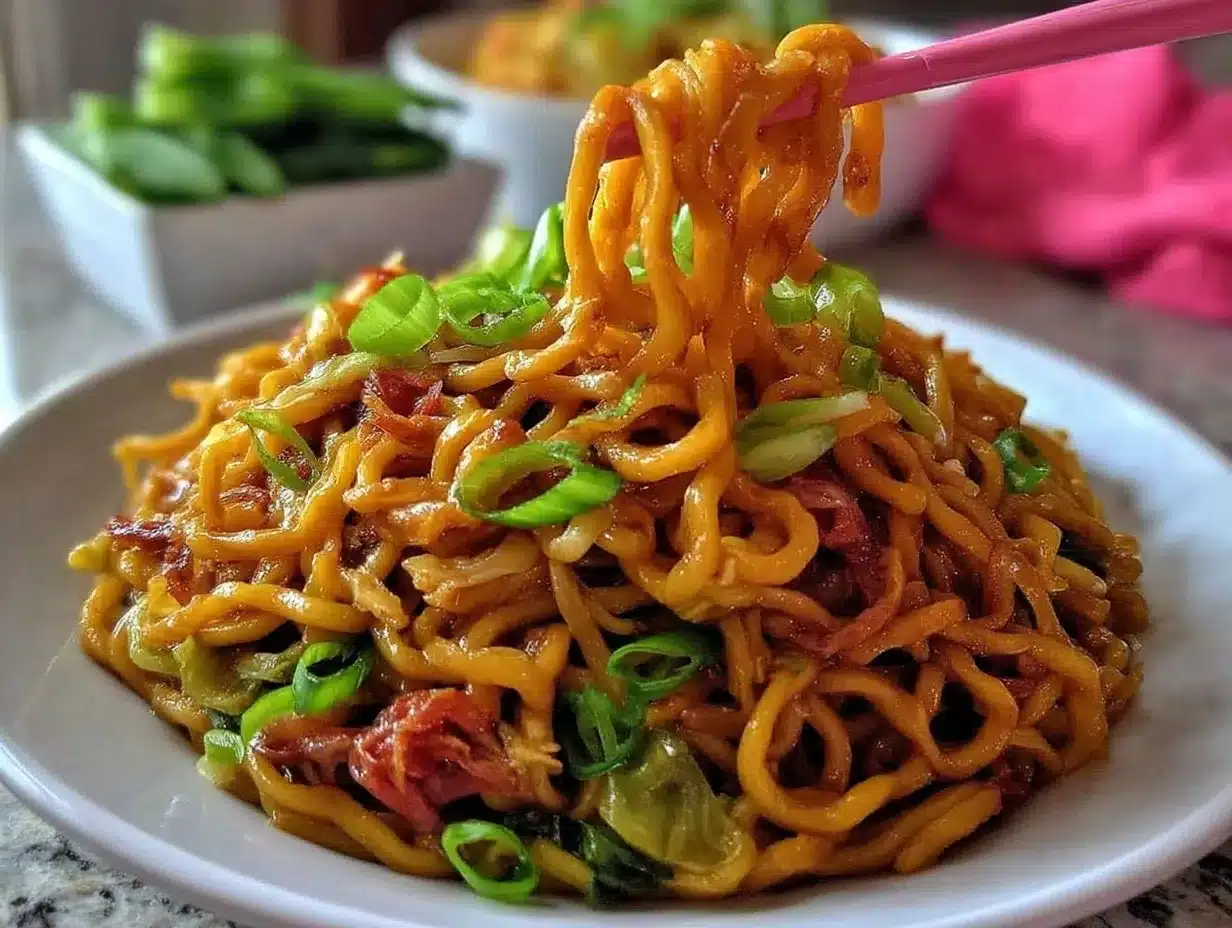
- If you’re gluten-free, use gluten-free tamari and a rice noodle like pad Thai noodles. Just don’t overcook them.
- No oyster sauce? Hoisin sauce works in a pinch, but the flavor will be sweeter.
- Want more veggies? Broccoli florets, snap peas, or baby corn are all fair game. I toss in whatever’s hiding in my crisper drawer.
- Can’t find chow mein noodles? Yakisoba or even spaghetti (yep, really) will work if that’s what you’ve got. Just cook it al dente and rinse well.
- Shopping shortcut: Most Asian stores sell stir fry veggie mixes—those are your weeknight best friend.
Basically, this chow mein stir fry recipe is super forgiving. The important thing is the technique and the sauce—get those right and you can mix and match to your heart’s content.
Equipment Needed for Chow Mein Stir Fry
You don’t need a restaurant kitchen for this chow mein stir fry—I promise. Here’s what I actually use (and what you can get away with):
- Wok or large nonstick skillet: If you have a carbon steel wok, now’s its time to shine. If not, use your biggest, widest skillet. The more surface area, the better for searing those noodles.
- Tongs or chopsticks: Tongs are my favorite for tossing noodles without breaking them. Chopsticks work if you’re feeling coordinated (I am not, but my best friend swears by them).
- Sharp knife and cutting board: For all that veggie chopping. Trust me, prep everything before you start cooking—stir fry moves fast.
- Measuring spoons/cups: I’ve tried to eyeball the sauce and always regret it. A quick measure keeps the flavors balanced.
- Colander or strainer: For draining and rinsing the noodles so they don’t stick together.
- Small bowl or cup: For mixing the cornstarch slurry. If you skip this and just dump it in, you’ll get lumps. Ask me how I know.
Bonus tool: If you have a salad spinner, it’s great for drying rinsed noodles or veggies quickly. Otherwise, a paper towel works. I’ve made this on a college hot plate with a battered skillet—so don’t let gear stop you.
How to Make Chow Mein Stir Fry: Step-by-Step
Alright, let’s make restaurant-style chow mein stir fry at home! I’ll walk you through exactly how I do it—quirks, shortcuts, and all.
-
Prep all your ingredients first (10 minutes)
Slice your veggies, measure your sauce ingredients, and set everything out. Trust me, once you start cooking, things move fast. Rinse the noodles under hot water to loosen them up (unless you’re using dried; those need to be cooked first and drained well). -
Mix the sauce (2 minutes)
In a small bowl, whisk together soy sauce, oyster sauce, dark soy sauce, sugar, and white pepper. In a separate cup, mix the cornstarch with water until smooth. Keep both close—the magic happens quickly. -
Cook your protein (if using) (3-5 minutes)
Heat 1 tablespoon oil in your wok over high heat. Add your sliced chicken, beef, shrimp, or tofu. Stir-fry until just cooked through and starting to brown. Remove from the wok and set aside. (If you skip this step and add everything at once, your protein can get tough. Learned this the hard way.) -
Stir-fry the veggies (3 minutes)
Add another tablespoon oil to the hot wok. Toss in garlic and ginger, stir for 10 seconds until fragrant. Add cabbage, carrots, and bell pepper. Stir-fry over high heat until just beginning to soften—about 2 minutes. Don’t overcook; you want crunch! -
Add the noodles (1 minute)
Push the veggies to the sides and add a bit more oil if the wok looks dry. Add the drained noodles. Let them sit for 30 seconds to get a little crispy on the bottom, then toss everything together. If the noodles clump, use tongs to gently separate them. -
Pour in the sauce and cornstarch slurry (2 minutes)
Give the sauce a quick stir (the sugar settles). Pour over the noodles and veggies, then drizzle in the cornstarch slurry. Toss everything together for 1-2 minutes. The sauce will thicken and coat the noodles—watch for that glossy sheen. If it looks dry, add a splash of water or chicken broth. -
Finish with bean sprouts and green onions (1 minute)
Toss in the bean sprouts and green onions. If you cooked protein earlier, add it back in now. Stir just to combine—don’t overcook or you’ll lose the crunch. -
Taste and serve (immediately!)
Grab a noodle and taste for seasoning. Want more salt? Add a dash of soy sauce. Need more heat? Sprinkle with chili flakes or sriracha. Serve piping hot, straight from the wok. You’ve earned it.
Time check: You’re looking at about 20 minutes from start to finish, and your kitchen will smell like your favorite noodle shop. The hardest part is not eating it straight from the pan!
My Best Tips & Techniques for Restaurant-Quality Chow Mein Stir Fry
Okay, here’s where all my stir fry mistakes become your secret weapon. I’ve learned these the hard way:
- High heat is your friend: Don’t be afraid to crank it up. Chow mein stir fry needs a hot pan so the noodles sear instead of steaming. If your stove runs cool, preheat the pan for a couple minutes before adding oil.
- Work in batches if you double the recipe: Overcrowding the pan = soggy noodles. I made this mistake for years. Stir fry wants space!
- Use fresh noodles if you can: They stay chewy and don’t fall apart. Dried noodles work, but rinse and drain really well so they don’t stick together.
- Sauce before cornstarch: Always add the liquid sauce first, then the cornstarch slurry. If you dump the cornstarch right onto hot noodles, you’ll get weird clumps.
- Don’t overcook the veggies: You want them just-tender, still a little crunchy. If in doubt, undercook—they’ll finish with the noodles.
- Toss, don’t stir: Use tongs or a spatula to gently lift and turn the noodles, not just push them around. This keeps them from breaking. (I used to end up with chow mein mush before I figured this out.)
- Use the right oil: Sesame oil for flavor, neutral oil for cooking. I once tried all sesame oil and the taste was overpowering—lesson learned.
- Finish with a drizzle of toasted sesame oil: Just a few drops right before serving. It takes the flavor over the top, and smells incredible.
Last tip? Taste and adjust. Every brand of soy/oyster sauce is a little different. Trust your taste buds—you know what you like!
Ways to Mix Up Your Chow Mein Stir Fry
Once you’ve mastered the basic chow mein stir fry, the real fun starts. This recipe is basically a blank canvas for whatever you’re craving (or whatever’s about to wilt in your fridge).
- Spicy Sichuan Style: Add 1 tablespoon chili garlic sauce or a dash of Sichuan peppercorns to the sauce. I do this when I want extra heat and numbing spice.
- Vegetarian Power-Up: Skip the meat and add cubed tofu or tempeh. Double the veggies—bok choy, snap peas, mushrooms, you name it. My friend’s daughter is vegetarian and claims this is her favorite version.
- Chicken Chow Mein: Marinate sliced chicken breast in a little soy sauce and cornstarch, then cook first and set aside. Adds protein without making the noodles heavy.
- Seafood Chow Mein: Quick-cook peeled shrimp or scallops, then toss them in at the end. It’s a hit for Friday dinners when I feel fancy but only have 20 minutes.
- Low-Carb Version: Swap out half the noodles for spiralized zucchini or cabbage. The sauce is so good, you barely notice the difference.
- Gluten-Free Swap: Use gluten-free tamari and rice noodles. Just don’t overcook the noodles—they can go mushy fast.
- Peanutty Chow Mein: Stir in 2 tablespoons of peanut butter to the sauce and top with chopped peanuts and cilantro. My husband asks for this variation every time.
- Extra Veggie Power: Toss in baby corn, water chestnuts, or bamboo shoots for extra crunch.
I’ve even made a “fridge cleanout” version with leftover steak, broccoli, and snow peas. No rules—just make sure you stick to the technique and balance the sauce. Chow mein stir fry is all about having fun and making it yours.
Serving Ideas & Storage for Chow Mein Stir Fry
How to Serve Chow Mein Stir Fry
- Right out of the wok, steaming hot! I love piling it up in a big bowl, twirling the noodles, and topping with extra green onions and sesame seeds.
- For a party: Serve alongside potstickers, egg rolls, and a big platter of sliced oranges for a full-on takeout feast. This chow mein stir fry recipe is always the first thing gone at my potlucks.
- With extras: Add a fried egg on top for a “noodle breakfast.” Trust me, it’s a thing and it’s glorious.
- Lunchbox hero: Portion into containers and reheat for lunch at work or school. The flavor gets even better overnight.
Storage Tips
- Fridge: Store leftovers in an airtight container for up to 4 days. The noodles will soak up sauce but are still delicious reheated.
- Freezer: You can freeze chow mein stir fry, but the texture of the noodles changes a bit. If you do, let it cool completely, portion it into freezer bags, and freeze for up to 2 months. Reheat in a pan with a splash of water or broth.
- Reheating: Microwave works (1-2 minutes, covered), but I prefer tossing leftovers in a hot skillet with a little oil for crispy edges. Add a splash of water if it looks dry.
Pro tip: If your noodles start to stick together in the fridge, just sprinkle with a few drops of water before reheating. Revives them every time. And if they’re getting a bit stale, chop them up and use in a stir fry fried rice situation—so good.
Nutritional Info & Health Benefits
I’m not a nutritionist, but here’s what I can tell you about this chow mein stir fry (per generous serving):
| Calories | Protein | Carbs | Fat | Fiber |
|---|---|---|---|---|
| ~320 | 12g | 48g | 8g | 4g |
- Veggie-packed: You’re getting a solid serving of fiber, vitamins, and antioxidants—especially if you load up on extra vegetables.
- Lower sodium than takeout: Using low-sodium soy sauce and skipping MSG means you control the salt.
- Protein boost: Add lean chicken, tofu, or shrimp for a balanced, filling meal.
- Customizable for dietary needs: Can be made gluten-free, vegetarian, or even low-carb (see above!).
Real talk? Chow mein stir fry is still noodles, so if you’re watching carbs, portion accordingly. But compared to greasy takeout, you know exactly what’s in here—and it’s real food that’ll keep you going.
Final Thoughts
So, that’s my amazing chow mein stir fry recipe—the one I obsessed over until it finally tasted “just like the restaurant” (and, dare I say, even better). It’s become my go-to for nights when I want something fast, comforting, and packed with flavor, but don’t want to spend a fortune on delivery.
I hope you give this a try, customize it, and make it your own. Every time I serve it, someone asks for the recipe—now you’ve got it, noodle secrets and all. Don’t be afraid to play around: swap the veggies, try new sauces, add your favorite protein. That’s how you find your own signature version.
If you make this chow mein stir fry, let me know how it turns out! Drop a comment below or tag me on Instagram @yourhandle—I genuinely love seeing your kitchen wins. And if you have questions or run into trouble, I’m here to help. Happy stir frying! May your noodles always be chewy and your veggies always perfectly crisp.
FAQs About Chow Mein Stir Fry
Q: Can I use spaghetti instead of chow mein noodles?
A: Yes, in a pinch! Cook spaghetti until just al dente, rinse, and drain well. It won’t taste exactly the same, but the sauce and stir fry technique still make it really good. I’ve done this on those “nothing in the pantry” nights.
Q: Why are my noodles soggy or clumping?
A: Usually, it’s from overcooking or not rinsing well. For fresh noodles, a quick rinse in hot water is enough. For dried, cook a minute less than package directions, rinse in cold water, and toss with a little oil before stir frying.
Q: What’s the difference between chow mein and lo mein?
A: Chow mein is all about stir-frying the noodles so they’re chewy and a little crispy in spots. Lo mein noodles are softer and tossed in sauce after cooking—less wok action, more saucy. I’m team chow mein for texture, always.
Q: Can I make chow mein stir fry ahead of time?
A: Yes! Prep all the veggies and sauce up to 2 days in advance, and store in the fridge. You can even cook the noodles and toss with a little oil to keep them separate. Assemble and stir fry everything right before serving for best results.
Q: Is there a way to make this less salty?
A: Absolutely. Use low-sodium soy sauce, taste as you go, and add a splash of water or chicken broth if needed. The oyster sauce adds a lot of flavor, so you can even reduce the soy if you want. I always taste at the end and adjust—everyone’s salt preference is a little different.
Pin This Recipe!
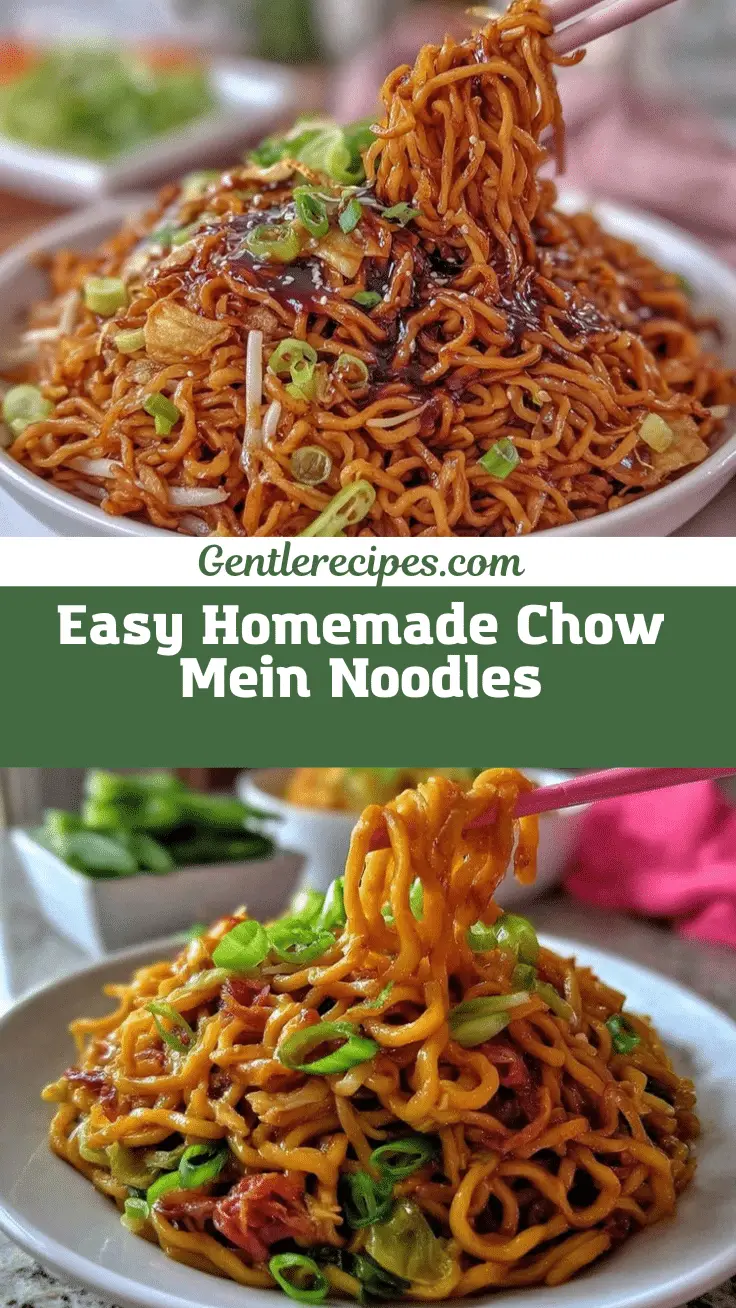
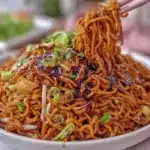
Chow Mein Stir Fry – Easy Homemade Noodles Like Restaurant Quality
- Total Time: 20 minutes
- Yield: 4 servings 1x
Description
This chow mein stir fry delivers chewy, caramelized noodles, crisp-tender veggies, and a savory, glossy sauce just like your favorite takeout spot. Quick, customizable, and made in one pan, it’s perfect for weeknight dinners or potlucks.
Ingredients
- 12 oz fresh chow mein noodles (or dried, cooked 1 minute less than package instructions)
- 1 tablespoon sesame oil (plain or light, not toasted)
- 2 tablespoons vegetable oil (canola or sunflower)
- 3 cloves garlic, minced
- 1 tablespoon fresh ginger, minced
- 2 cups shredded cabbage (green or napa)
- 1 large carrot, julienned or shredded
- 1 bell pepper, thinly sliced (any color)
- 1 cup bean sprouts (optional)
- 2 green onions, sliced
- 1/2 pound protein (optional: thinly sliced chicken, beef, shrimp, or tofu, marinated in soy sauce and cornstarch)
- 3 tablespoons low-sodium soy sauce
- 2 tablespoons oyster sauce
- 1 tablespoon dark soy sauce (or extra regular soy sauce)
- 1 teaspoon sugar
- 2 teaspoons cornstarch mixed with 2 tablespoons water
- 1/4 teaspoon white pepper (optional)
Instructions
- Prep all your ingredients: Slice veggies, measure sauce ingredients, and set everything out. Rinse fresh noodles under hot water to loosen, or cook dried noodles until barely tender, then drain well.
- Mix the sauce: In a small bowl, whisk together soy sauce, oyster sauce, dark soy sauce, sugar, and white pepper. In a separate cup, mix cornstarch with water until smooth.
- Cook your protein (if using): Heat 1 tablespoon oil in a wok over high heat. Add sliced protein and stir-fry until just cooked through and starting to brown. Remove from wok and set aside.
- Stir-fry the veggies: Add another tablespoon oil to the hot wok. Add garlic and ginger, stir for 10 seconds until fragrant. Add cabbage, carrots, and bell pepper. Stir-fry over high heat for about 2 minutes until just beginning to soften.
- Add the noodles: Push veggies to the sides, add a bit more oil if needed, and add drained noodles. Let sit for 30 seconds to crisp, then toss everything together. Use tongs to gently separate noodles if clumped.
- Pour in the sauce and cornstarch slurry: Stir the sauce, pour over noodles and veggies, then drizzle in the cornstarch slurry. Toss for 1-2 minutes until sauce thickens and coats noodles. Add a splash of water or broth if dry.
- Finish with bean sprouts and green onions: Toss in bean sprouts and green onions. Add cooked protein back in if using. Stir just to combine.
- Taste and serve immediately: Adjust seasoning with more soy sauce or chili flakes if desired. Serve hot, straight from the wok.
Notes
For best results, use fresh chow mein noodles and high heat. Prep all ingredients before cooking, as stir fry moves quickly. Customize with your favorite veggies or protein. For gluten-free, use tamari and rice noodles. Finish with a drizzle of toasted sesame oil for extra flavor. Leftovers keep well in the fridge for up to 4 days.
- Prep Time: 10 minutes
- Cook Time: 10 minutes
- Category: Main Course
- Cuisine: Chinese
Nutrition
- Serving Size: 1/4 of recipe (about
- Calories: 320
- Sugar: 5
- Sodium: 800
- Fat: 8
- Saturated Fat: 1
- Carbohydrates: 48
- Fiber: 4
- Protein: 12
Keywords: chow mein, stir fry, noodles, Chinese, takeout, easy, homemade, quick, weeknight, vegetables, one pan, restaurant style