I still remember the first time I made scallop and shrimp linguine for Valentine’s Day. I had this wild idea to skip the crowded restaurants and cook something fancy at home—except “fancy” in my kitchen usually means I’m just hoping not to set off the smoke alarm. But that night? The kitchen smelled like garlic and white wine, and the sizzle of scallops in the pan was basically romance in audio form.
It wasn’t perfect (I overcooked the pasta by a minute, oops), but honestly, it was one of the best dinners we’ve ever had. There’s something about twirling linguine coated in a garlicky sauce, with sweet shrimp and scallops tucked in, that feels way more special than anything you’d get at a restaurant. Plus, you get to wear pajamas if you want. That’s my kind of date night.
So why scallop and shrimp linguine for Valentine’s Day? Well, for starters, it’s restaurant-level impressive, but you can actually pull it off in under 40 minutes. I’ve tested and tweaked this recipe so many times that I promise it’s doable—no chef’s hat required. Whether you’re cooking for someone special, your best friends, or just yourself (which totally counts), this linguine recipe is my go-to for when I want dinner to feel like a celebration.
Why You’ll Love This Scallop and Shrimp Linguine Recipe
Okay, real talk: if you want a dinner that feels both luxurious and low-stress, scallop and shrimp linguine is the answer. Here’s why I keep coming back to this for date night, Valentine’s Day, or just when I’m craving something “fancy-ish” at home:
- Ready in 35 minutes flat: No marathon prep sessions. I’ve thrown this together after work and still had time to set the table with candles (or, you know, tea lights from the dollar store).
- Restaurant vibes—without the price tag: Scallops and shrimp feel special, but buying them for two is way less expensive than eating out. Plus, you get leftovers for lunch.
- Garlicky white wine sauce: The combination of sautéed garlic, shallots, and a splash of wine is honestly addictive. I always have to remind myself not to eat all the sauce with bread before the pasta’s ready.
- One pan, minimal cleanup: You cook the seafood in the same skillet you use for the sauce, so you’re not stuck with a pile of dishes. I’m allergic to dishwashing, so this is key.
- Customizable for picky eaters: Don’t love scallops? Double the shrimp. Want spicy? Add red pepper flakes. This recipe is super forgiving.
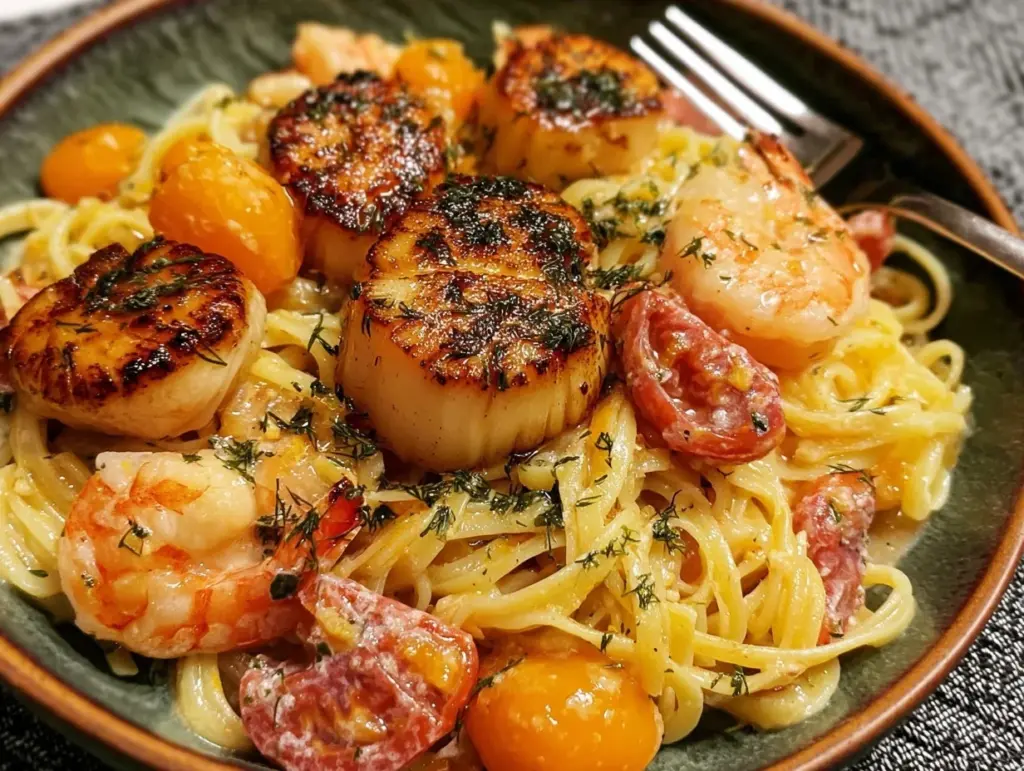
- Looks gorgeous on the plate: I’m no food stylist, but these plump scallops and pink shrimp scattered over linguine are always Instagram-worthy (or, let’s be honest, perfect for Pinterest).
This scallop and shrimp linguine is my secret weapon for impressing someone, even if that someone is just me. It’s comfort food with a little tuxedo on. Every time I make it, I’m reminded that home-cooked “fancy” food just tastes better—probably because you can lick the plate and nobody cares.
What Ingredients You’ll Need for Scallop and Shrimp Linguine
Here’s what I love about this ingredient list: it’s simple, but each thing really matters. I’m picky about a couple of these, so I’ll give you all my hard-earned opinions. If you’ve got a seafood counter nearby, you’re golden—but frozen works, too!
- Linguine (12 oz / 340g): Classic, but you can swap for spaghetti or fettuccine if that’s what’s in your pantry. I use De Cecco or Barilla most of the time.
- Sea scallops (8 oz / 225g): Go for “dry” scallops, not “wet.” Dry scallops sear way better. You want them about the size of a golf ball (no baby bay scallops here).
- Raw shrimp (8 oz / 225g): Peeled and deveined. I use medium (about 26-30 count per pound), but jumbo is great if you’re feeling fancy. Tail on or off—up to you.
- Olive oil (3 tbsp / 45ml): I reach for extra virgin, but any decent brand works. Don’t use flavored oils—they mess with the taste.
- Butter (2 tbsp / 28g): Salted or unsalted, but I prefer unsalted so I can control the salt. Adds richness to the sauce.
- Garlic (4 cloves, minced): I use fresh, never jarred. It’s worth the extra 2 minutes of chopping.
- Shallot (1 medium, minced): Adds a mild onion flavor. If you don’t have shallot, use ¼ cup finely chopped onion.
- Dry white wine (½ cup / 120ml): Pinot Grigio or Sauvignon Blanc. Don’t use “cooking wine”—it’s salty and weird. Save the rest of the bottle for drinking with dinner.
- Lemon (1, zested and juiced): Brightens up the whole dish. I use both the zest and the juice for maximum flavor.
- Fresh parsley (¼ cup, chopped): For color and freshness. Dried is fine in a pinch, but fresh is best.
- Red pepper flakes (½ tsp): Optional, but I love a little heat. Add more or less depending on your spice tolerance.
- Salt and black pepper: To taste. I use kosher salt and freshly cracked pepper.
- Grated Parmesan cheese (½ cup / 50g): Optional, but I always sprinkle some on at the end. It’s controversial in seafood pasta, but I say rules are made to be broken.
Quick note: If you can’t find dry scallops, just pat the wet ones dry with paper towels—lots of them. And if you only have frozen shrimp and scallops, thaw them in cold water and dry very well. Water is the enemy of a good sear.
Ingredient swaps I’ve tried: subbing linguine with gluten-free pasta (works great!), using lime instead of lemon (tastes a little tropical, but good), and skipping the shallot in a pinch. If you want to add veggies, baby spinach wilts into the sauce beautifully.
Also, don’t forget to have good bread on hand. The sauce is too good not to mop up every bit.
Equipment Needed for Scallop and Shrimp Linguine
You don’t need a chef’s kitchen for this—promise. I’ve made scallop and shrimp linguine with just the basics:
- Large skillet (12-inch): Mine’s nonstick, but stainless steel works. You want lots of room for searing the seafood.
- Large pot: For boiling the linguine. Any pasta pot will do.
- Tongs: For flipping scallops and tossing pasta in the sauce. I use the cheap metal ones from the grocery store.
- Colander: For draining pasta. If you don’t have one, just use a big slotted spoon.
- Microplane or zester: For that lemon zest. If you don’t have one, a box grater works (just watch your knuckles).
- Measuring cups and spoons: I actually measure the wine (otherwise, things get boozy fast).
- Sharp knife: For the garlic and shallot. I use my favorite chef’s knife—had it for years.
No fancy stuff required. If you want to get cute, serve the pasta in wide bowls so the seafood sits nicely on top. But I’ve also just scooped it onto plates and called it good.
The only “fancy” thing I sometimes use is a splatter screen for the scallops. They spit a bit, and I’d rather not wear dinner on my shirt.
How to Make Scallop and Shrimp Linguine: Step-by-Step
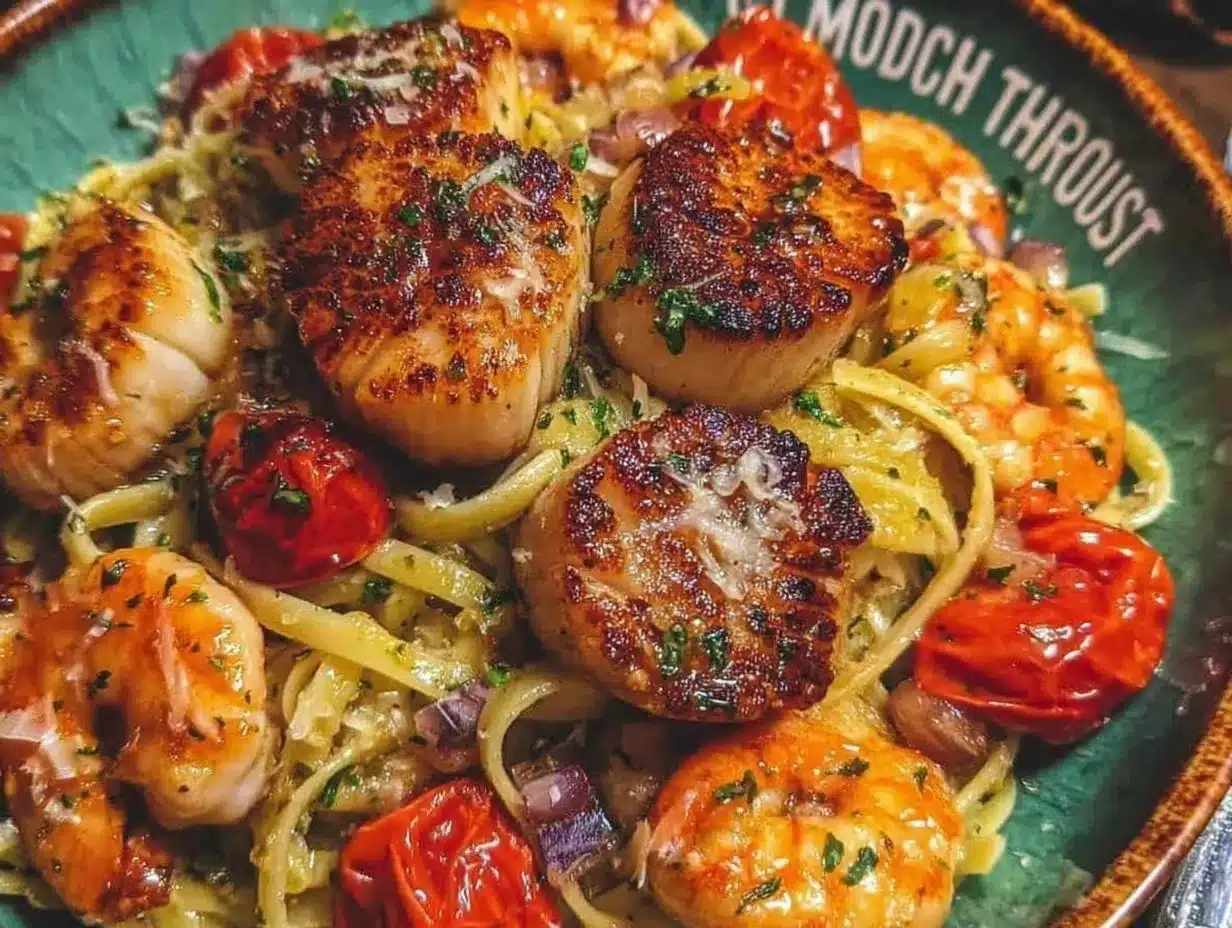
Alright, let’s make this scallop and shrimp linguine! I’ll walk you through it exactly how I do—mistakes, shortcuts, and all. Here’s my tried-and-true method.
- Prep the seafood (5 minutes)
Pat the scallops and shrimp dry with paper towels. If scallops have the little side muscle attached, pull it off (it’s chewy). Season both with salt and pepper. This is the secret to a good sear—dry seafood and seasoning ahead of time. - Cook the pasta (8-10 minutes)
Bring a large pot of salted water to a boil. Add linguine and cook until just al dente (about 8-9 minutes for most brands). Reserve 1 cup (240ml) pasta water, then drain. Don’t rinse the pasta—those starches help the sauce stick. - Sear the scallops (3-4 minutes)
Heat 1½ tbsp (22ml) olive oil in your large skillet over medium-high. When the oil is shimmering, add scallops in a single layer. Don’t crowd the pan. Sear for 1½–2 minutes per side, until golden brown and just opaque inside. Remove to a plate and cover lightly with foil. - Sauté the shrimp (2-3 minutes)
Add another 1½ tbsp (22ml) olive oil to the same skillet. Toss in shrimp and cook for about 1 minute per side, until pink and just cooked through. Remove and set with the scallops. (Don’t overcook—rubbery shrimp are sad shrimp.) - Make the sauce (5 minutes)
Lower heat to medium. Add butter, minced garlic, and shallot. Sauté until fragrant and soft, about 2 minutes. Pour in the wine, scraping up any browned bits. Let it bubble for 2 minutes to reduce slightly. Add lemon zest, juice, and red pepper flakes. Season with a pinch of salt and pepper. - Toss pasta and finish (3 minutes)
Add drained linguine right into the sauce. Toss with tongs until coated, adding a splash of reserved pasta water to loosen if needed. Stir in half the chopped parsley. Taste for seasoning—add more salt, pepper, or lemon if you like. - Serve and garnish (2 minutes)
Plate the pasta, then top with scallops and shrimp. Sprinkle with remaining parsley and parmesan if using. I like to finish with an extra drizzle of olive oil and a squeeze of lemon.
Quick troubleshooting: If the sauce looks thin, add a bit more pasta water and simmer for a minute. If it’s too thick, a splash more wine fixes it. And don’t stress if the scallops aren’t perfectly golden—taste beats looks every time.
At this point, your kitchen should smell like a garlic-and-wine dream. You’re 35 minutes in and ready for a Valentine’s feast.
My Best Tips & Techniques for Scallop and Shrimp Linguine
Okay, here’s where I spill all my secrets from making this recipe way too many times (including some mistakes I’ll never repeat):
- Dry your seafood like it’s your job: Seriously, moisture is the enemy of a good sear. I use at least three paper towels per batch. The dryer, the better.
- Don’t move the scallops: Once you put them in the pan, let them sit until they release easily. If they stick, they’re not ready to flip.
- Pasta water = magic sauce fixer: Keep some aside when you drain the pasta. It helps thicken and bind the sauce, or loosen it if it’s clumpy.
- Cook seafood just until done: Overcooking is the main way this dish goes wrong. Scallops should be just opaque; shrimp should be pink with no gray left.
- Fresh lemon juice beats bottled: I tried bottled once (laziness, I admit)—it tasted flat. Fresh is a game-changer.
- Use a skillet, not a saucepan: You want a wide surface for searing. Crowded seafood steams instead of browns.
- Don’t rinse your pasta: The starch helps the sauce cling. Learned this the hard way after rinsing once—ended up with slippery noodles and sad sauce.
- Prep everything before you start: Mise en place isn’t just chef talk. It makes the process smoother and stops you from burning garlic while frantically peeling shrimp.
Bonus tip: If you have leftover wine, pour yourself a glass while cooking. It makes the whole process feel more festive.
And don’t panic if you’re nervous about cooking seafood—once you do it a couple times, you’ll wonder why you ever worried. The sizzle is your friend.
Ways to Mix Up Your Scallop and Shrimp Linguine
Once you’ve nailed the classic version, here’s where you can get creative. I’ve tried all of these—some on purpose, some by accident—and they all work:
- Spicy Cajun Version: Add 1 tsp Cajun seasoning and an extra pinch of red pepper flakes to the garlic-butter sauce. It’s got a little kick and pairs perfectly with the seafood.
- Tomato White Wine Sauce: Toss in 1 cup (240g) cherry tomatoes, halved, to the skillet with the shallots. They burst and add sweet acidity. My partner requests this version every time.
- Veggie Boost: Stir in 2 cups (60g) baby spinach or arugula just before serving. They wilt into the sauce and add extra color.
- Gluten-Free Swap: Use your favorite gluten-free linguine (I like Barilla GF). Everything else stays the same.
- Herb Lovers: Add fresh basil and chives alongside the parsley. Super fresh and fragrant.
- Lemony Cream Sauce: Stir in ¼ cup (60ml) heavy cream with the wine for a richer, silkier sauce. Decadent but not heavy.
- Mediterranean Twist: Add chopped sun-dried tomatoes and a few olives for a briny, punchy flavor.
Dietary swaps I’ve tested: dairy-free butter works fine, and you can skip the cheese entirely. For pescatarians, this is already a win. If you want more protein, double the shrimp or add some crab meat!
Flavor add-ins: a splash of vermouth for a deeper sauce, or a dash of smoked paprika for warmth. Try what excites you—this recipe is flexible.
Serving Ideas & Storage for Scallop and Shrimp Linguine
How to Serve:
- Classic Date Night: Twirl the linguine into nests and lay scallops and shrimp on top. Sprinkle with parsley and parmesan. Light a candle and pretend you’re at a bistro in Rome.
- Family Style: Pile everything into a big bowl and let everyone dig in. Pass extra lemon wedges and bread for sauce mopping.
- Brunch Twist: Serve alongside a crisp green salad and prosecco. Makes for a killer late-morning meal.
- Pinterest-perfect: Garnish with a few edible flowers (I use pansies when I can find them) and lemon slices for color.
I always slice some crusty bread for soaking up the sauce. If you’re feeling extra, rub the bread with garlic and toast it lightly.
Storage Instructions:
- Refrigerator: Store leftovers in an airtight container for up to 2 days. Seafood is best eaten fresh, but it reheats well.
- Freezer: I don’t recommend freezing the cooked seafood (texture gets weird), but you can freeze just the pasta and sauce for up to 1 month. Thaw overnight in the fridge and add freshly cooked seafood.
- Reheating: Gently warm in a skillet over low heat with a splash of water or wine. Microwave works in a pinch (1–2 minutes, covered), but watch out for rubbery shrimp.
Pro tip: If leftovers get a little dry, toss with a dab of butter and a squeeze of lemon before serving. Instant revival!
If you somehow end up with leftover scallops or shrimp (rare in my house), toss them into a salad or make a seafood omelet the next morning.
Nutritional Info & Health Benefits of Scallop and Shrimp Linguine
I’m not a nutritionist, but here’s why I feel good about eating this scallop and shrimp linguine—even on a date night:
| Per Serving | Amount |
|---|---|
| Calories | ~420 |
| Protein | 28g |
| Carbs | 46g |
| Fat | 12g |
| Fiber | 3g |
- Lean protein from scallops and shrimp keeps you full and energized (way better than a carb-only pasta dinner).
- Low in saturated fat compared to cream-heavy sauces.
- Good source of selenium, vitamin B12, and omega-3s (thanks, seafood!).
- Lower in calories than most creamy pasta dishes, so you can enjoy dessert, too.
Dietary notes: Contains gluten (unless you use GF pasta), dairy (from butter/cheese), and shellfish. Not suitable for vegetarians, but pescatarians will be very happy.
Honestly, I love knowing that this isn’t just delicious—it’s actually pretty balanced. You get protein, a hit of veggies (if you add spinach), and it doesn’t leave you in a food coma. Win-win.
Final Thoughts: Make This Scallop and Shrimp Linguine Your Valentine’s Tradition
So that’s my scallop and shrimp linguine recipe! I know I’ve gushed about it, but when you find a dish that’s both impressive and totally doable, you want to share it with everyone.
This has become my go-to for Valentine’s Day, anniversaries, or just when I want dinner to feel like a treat. It never lets me down—especially when I need a little sparkle in my week.
Make it your own: swap pasta shapes, add veggies, play with spices. That’s how the best recipes evolve. If you make this, I’d genuinely love to hear how it turns out! Drop a comment below and let me know your twists and tweaks.
And if you snap a picture, tag me on Instagram @yourhandle—I might actually do a happy dance in my kitchen. Got questions? Ask away in the comments. I check them every day and love helping troubleshoot.
Happy Valentine’s cooking! Hope your kitchen smells as good as mine does right now.
FAQs About Scallop and Shrimp Linguine
Q: Can I use frozen scallops and shrimp?
A: Totally! I do this all the time. Just thaw them in cold water and dry super well before cooking. Wet seafood won’t sear—they’ll steam instead. Drying is key.
Q: What’s the best wine to use for the sauce?
A: I like Pinot Grigio or Sauvignon Blanc—something dry and crisp. Don’t use “cooking wine.” If you wouldn’t drink it, don’t cook with it. And yes, you can skip the wine and use chicken broth if you prefer.
Q: How do I know when the scallops are done?
A: Scallops are done when they’re opaque and feel slightly firm to the touch. They should have a golden crust on one side. If you slice one open, it should be just barely translucent in the center (they keep cooking after you remove them from the pan).
Q: Can I make this ahead for a party?
A: Sort of! You can prep the pasta and sauce ahead, but cook the seafood right before serving—it’s best fresh. If you’re desperate, gently reheat everything together with a splash of wine or water, but expect scallops and shrimp to be a little firmer.
Q: What’s a good side dish for this recipe?
A: I’m a sucker for garlic bread and a simple green salad (arugula + lemon vinaigrette). Roasted asparagus or steamed broccoli also work great. And don’t forget a glass of the same wine you used in the sauce!
Pin This Recipe!
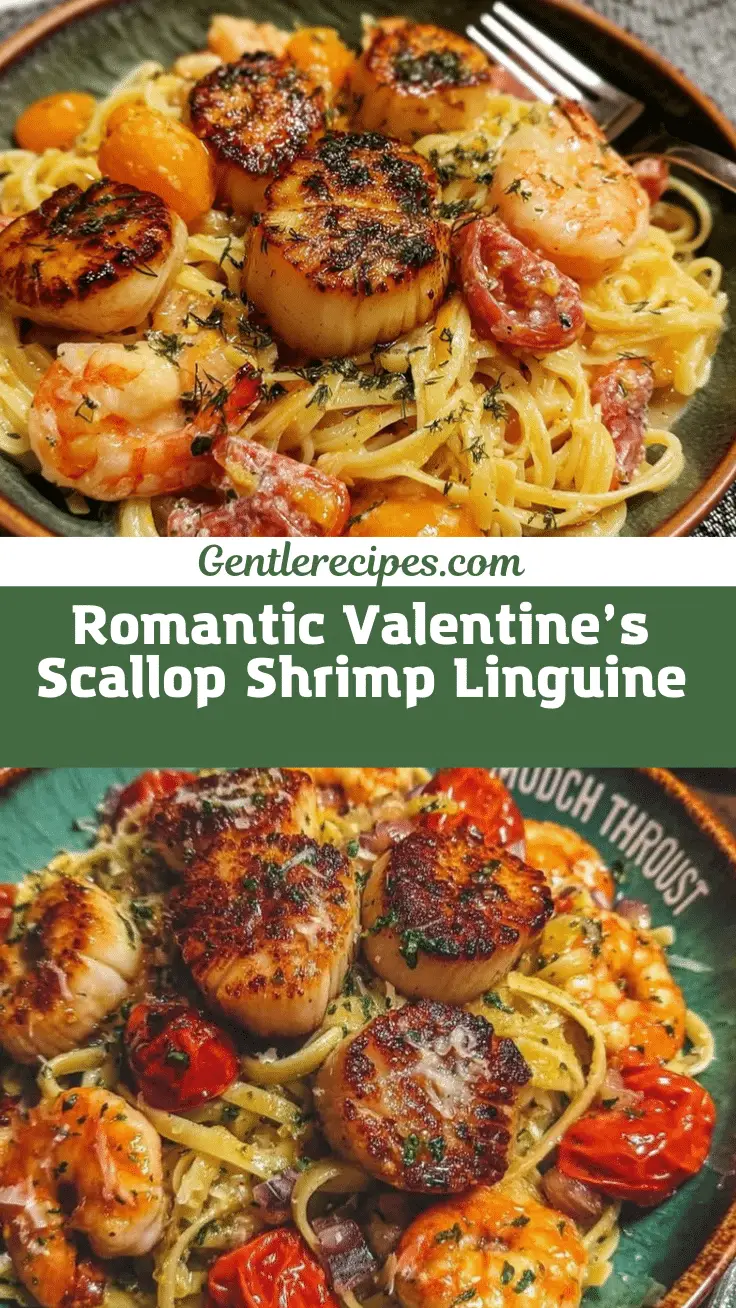
Scallop and Shrimp Linguine
- Total Time: 35 minutes
- Yield: 4 servings 1x
Description
This restaurant-worthy scallop and shrimp linguine features tender seafood tossed with linguine in a garlicky white wine sauce. Ready in under 40 minutes, it’s perfect for date night or any special occasion at home.
Ingredients
- 12 oz linguine (about 3/4 of a standard box)
- 8 oz sea scallops (dry preferred)
- 8 oz raw shrimp, peeled and deveined
- 3 tbsp olive oil, divided
- 2 tbsp unsalted butter
- 4 cloves garlic, minced
- 1 medium shallot, minced (or 1/4 cup finely chopped onion)
- 1/2 cup dry white wine (Pinot Grigio or Sauvignon Blanc)
- 1 lemon, zested and juiced
- 1/4 cup fresh parsley, chopped
- 1/2 tsp red pepper flakes (optional)
- Salt and black pepper, to taste
- 1/2 cup grated Parmesan cheese (optional)
Instructions
- Pat scallops and shrimp dry with paper towels. Remove side muscle from scallops if present. Season both with salt and pepper.
- Bring a large pot of salted water to a boil. Add linguine and cook until just al dente (8-9 minutes). Reserve 1 cup pasta water, then drain. Do not rinse pasta.
- Heat 1 1/2 tbsp olive oil in a large skillet over medium-high heat. Add scallops in a single layer and sear for 1 1/2–2 minutes per side until golden and just opaque. Remove to a plate and cover lightly.
- Add remaining 1 1/2 tbsp olive oil to the skillet. Add shrimp and cook about 1 minute per side until pink and just cooked through. Remove and set with scallops.
- Lower heat to medium. Add butter, garlic, and shallot. Sauté until fragrant and soft, about 2 minutes. Pour in wine, scraping up browned bits. Let bubble for 2 minutes to reduce slightly. Add lemon zest, juice, and red pepper flakes. Season with salt and pepper.
- Add drained linguine to the sauce. Toss with tongs until coated, adding reserved pasta water as needed to loosen. Stir in half the parsley. Taste and adjust seasoning.
- Plate pasta and top with scallops and shrimp. Sprinkle with remaining parsley and Parmesan if using. Finish with a drizzle of olive oil and a squeeze of lemon.
Notes
Dry seafood thoroughly for best sear. Reserve pasta water to adjust sauce consistency. Use fresh lemon juice for optimal flavor. Parmesan is optional but delicious. For gluten-free, substitute with GF pasta. Add baby spinach or cherry tomatoes for extra veggies. Seafood is best cooked fresh; leftovers can be gently reheated.
- Prep Time: 10 minutes
- Cook Time: 25 minutes
- Category: Main Course
- Cuisine: Italian
Nutrition
- Serving Size: About 1/4 of the rec
- Calories: 420
- Sugar: 3
- Sodium: 650
- Fat: 12
- Saturated Fat: 4
- Carbohydrates: 46
- Fiber: 3
- Protein: 28
Keywords: scallop linguine, shrimp pasta, seafood pasta, Valentine’s dinner, easy seafood recipe, date night, Italian pasta, white wine sauce, quick dinner, special occasion