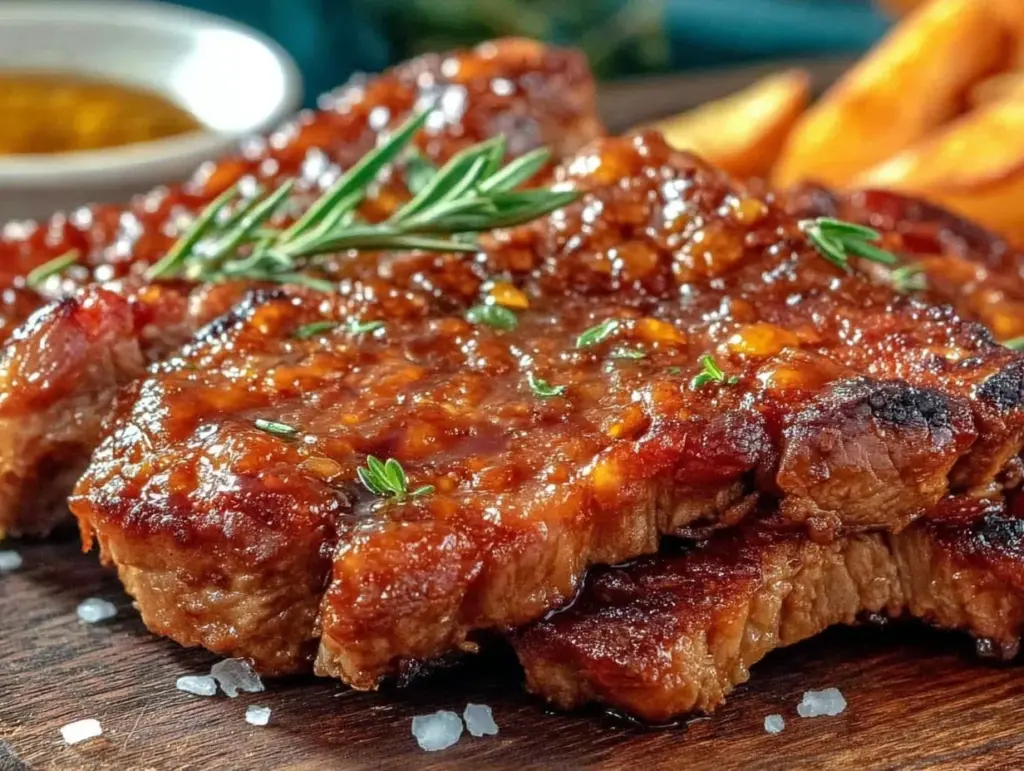
One chilly autumn evening, I found myself craving something hearty and soulful—something that felt like a warm hug on a plate. My mind drifted back to a little Bavarian inn I visited years ago during a trip through southern Germany. The aroma of slow-braised pork wafting through the air was unforgettable, and the tender meat practically melted off the bone, swimming in a sauce so rich it felt like velvet. I promised myself I’d figure out how to bring that magic home.
After a few messy trial runs—one batch nearly burned to a crisp and another ended up dry—I finally nailed this Bavarian pork braised recipe that hits all the right notes: tender, juicy, and packed with deep, rich flavor. It’s become my go-to when I want dinner to feel special without spending hours fussing in the kitchen. If you love slow-cooked dishes that practically fall apart and soak up every bit of sauce, you’re going to want to stick around.
This recipe is one of those dishes that’s as much about the process as the result. You’ll brown the pork until it’s gorgeously caramelized, then let it simmer low and slow with aromatic onions, herbs, and a splash of beer or broth until it’s fork-tender and luscious. I’ve tested this braised pork recipe over a dozen times to get the timing and seasoning just right, so you can trust it’ll turn out amazing in your kitchen.
Why You’ll Love This Bavarian Pork Braised Recipe
This dish isn’t just another pork recipe—it’s a game changer for weeknight dinners and cozy weekend feasts alike. Here’s why it’s earned a permanent spot in my recipe collection:
- Fall-Apart Tender — The low and slow braising method transforms even modest pork cuts into succulent, melt-in-your-mouth perfection. Every bite practically dissolves.
- Rich, Deep Flavor — A combination of caramelized onions, fresh herbs, and a bit of dark beer or broth creates layers of flavor that taste like they’ve been simmering all day (even though it only takes about 2 hours).
- Hands-Off Cooking — Once the pork is seared and the aromatics are in, you mostly let it do its thing in the oven or on the stove. This frees you up to relax or prep sides.
- Pantry-Friendly Ingredients — No fancy or elusive ingredients here. I keep everything on hand, from the pork shoulder to the herbs and beer, so I can whip this up anytime.
- Perfect for Leftovers — The flavors deepen overnight, making the next day’s lunch or dinner even better. It reheats beautifully without drying out.
- Comfort Food Classic — This recipe has that nostalgic vibe that reminds me of creamy smothered chicken and rice—simple, satisfying, and deeply comforting.
Whether you’re cooking for your family or hosting friends, this Bavarian pork braised dish hits the sweet spot between rustic and refined. It’s the kind of meal that sparks smiles and seconds.
Ingredients You’ll Need for Bavarian Pork Braised to Tender Perfection
Here’s the good news: most of these ingredients are pantry staples or easy to find at any grocery store. I’m picky about a few (like the type of beer and the cut of pork) and I’ll tell you why as we go.
- Pork shoulder (3-4 pounds / 1.4-1.8 kg) — This cut is perfect for braising because it has enough fat and connective tissue to stay juicy and tender. Avoid lean cuts like loin here; they’ll dry out.
- Salt and black pepper — Essential for seasoning. I use kosher salt because it dissolves evenly, and freshly ground pepper for that sharp bite.
- Vegetable oil (2 tablespoons / 30 ml) — For searing. Neutral oil with a high smoke point works best to get that beautiful crust on the pork.
- Yellow onions (2 large, sliced / about 400g) — They caramelize and add natural sweetness that balances the richness. You can mix in some shallots if you want more depth.
- Garlic (4 cloves, minced / about 1 tablespoon) — Fresh garlic here is a must. It aromas the braising liquid without overpowering.
- Carrots (2 medium, cut into chunks / about 150g) — Adds subtle sweetness and texture to the braise.
- Celery stalks (2, chopped / about 100g) — Builds aromatic base alongside onions and carrots.
- Dark beer (12 oz / 355 ml) — A classic Bavarian touch. Use a rich, malty beer like a Dunkel or Bock for authentic flavor. If you don’t have beer, use beef broth instead.
- Beef or chicken broth (1 cup / 240 ml) — Adds depth and keeps the pork moist.
- Bay leaves (2) — For subtle herbal notes.
- Fresh thyme (4-5 sprigs) — Aromatic and earthy. You can substitute dried thyme (1 teaspoon) if needed.
- Whole grain mustard (2 tablespoons) — Adds tang and a bit of spice to finish the sauce.
- Butter (2 tablespoons / 30g) — Stirred in at the end for a velvety finish.
Quick tip: I always buy pork shoulder with a bit of fat cap for extra flavor, and I never skip searing—it makes all the difference in the final taste and texture.
Equipment You’ll Need
You don’t need anything fancy, just the basics you probably already have in your kitchen:
- Large heavy-bottomed Dutch oven or oven-safe pot — This is key for even heat distribution and holding all that braising liquid. I use my trusty 6-quart Dutch oven that’s been with me for years.
- Sharp chef’s knife — For chopping onions, carrots, and celery. Dull knives just make prep harder and more frustrating.
- Wooden spoon or heatproof spatula — For stirring the sauce and scraping up browned bits from the bottom.
- Tongs — To flip the pork shoulder pieces while searing without losing that beautiful crust.
- Measuring cups and spoons — Standard tools to keep your seasoning balanced.
- Oven thermometer (optional) — If you want to be super precise with your braising temperature.
How to Make Bavarian Pork Braised to Tender Perfection: Step-by-Step
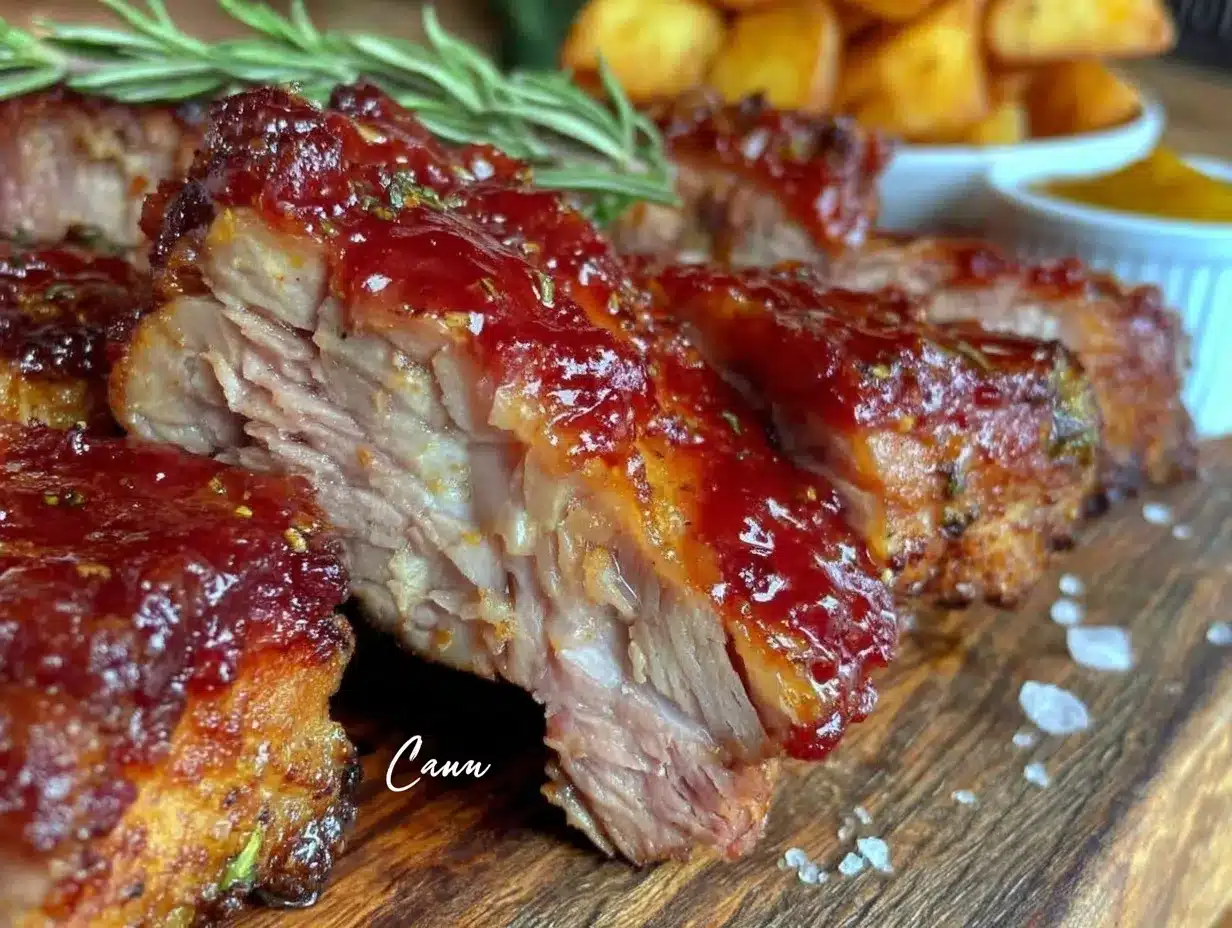
Alright, here’s where the magic happens. Follow along carefully—each step builds layers of flavor that make this dish unforgettable.
Step 1: Prep and Season the Pork (10 minutes)
Cut your pork shoulder into large chunks, about 3-inch pieces. Pat them dry with paper towels—moisture is the enemy of good browning. Generously season all sides with salt and freshly ground black pepper. This step is crucial for flavor and the beautiful crust later.
Step 2: Sear the Pork (10-12 minutes)
Heat the vegetable oil in your Dutch oven over medium-high heat until shimmering. Add pork pieces in batches—don’t overcrowd the pot or they’ll steam instead of sear. Brown each side until deep golden brown, about 3-4 minutes per side. The caramelized bits on the bottom? Don’t wipe those away; they’re flavor gold.
Step 3: Sauté the Aromatics (5 minutes)
Remove the pork and set aside. Lower heat to medium, add the sliced onions, carrots, and celery. Cook, stirring occasionally, until softened and golden, about 5 minutes. Add minced garlic and cook for another minute until fragrant.
Step 4: Deglaze and Build the Braise (5 minutes)
Pour in the dark beer, scraping up all those brown bits stuck to the bottom with your wooden spoon. Let it simmer for 2-3 minutes to reduce slightly and concentrate the flavor. Add the broth, bay leaves, and thyme sprigs. Return the pork to the pot, nestling it into the liquid.
Step 5: Braise Low and Slow (1.5 to 2 hours)
Cover the pot with a tight-fitting lid and transfer to a preheated oven at 325°F (160°C). Let the pork braise until it’s fall-apart tender—check at around 1.5 hours. The meat should easily shred with a fork and the sauce will be rich and reduced.
Step 6: Finish the Sauce (5 minutes)
Remove the pork to a serving dish and cover with foil to rest. Discard bay leaves and thyme stems. Place the pot back on the stove over medium heat. Stir in the whole grain mustard and butter, simmering until the sauce is glossy and thickened to your liking. Taste and adjust salt and pepper as needed.
Step 7: Serve
Pour the sauce over the pork and garnish with fresh thyme if you like. This Bavarian pork braised dish is heavenly served with creamy mashed potatoes, buttered spaetzle, or even a simple crusty bread to soak up every bite of that sauce.
Expert Tips & Tricks for Perfect Bavarian Pork Braised Every Time
- Don’t rush the searing: The crust on the pork brings deep flavor and seals in juices. It’s worth the extra 10 minutes.
- Use a good dark beer: A malty Dunkel or Bock adds authentic Bavarian depth. Avoid light beers—they don’t have the same richness.
- Low and slow is key: Resist the urge to crank up the heat. Slow braising breaks down tough fibers and makes the pork tender without drying it out.
- Save those browned bits: Deglazing the pot with beer releases all those caramelized flavors into your sauce. Don’t skip this step!
- Let the sauce rest and thicken: Stirring in mustard and butter at the end adds complexity and a silky finish.
- Make ahead: This dish tastes even better the next day after flavors meld in the fridge. Reheat gently with a splash of broth or water.
Variations & Substitutions You’ll Love
Once you’ve mastered the classic Bavarian pork braised, here are some twists and swaps I’ve tried that work great:
- Beer-Free Version: Swap dark beer for beef broth and a splash of apple cider vinegar for tang. Still rich and flavorful.
- Vegetable Boost: Add quartered baby potatoes and mushrooms during braising for a one-pot meal.
- Spicy Kick: Toss in a pinch of crushed red pepper flakes with the garlic for subtle heat.
- Slow Cooker Adaptation: Sear pork on stovetop, then transfer everything to a slow cooker and braise on low for 6-8 hours.
- Mustard Swap: Use Dijon mustard instead of whole grain for a smoother sauce.
- Pair with Sides from Other Favorites: This pork pairs beautifully with the creamy comfort of dishes like creamy smothered chicken and rice or the bright freshness of a Greek chicken with lemon and feta.
Serving & Storage Tips for Bavarian Pork Braised
Serving Suggestions: I love serving this pork alongside creamy mashed potatoes or buttered spaetzle to soak up the luscious sauce. Steamed green beans or a simple cabbage slaw add brightness to balance the richness. For a rustic feel, put the pork and sauce right in a big bowl for family-style dining.
Storage: Store leftovers in an airtight container in the fridge for up to 4 days. The flavor only gets better as it sits!
Reheating: Gently reheat on the stove over low heat with a splash of broth or water to loosen the sauce. Microwave works in a pinch but can dry out the pork if you’re not careful—heat in short intervals and stir.
Freezing: This braised pork freezes well. Portion into freezer-safe containers and freeze for up to 3 months. Thaw overnight in the fridge and reheat gently.
Nutrition Information
| Nutrient | Per Serving (6 servings) |
|---|---|
| Calories | 450 |
| Protein | 35g |
| Carbohydrates | 8g |
| Fiber | 2g |
| Sugar | 4g |
| Fat | 30g |
| Saturated Fat | 10g |
| Cholesterol | 110mg |
| Sodium | 500mg |
| Calcium | 40mg |
This is hearty comfort food with a good dose of protein and fat, thanks to the pork shoulder and butter. The carbs are low unless paired with traditional sides like potatoes or spaetzle. Using low-sodium broth helps keep salt levels in check.
Final Thoughts
So there you have it—my beloved Bavarian pork braised to tender perfection with rich, layered flavor. I’ve probably made this recipe more times than I can count, tweaking and testing until it felt just right. It’s saved me on so many weeknights when I wanted something comforting without fuss, and it’s impressive enough to serve guests.
Make it your own by swapping in your favorite sides or adding veggies, and don’t be shy with the mustard—it really lifts the sauce. If you try this Bavarian pork braised recipe, I’d love to hear how it turns out in your kitchen. And if you hit any bumps, just ask—I’m here to help!
Happy cooking, and may your kitchen soon smell like a cozy Bavarian inn!
Frequently Asked Questions
Can I use pork loin instead of pork shoulder?
You can, but I don’t recommend it. Pork loin is leaner and tends to dry out during braising. Pork shoulder has the right fat content and connective tissue that breaks down into tender, juicy meat. If you only have loin, reduce braising time and keep a close eye on moisture.
What if I don’t have dark beer? Can I skip it?
Absolutely. Beef or chicken broth works well as a substitute, though the flavor won’t be quite as rich. For a bit of acidity and depth, add a splash of apple cider vinegar or a teaspoon of Worcestershire sauce along with the broth.
How do I know when the pork is done?
It’s done when the meat is fork-tender and easily pulls apart. This usually takes about 1.5 to 2 hours at 325°F (160°C), but ovens vary. Start checking at 90 minutes. If it resists, give it more time—it’s worth the wait.
Can I make this in a slow cooker?
Yes! Sear the pork and sauté the aromatics on the stove first, then transfer everything to a slow cooker. Cook on low for 6-8 hours or until tender. The flavor is just as amazing, and it’s even more hands-off.
Why is the sauce sometimes thin or watery?
If your sauce is thin, it likely needs more time to reduce. After removing the pork, simmer the sauce uncovered on medium heat until it thickens. Adding a bit more mustard or butter at the end also helps create a silky texture.
Can I add vegetables to the braise?
Definitely! Root vegetables like potatoes, parsnips, or mushrooms make excellent additions. Add them halfway through the braising time so they don’t get mushy but come out tender.
How do I reheat leftovers without drying out the pork?
Reheat gently on the stove with a splash of broth or water over low heat, stirring occasionally. This keeps the pork moist and the sauce creamy. Microwaving works but can dry it out quickly, so heat in short bursts and add liquid as needed.
Pin This Recipe!
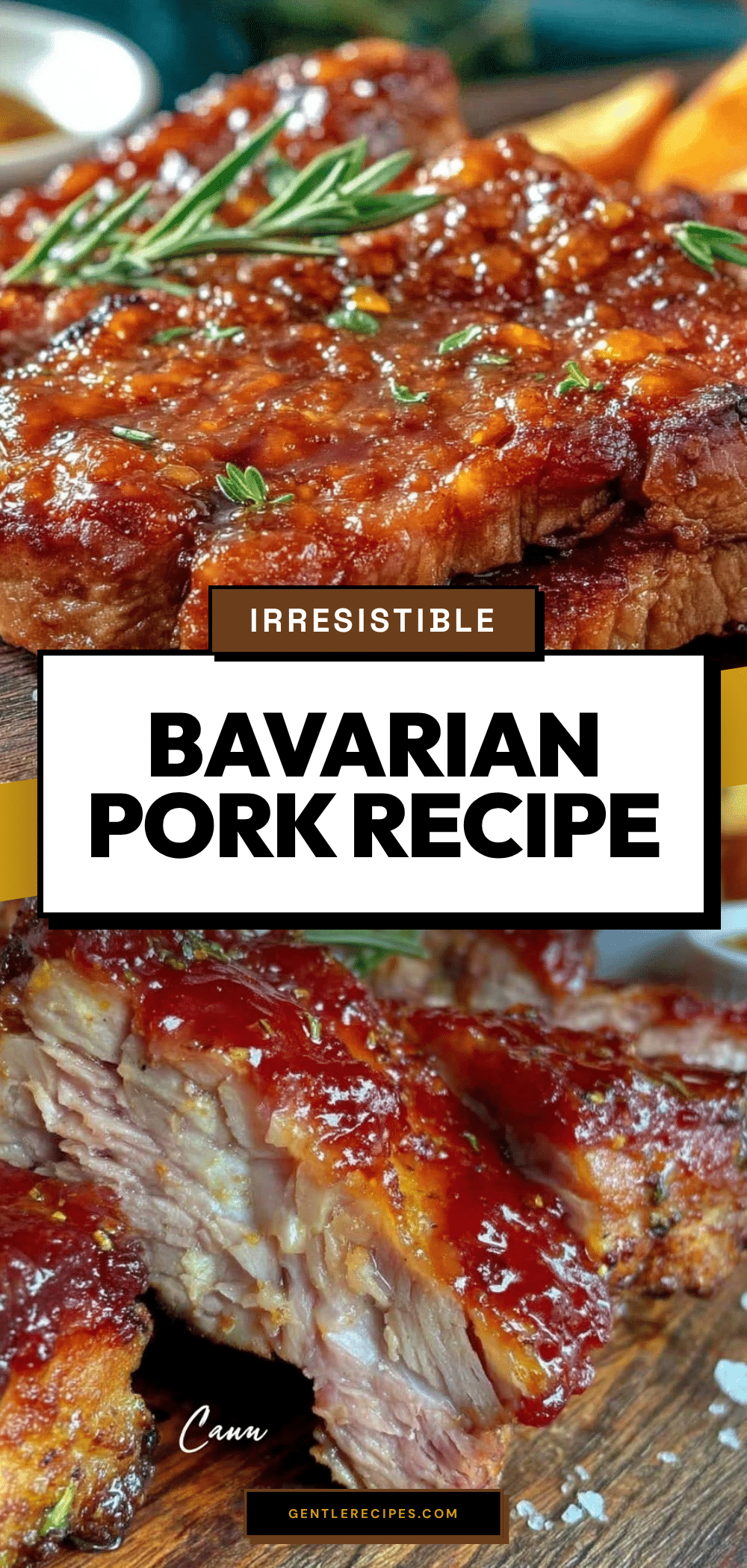

Bavarian Pork Braised Recipe Easy Tender Pork with Rich Flavor
- Total Time: 2 hours 5 minutes
- Yield: 6 servings 1x
Description
A hearty and soulful slow-braised pork shoulder dish inspired by Bavarian flavors, featuring tender, juicy meat in a rich, velvety sauce with caramelized onions, herbs, and dark beer.
Ingredients
- 3–4 pounds pork shoulder (1.4–1.8 kg), cut into 3-inch chunks
- Salt and freshly ground black pepper, to taste
- 2 tablespoons vegetable oil (30 ml)
- 2 large yellow onions, sliced (about 400g)
- 4 cloves garlic, minced (about 1 tablespoon)
- 2 medium carrots, cut into chunks (about 150g)
- 2 celery stalks, chopped (about 100g)
- 12 oz dark beer (355 ml) (Dunkel or Bock recommended) or beef broth as substitute
- 1 cup beef or chicken broth (240 ml)
- 2 bay leaves
- 4–5 sprigs fresh thyme (or 1 teaspoon dried thyme)
- 2 tablespoons whole grain mustard
- 2 tablespoons butter (30g)
Instructions
- Cut pork shoulder into large 3-inch chunks and pat dry with paper towels. Season generously with salt and freshly ground black pepper.
- Heat vegetable oil in a large heavy-bottomed Dutch oven over medium-high heat until shimmering. Add pork pieces in batches and sear each side for 3-4 minutes until deep golden brown. Do not overcrowd the pot.
- Remove pork and set aside. Lower heat to medium and add sliced onions, carrots, and celery. Cook, stirring occasionally, until softened and golden, about 5 minutes. Add minced garlic and cook for another minute until fragrant.
- Pour in dark beer, scraping up browned bits from the bottom. Let simmer for 2-3 minutes to reduce slightly. Add broth, bay leaves, and thyme sprigs. Return pork to the pot, nestling it into the liquid.
- Cover pot with a tight-fitting lid and transfer to a preheated oven at 325°F (160°C). Braise for 1.5 to 2 hours until pork is fall-apart tender.
- Remove pork to a serving dish and cover with foil to rest. Discard bay leaves and thyme stems. Place pot back on stove over medium heat. Stir in whole grain mustard and butter, simmer until sauce is glossy and thickened. Adjust seasoning with salt and pepper.
- Pour sauce over pork and garnish with fresh thyme if desired. Serve with creamy mashed potatoes, buttered spaetzle, or crusty bread.
Notes
[‘Use pork shoulder with some fat cap for best flavor and tenderness.’, ‘Do not skip searing the pork; it adds deep flavor and seals in juices.’, ‘Use a malty dark beer like Dunkel or Bock for authentic Bavarian flavor; avoid light beers.’, ‘Slow and low braising is key to tender meat without drying out.’, ‘Save browned bits on the pot bottom and deglaze with beer for rich sauce.’, ‘Stir in mustard and butter at the end for a silky, complex sauce.’, ‘This dish tastes better the next day as flavors meld; reheat gently with broth or water.’, ‘Can be adapted for slow cooker by searing pork and sautéing aromatics first, then cooking on low for 6-8 hours.’]
- Prep Time: 15 minutes
- Cook Time: 1 hour 50 minutes
- Category: Main Course
- Cuisine: German
Nutrition
- Serving Size: Approximately 1/6 of
- Calories: 450
- Sugar: 4
- Sodium: 500
- Fat: 30
- Saturated Fat: 10
- Carbohydrates: 8
- Fiber: 2
- Protein: 35
Keywords: Bavarian pork, braised pork, slow-cooked pork, pork shoulder recipe, comfort food, German cuisine, rich pork sauce