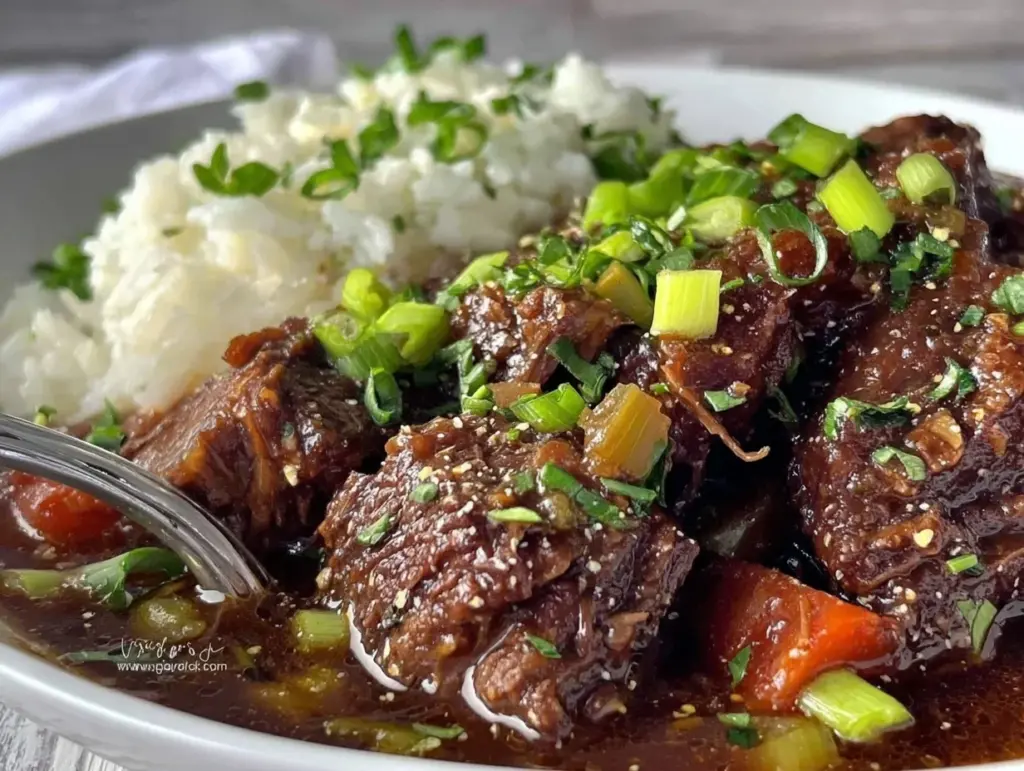
It was one of those chilly Sunday afternoons when I found myself craving something warm and comforting but also a little different from the usual pot roast. I’d been experimenting with Korean flavors for a while (side note: if you haven’t tried my savory Korean beef noodles, you’re missing out), and I wondered—what if I gave a classic pot roast that same rich, savory kick? After a few test runs over several weekends, I nailed this Korean style pot roast that’s tender, deeply flavorful, and comes together in under 3 hours. No all-day slow cooking, no complicated steps—just a pot roast that melts in your mouth with a sauce that’s equal parts sweet, salty, and umami-packed.
Here’s the thing: traditional pot roasts are great, but sometimes they feel heavy or one-note. This version uses Korean staples like soy sauce, garlic, ginger, and a touch of sweetness from brown sugar and rice wine vinegar to build layers of flavor. Plus, the cooking time is perfect for weekends or even a relaxed weekday dinner if you start early enough. I’ve made this recipe over a dozen times now, tweaking the balance of seasonings and cooking times until it hits that perfect tender-but-not-falling-apart texture. My family loves it, and honestly, neither of us misses the usual gravy-heavy roast one bit.
So, if you want a pot roast that’s tender, savory, and bursting with Korean flavors—without the all-day wait—keep reading. This Korean style pot roast is about to become your new favorite.
Why You’ll Love This Recipe
This Korean style pot roast has completely changed how I think about pot roast, and here’s why:
- Under 3 Hours to Tender Perfection — I’ve tested this repeatedly, and you don’t need to slow cook it all day. In about 2.5 hours, you get that melt-in-your-mouth tenderness.
- Deep, Layered Korean Flavors — The combo of garlic, ginger, soy sauce, and a hint of sweetness makes this pot roast anything but boring. My husband calls it “restaurant quality” and I tend to agree.
- Hands-Off Cooking — Once the pot is on the stove or in the oven, you can step away and relax. Perfect for busy weekends or when you want a stress-free dinner.
- Great for Meal Prep and Leftovers — This pot roast tastes even better the next day once the flavors meld. I often make extra to use in sandwiches or with rice bowls.
- Versatile Side Pairings — It pairs beautifully with simple steamed rice, roasted vegetables, or even something like my savory chicken sausage and broccoli orzo for a complete meal.
Real talk: If you’re tired of the same old pot roast and want something with a Korean twist that’s still easy and satisfying, this recipe will be your go-to. It’s comfort food with a flavor punch.
Ingredients You’ll Need
Here’s the best part: most of these ingredients are pantry staples or easy to find at any grocery store. The few Korean-specific items like gochujang (Korean chili paste) or rice wine vinegar can usually be found in the international aisle or an Asian market.
- Chuck Roast (3-4 pounds / 1.3-1.8 kg) — This cut is perfect for slow cooking. It breaks down beautifully and becomes tender. I avoid leaner cuts like sirloin because they dry out.
- Soy Sauce (½ cup / 120 ml) — Use low-sodium to control salt levels. This is the backbone of the savory flavor.
- Brown Sugar (3 tablespoons / 40 g) — Adds just the right amount of sweetness to balance the salty soy sauce.
- Gochujang (Korean Chili Paste) (2 tablespoons / 30 g) — Adds subtle heat and depth. If you’re spice-averse, cut this in half or omit.
- Garlic (6 cloves, minced / about 3 tablespoons) — Fresh and generous. No shortcuts here—this is where a lot of the flavor builds.
- Fresh Ginger (2 tablespoons, minced / about 30 g) — Gives a bright, zesty note that keeps the dish fresh.
- Rice Wine Vinegar (2 tablespoons / 30 ml) — Provides acidity that cuts through the richness. Don’t substitute with regular vinegar; the flavor is different.
- Sesame Oil (1 tablespoon / 15 ml) — Adds that toasty, nutty aroma Korean cooking is famous for.
- Beef Broth (2 cups / 480 ml) — Use low-sodium if possible. This creates the flavorful braising liquid.
- Green Onions (3-4 stalks, sliced) — For garnish and a fresh bite at the end.
- Carrots (3 medium, cut into chunks / about 300 g) — Classic pot roast vegetable that soaks up the sauce.
- Potatoes (3 medium, quartered / about 400 g) — Yukon gold or russet both work well.
Pro tip: If you want to mix up the veggies, try adding daikon radish or shiitake mushrooms for an even more Korean vibe.
Equipment Needed
You honestly don’t need anything fancy to make this Korean style pot roast. Here’s what I use every time:
- Large Dutch Oven or Heavy-Bottomed Pot — I prefer a 6-quart Dutch oven because it holds everything comfortably and retains heat well. If you don’t have one, a heavy skillet with a tight lid works too.
- Sharp Chef’s Knife — For chopping garlic, ginger, and vegetables. Trust me, a dull knife only slows you down and makes chopping miserable.
- Wooden Spoon or Silicone Spatula — For stirring the sauce and scraping up browned bits.
- Measuring Cups and Spoons — Standard stuff, but I recommend setting out all your ingredients before starting for smooth cooking.
- Tongs — Handy for flipping the roast when browning.
Optional: A kitchen thermometer can be useful if you want to check the internal temperature, but it’s not necessary if you follow timing and texture cues.
How to Make It: Step-by-Step
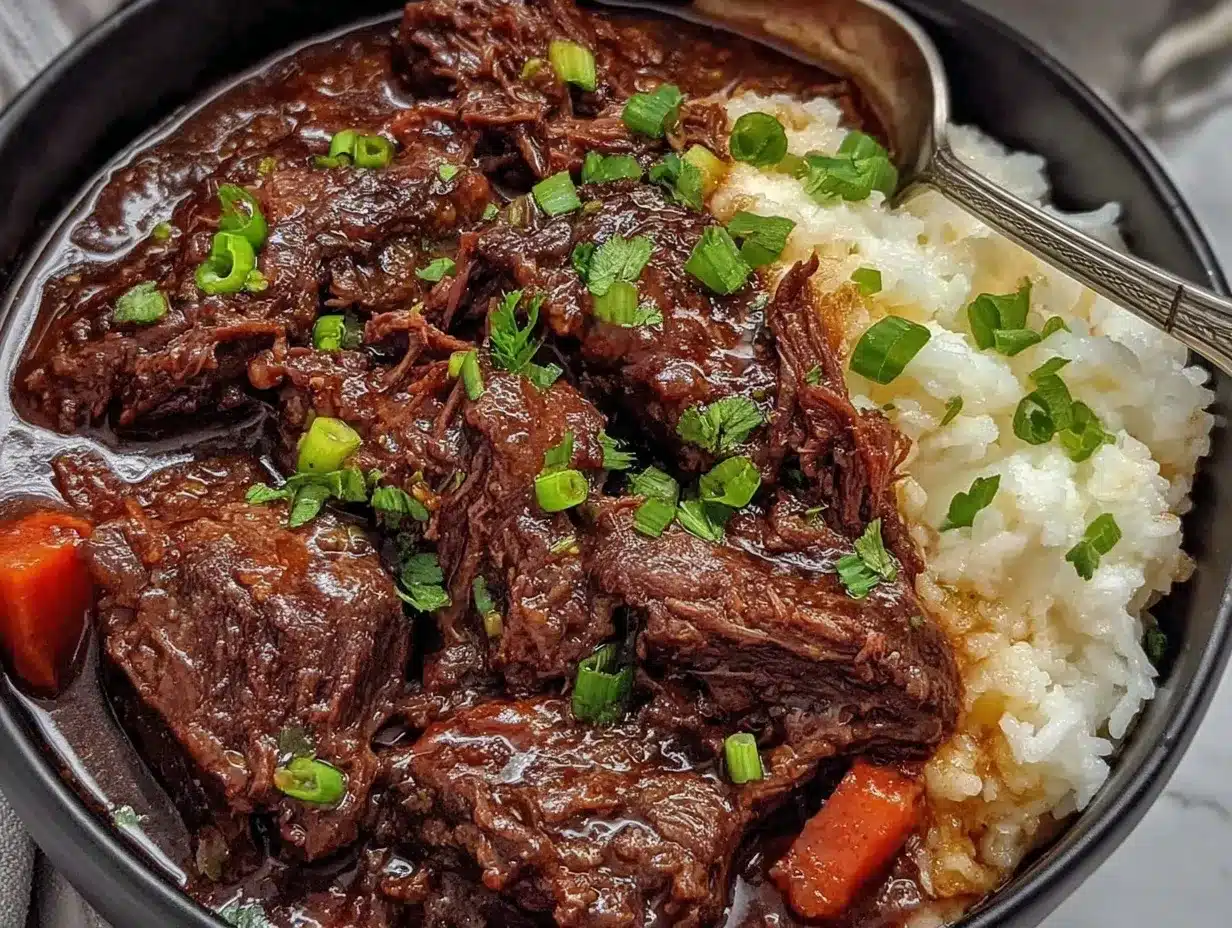
Alright, let’s dive into making this Korean style pot roast! I’m going to walk you through every step with all the tips I’ve learned from trial and error.
Step 1: Prep Your Ingredients (10 minutes)
Start by peeling and chopping the carrots and potatoes into large chunks. Mince the garlic and ginger finely. Slice the green onions and set aside for garnish. Measure out your soy sauce, brown sugar, gochujang, and rice wine vinegar. Having everything ready makes the next steps much easier.
Step 2: Brown the Roast (10 minutes)
Heat 1 tablespoon of sesame oil in your Dutch oven over medium-high heat until shimmering. Pat the chuck roast dry with paper towels (this helps with browning). Place it carefully in the pot and brown on all sides, about 3-4 minutes per side. You want a nice crust—it adds flavor and texture. Use tongs to turn the meat. Once browned, remove the roast and set it aside.
Step 3: Sauté Aromatics (3-4 minutes)
Lower heat to medium. Add another teaspoon of sesame oil if the pot looks dry. Toss in the minced garlic and ginger and sauté until fragrant, about 1-2 minutes. Add the gochujang and stir for another 30 seconds to bloom the chili paste’s flavors. Watch closely; you don’t want it to burn.
Step 4: Build the Sauce (5 minutes)
Pour in the soy sauce, brown sugar, rice wine vinegar, and beef broth. Stir well, scraping up any browned bits stuck to the bottom of the pot. Return the browned roast to the pot, nestling it into the sauce. Add the carrots and potatoes around the roast (they’ll soak up all that delicious sauce).
Step 5: Simmer Low and Slow (2 to 2.5 hours)
Bring the liquid to a gentle simmer, then cover the pot with a tight-fitting lid and lower the heat to maintain a very gentle simmer. Let it cook for about 2 to 2.5 hours, turning the roast once halfway through if you remember. The meat should be fork-tender but still hold its shape. The vegetables will be soft and infused with flavor.
Step 6: Finish and Garnish (5 minutes)
Once the roast is tender, remove it and the vegetables to a serving platter. If the sauce is too thin, increase the heat and simmer uncovered for a few minutes to thicken. Taste and adjust salt or sweetness if needed. Pour the sauce over the roast and veggies, and sprinkle with sliced green onions for a fresh pop.
Step 7: Serve and Enjoy
This pot roast is incredible served with steamed rice or even some buttery mashed potatoes. The sauce is perfect for spooning over everything. Sit down and savor all those layers of Korean-inspired goodness.
Expert Tips & Tricks
- Brown the Meat Well: Don’t rush this step. That crust is flavor gold and helps keep the juices inside.
- Use Fresh Garlic and Ginger: They make a huge difference in the vibrancy of the sauce.
- Don’t Skip the Gochujang: It’s subtle heat and umami boost set this pot roast apart.
- Low and Slow Is Key: Keep the simmer gentle. Too hot and the meat will toughen or the sauce will burn.
- Save Leftover Sauce: It’s fantastic drizzled over rice bowls or even used as a stir-fry sauce.
- Make Ahead: This pot roast tastes even better the next day after the flavors meld. Perfect for meal prep!
One mistake I made early on was rushing the simmer—my roast ended up chewy. Patience is your friend here.
Variations & Substitutions
Once you’ve nailed the basic Korean style pot roast, try mixing things up:
- Spicy Kick: Add extra gochujang or a chopped fresh chili for more heat.
- Vegetarian Twist: Substitute beef with firm tofu or seitan and use vegetable broth.
- Slow Cooker Version: Brown the meat and sauté aromatics, then transfer everything to a slow cooker and cook on low for 6-8 hours. Great for busy days.
- Additional Veggies: Shiitake mushrooms, daikon radish, or bok choy add interesting textures and flavors.
- Make it a One-Pot Meal: Serve with noodles—try pairing with my creamy slow cooker beef and noodles recipe for inspiration on comforting noodles.
Serving & Storage
How to Serve: I usually plate this Korean style pot roast with steamed white rice and a simple side of sautéed greens. It’s also fantastic with kimchi or pickled vegetables for that authentic Korean touch. For a heartier meal, add some roasted root vegetables or a crisp green salad.
Storing Leftovers: Store pot roast and sauce separately in airtight containers in the fridge for up to 4 days. Reheat gently on the stove with a splash of water or beef broth to loosen the sauce. Avoid microwave reheating without adding liquid—it can dry out the meat.
Freezing: This pot roast freezes well. Portion into airtight containers and freeze for up to 3 months. Thaw overnight in the fridge and reheat slowly on the stove for best results.
Nutrition Information
| Nutrient | Per Serving (6 servings) |
|---|---|
| Calories | 450 |
| Protein | 38g |
| Carbohydrates | 18g |
| Fat | 22g |
| Saturated Fat | 8g |
| Sodium | 650mg |
| Fiber | 3g |
Look, I’m no nutritionist, but this Korean style pot roast is a solid source of protein and has a nice balance of carbs and fats. The sodium can be controlled by using low-sodium soy sauce and broth. Adding more veggies bumps up fiber and nutrients, making it even more wholesome.
Final Thoughts
So, that’s my Korean style pot roast recipe—tender, savory, and ready in under 3 hours. I’ve probably rambled a bit because this recipe means a lot to me; it’s saved countless dinners and impressed guests without fuss. It’s the kind of dish you make once and keep coming back to because it just works.
Don’t be afraid to make it your own—swap veggies, adjust the spice, or add your favorite sides. I’m always experimenting with Korean flavors, so if you’re curious, you might also enjoy my take on honey garlic beef slow cooker recipe that’s equally satisfying and easy.
If you give this Korean style pot roast a try, drop a comment and let me know how it turned out! I love hearing your stories and tips. Happy cooking, and may your kitchen smell as amazing as mine does right now.
Frequently Asked Questions
Q: Can I make this Korean style pot roast in a slow cooker?
A: Yes! Brown the meat and sauté the aromatics first, then transfer everything to your slow cooker. Cook on low for 6-8 hours until tender. The flavors develop beautifully, and it’s a great hands-off option if you have more time.
Q: What if I don’t have gochujang? Can I substitute it?
A: Gochujang is unique with its sweet, spicy, and fermented flavor, but if you don’t have it, mix a tablespoon of miso paste with a teaspoon of chili flakes or hot sauce as a rough substitute. It won’t be exactly the same, but it’ll still taste great.
Q: How do I know when the roast is done?
A: You want the meat to be fork-tender but not falling apart. After about 2 hours of simmering, start checking by piercing with a fork—it should slide in easily and the roast should feel soft but still sliceable.
Q: Can I use a different cut of beef?
A: Chuck roast is ideal because of its marbling and connective tissue that breaks down during cooking. Brisket or short ribs could also work but might require longer cooking times. Avoid lean cuts like sirloin, which dry out.
Q: Is this recipe spicy?
A: It has a mild heat from the gochujang, which adds warmth without overwhelming the dish. If you prefer mild, reduce the amount or omit. For more heat, add extra gochujang or fresh chili.
Q: Can I prepare this recipe ahead of time?
A: Absolutely. This pot roast tastes even better the next day as the flavors deepen. You can make it a day ahead and gently reheat before serving.
Q: What sides go best with Korean style pot roast?
A: Steamed white rice is classic, but I also love it with roasted vegetables or a crisp salad. For a Korean twist, try serving with kimchi or pickled cucumbers. You might also enjoy pairing it with comforting dishes like my easy slow cooker chicken and stuffing recipe for a full meal.
Pin This Recipe!
Korean Style Pot Roast Recipe Easy Tender Savory Under 3 Hours
- Total Time: 2 hours 45 minutes
- Yield: 6 servings 1x
Description
A tender and savory pot roast infused with Korean flavors like soy sauce, garlic, ginger, and gochujang, ready in under 3 hours without all-day slow cooking.
Ingredients
- 3–4 pounds chuck roast
- ½ cup low-sodium soy sauce
- 3 tablespoons brown sugar
- 2 tablespoons gochujang (Korean chili paste)
- 6 cloves garlic, minced (about 3 tablespoons)
- 2 tablespoons fresh ginger, minced (about 30 g)
- 2 tablespoons rice wine vinegar
- 1 tablespoon sesame oil
- 2 cups low-sodium beef broth
- 3–4 stalks green onions, sliced
- 3 medium carrots, cut into chunks (about 300 g)
- 3 medium potatoes, quartered (Yukon gold or russet, about 400 g)
Instructions
- Prep your ingredients by peeling and chopping carrots and potatoes into large chunks. Mince garlic and ginger finely. Slice green onions and set aside for garnish. Measure out soy sauce, brown sugar, gochujang, and rice wine vinegar.
- Heat 1 tablespoon sesame oil in a large Dutch oven over medium-high heat until shimmering. Pat the chuck roast dry and brown on all sides, about 3-4 minutes per side. Remove and set aside.
- Lower heat to medium. Add another teaspoon sesame oil if needed. Sauté minced garlic and ginger until fragrant, about 1-2 minutes. Add gochujang and stir for 30 seconds to bloom flavors.
- Pour in soy sauce, brown sugar, rice wine vinegar, and beef broth. Stir well, scraping browned bits from the pot. Return the roast to the pot and nestle it into the sauce. Add carrots and potatoes around the roast.
- Bring liquid to a gentle simmer, cover with a tight-fitting lid, and lower heat to maintain a very gentle simmer. Cook for 2 to 2.5 hours, turning the roast once halfway through if possible, until meat is fork-tender but still holds shape.
- Remove roast and vegetables to a serving platter. If sauce is too thin, simmer uncovered for a few minutes to thicken. Adjust seasoning if needed. Pour sauce over roast and veggies, and garnish with sliced green onions.
- Serve with steamed rice, mashed potatoes, or your preferred sides and enjoy.
Notes
Brown the meat well for flavor and moisture retention. Use fresh garlic and ginger for vibrant sauce. Keep simmering low and slow to avoid tough meat or burnt sauce. Save leftover sauce for rice bowls or stir-fry. The dish tastes better the next day as flavors meld. For a slow cooker version, brown meat and sauté aromatics first, then cook on low for 6-8 hours.
- Prep Time: 15 minutes
- Cook Time: 2 hours 30 minutes
- Category: Main Course
- Cuisine: Korean
Nutrition
- Serving Size: 1 serving (approxima
- Calories: 450
- Sodium: 650
- Fat: 22
- Saturated Fat: 8
- Carbohydrates: 18
- Fiber: 3
- Protein: 38
Keywords: Korean pot roast, Korean style beef, pot roast recipe, gochujang pot roast, savory pot roast, easy pot roast, Korean flavors, comfort food