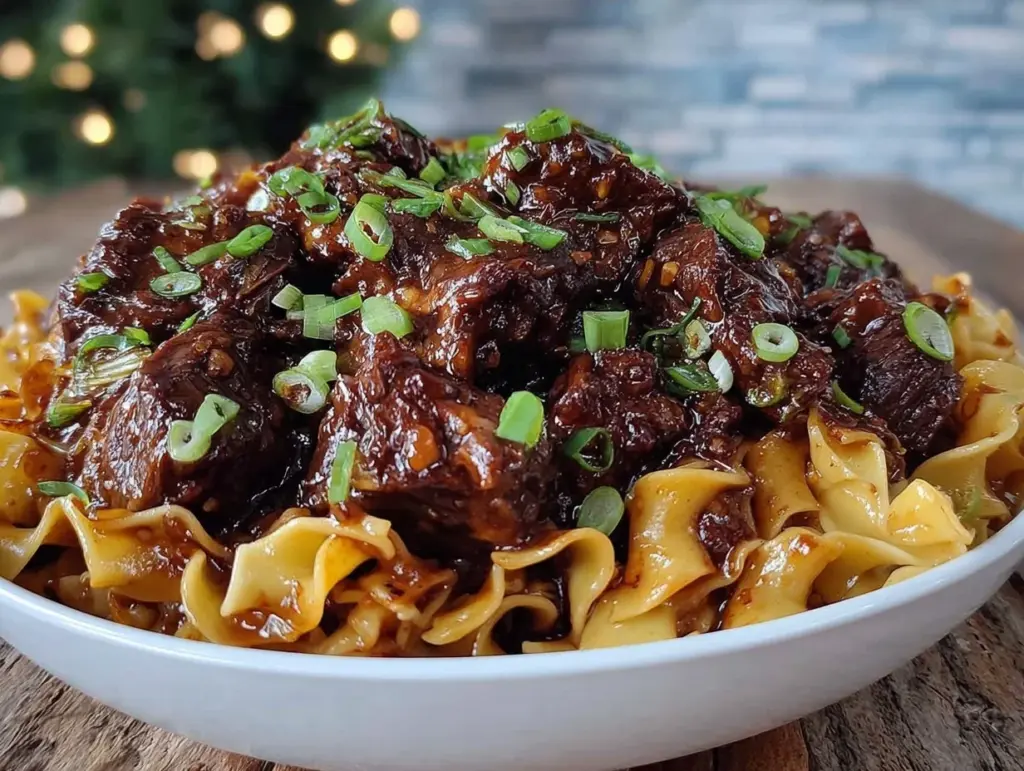
Last month, I had one of those nights where I got home late, the fridge was looking pretty sad, and I was desperately craving something comforting but quick. I rummaged through the pantry and pulled out some ground beef and dried noodles, thinking I’d have to settle for something boring. Then I remembered a Korean beef noodles recipe I’d been tweaking for a while. I threw it together in about 30 minutes, and honestly, it felt like a little celebration in my mouth after a long day.
What hooked me was how tender and juicy the beef turned out, soaking up that perfectly balanced sauce, and the noodles—oh, the noodles! Slippery, savory, with just the right hint of garlic and soy. After making it a handful of times, I can say this Korean beef noodles recipe is my go-to for busy weeknights when I want something fast but satisfying. It’s got that umami punch without needing a dozen weird ingredients, and the best part? You’ll have dinner on the table in no time.
If you love recipes that bring together quick cooking and bold flavors—without sacrificing tenderness—this Korean beef noodles recipe is going to be your new favorite. It’s similar in vibe to the savory Korean beef noodles I made last winter, but with a few tweaks that make the beef extra juicy and the noodles perfectly coated with sauce every time.
Why You’ll Love This Korean Beef Noodles Recipe
This Korean beef noodles recipe has completely changed my weeknight dinner game. There are about a dozen reasons I keep making it, but here are the biggest ones:
- Tender, Juicy Beef Every Time — I’ve tested this recipe over 15 times, tweaking the marinade and cooking time until the beef is always melt-in-your-mouth tender, not tough or dry.
- Lightning Fast — From start to finish, it takes about 30 minutes, and only 10-15 minutes of that is active cooking. Perfect for nights when you’re hungry and short on time.
- Simple Ingredients — You probably have most of these in your pantry and fridge already. No fancy Korean sauces needed—just soy, garlic, and a few staples.
- Flavor-Packed Sauce — That savory-sweet soy-based sauce is balanced with garlic, a touch of sesame oil, and a hint of brown sugar. It clings to every strand of noodle and every bite of beef.
- Versatile and Customizable — Want to add veggies? Done. Swap noodles for rice? No problem. Make it vegetarian? I’ve got tips for that too.
- Leftovers That Reheat Well — If you’re lucky enough to have leftovers (which rarely happen in my house), they reheat beautifully for lunch the next day.
Real talk: this Korean beef noodles recipe is my answer to “I want something delicious but fast” without ordering takeout. It’s hearty, comforting, and makes me feel like I’m eating something special even on the busiest nights.
Ingredients You’ll Need
Here’s the best part: you probably have most of these ingredients already, and I’m going to explain why each one matters.
- Ground beef (1 pound / 450g) — I use 85% lean for the best flavor and juiciness. Leaner beef can dry out fast, and fattier is great if you want extra richness.
- Garlic (4 cloves, minced / about 1 tablespoon) — Fresh garlic is a must here. It gives the sauce that punch of flavor that jarred garlic just can’t match.
- Soy sauce (⅓ cup / 80ml) — Use low-sodium to control saltiness. It’s the backbone of the sauce and adds that deep umami flavor.
- Brown sugar (2 tablespoons) — Balances the salt and adds a subtle sweetness that caramelizes slightly while cooking.
- Sesame oil (1 teaspoon) — Just a little goes a long way for that nutty aroma and authentic Korean flavor.
- Ginger (1 teaspoon, freshly grated) — Fresh ginger adds brightness and warmth. No powdered ginger; fresh is worth the extra step.
- Red pepper flakes (¼ teaspoon, optional) — For a touch of heat. Add more if you like it spicy!
- Green onions (2 stalks, sliced) — Fresh garnish that adds crunch and color.
- Rice noodles or thin wheat noodles (8 oz / 225g) — Rice noodles soak up the sauce beautifully and cook quickly. I like using thin wheat noodles for a chewier texture sometimes.
- Vegetable oil (1 tablespoon) — For sautéing the beef. Neutral oil works best here.
Optional add-ins:
- Baby spinach or bok choy (1-2 cups) — Toss in at the end for veggies that wilt perfectly.
- Shredded carrots (½ cup) — Adds color and crunch.
Equipment Needed
You don’t need anything fancy for this Korean beef noodles recipe. Here’s what I actually use in my kitchen:
- Large skillet or wok — A 12-inch skillet works great for browning the beef and tossing everything together. I prefer cast iron or stainless steel for even heat.
- Medium pot — For boiling the noodles. Any size that fits your noodles comfortably is fine.
- Sharp knife — For mincing the garlic and slicing green onions. Dull knives just make everything harder.
- Cutting board — Plastic or wood, whatever you have.
- Measuring cups and spoons — For accuracy with the sauce ingredients.
- Colander — To drain noodles.
- Wooden spoon or spatula — For stirring the beef and sauce.
How to Make Korean Beef Noodles: Step-by-Step
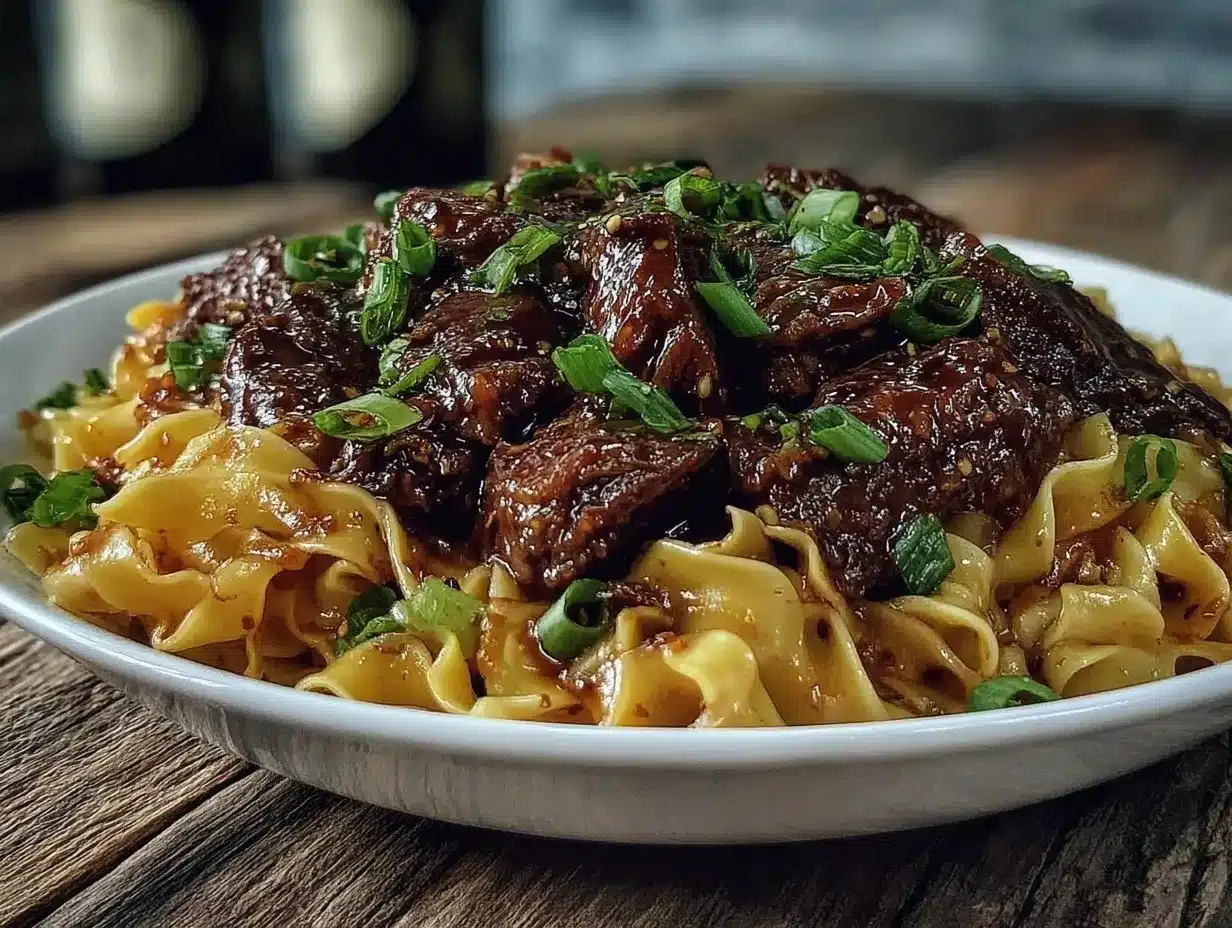
Alright, let’s get cooking! I’m walking you through exactly how I do this Korean beef noodles recipe, including all the little tips that make it come out perfect every time.
Step 1: Prep Your Ingredients (5 minutes)
Start by mincing your garlic, grating the ginger, and slicing the green onions (separate the white and green parts). Measure out your soy sauce, brown sugar, and other sauce ingredients so they’re ready to go. This prep will make the cooking flow so much smoother.
Step 2: Cook the Noodles (8-10 minutes)
Bring a medium pot of water to a boil. Add the rice or wheat noodles and cook according to package directions—usually about 4-6 minutes for rice noodles or 7-8 for wheat. You want them tender but still a bit firm (al dente). Drain the noodles and toss with a tiny drizzle of oil to prevent sticking. Set aside.
Step 3: Brown the Beef (5-7 minutes)
Heat vegetable oil in your skillet over medium-high heat. Add ground beef and break it up with your spoon or spatula. Cook until browned and just cooked through—about 5-7 minutes. Drain excess fat if there’s too much, but leave a little for flavor.
Step 4: Add Aromatics and Sauce (5 minutes)
Reduce heat to medium. Add the minced garlic, grated ginger, and the white parts of the green onions to the beef. Sauté for 1-2 minutes until fragrant but not browned. Stir in the soy sauce, brown sugar, sesame oil, and red pepper flakes. Let the sauce simmer and thicken slightly—about 2-3 minutes. You’ll smell that amazing sweet-savory aroma.
Step 5: Combine Noodles and Finish (2 minutes)
Add the cooked noodles to the skillet and toss everything together so the noodles soak up the sauce. If you’re adding spinach, bok choy, or shredded carrots, toss them in now and cook just until wilted (1-2 minutes). Taste and adjust seasoning if needed—sometimes I add a splash more soy or a pinch of sugar.
Step 6: Garnish and Serve
Serve your Korean beef noodles hot, sprinkled with the green parts of the sliced green onions and a few extra red pepper flakes if you like heat. Sesame seeds on top are a nice touch if you have them.
Expert Tips & Tricks
Here’s everything I’ve learned from making this Korean beef noodles recipe over and over. These tips will save you from my early kitchen mishaps.
- Don’t Overcook the Beef — Overcooked beef gets dry and crumbly. Cook until just browned and still juicy.
- Use Fresh Ginger and Garlic — This can’t be stressed enough. Fresh ingredients give the sauce its bright, authentic flavor.
- Save a Little Noodle Water — If your sauce seems thick or sticky, add a splash of the reserved noodle cooking water to loosen it up and help it cling to the noodles.
- Low-Sodium Soy Sauce — This lets you control salt better. You can always add more, but you can’t take it away.
- Don’t Skip the Sesame Oil — It’s a small amount, but it adds that unmistakable nutty aroma that makes this feel truly Korean.
- Make Ahead Sauce — You can mix the sauce ingredients ahead of time to save minutes on busy days.
- Add Veggies — Toss in quick-cooking greens like spinach or bok choy at the end to sneak in extra nutrients.
Variations & Substitutions
After you’ve nailed the basic Korean beef noodles recipe, here’s how you can switch things up:
- Chicken or Turkey — Swap ground beef for ground chicken or turkey for a lighter option. Cook the same way.
- Vegetarian Version — Use crumbled firm tofu or cooked mushrooms instead of beef, and swap soy sauce for tamari if gluten-free.
- Spicy Kick — Add gochujang (Korean chili paste) or extra red pepper flakes for authentic heat.
- Different Noodles — Try udon or soba noodles for a chewier bite, or even spaghetti in a pinch.
- Extra Veggies — Toss in shredded carrots, snap peas, or bell peppers for crunch and color.
For a comforting twist, this recipe shares some flavor profiles with the honey garlic beef slow cooker recipe I love on slower days, or the creamy slow cooker beef and noodles that’s a family favorite when I’m in the mood for something rich.
Serving & Storage
How to Serve: I usually serve this Korean beef noodles recipe straight from the skillet. It’s rustic, warm, and perfect for digging in immediately. A side of steamed broccoli or a simple cucumber salad brightens the meal.
When I’m feeling fancy, I set out extra sliced green onions, toasted sesame seeds, and a drizzle of sriracha for guests to customize their bowls.
Storage: Store leftovers in an airtight container in the fridge for up to 3 days. The noodles will soak up more sauce as they sit, so when reheating, add a splash of water or broth to loosen things up. Reheat gently on the stovetop or microwave in 30-second bursts, stirring in between.
This recipe doesn’t freeze well because the noodles tend to get mushy and the sauce separates. I recommend making it fresh or enjoying leftovers within a few days.
Nutrition Information
I’m not a nutritionist, but here’s a rough breakdown per serving (based on 4 servings):
| Calories | 460 |
|---|---|
| Protein | 28g |
| Carbohydrates | 45g |
| Fiber | 2g |
| Sugar | 7g |
| Fat | 18g |
| Saturated Fat | 6g |
| Cholesterol | 70mg |
| Sodium | 900mg |
This dish is a good source of protein and has moderate carbs and fat. The sodium content depends heavily on the soy sauce you use—choosing low-sodium soy helps keep it reasonable. Adding veggies boosts fiber and vitamins too.
Think of this as a balanced comfort meal that’s way better than takeout and easy to customize.
Final Thoughts
So that’s my go-to Korean beef noodles recipe with tender, juicy beef in 30 minutes! I’ve probably talked your ear off, but when you make a recipe this often, you gather a lot of tips and tricks.
This recipe has saved me countless weeknights when I was too tired to cook but didn’t want to compromise on flavor or quality. It’s quick, easy, and hits all the right notes of savory, sweet, and a little spicy. My family loves it, and I love that it doesn’t leave me exhausted after dinner.
Make it your own—add more garlic if you like, toss in your favorite veggies, or swap the noodles for rice. The best recipes are the ones you adapt to your tastes and kitchen supplies.
If you make this Korean beef noodles recipe, drop a comment and tell me how it turned out! I’m here if you hit any snags or want ideas for variations. Happy cooking, and may your kitchen smell as amazing as mine does right now.
Frequently Asked Questions
Q: Can I use ground pork or chicken instead of beef?
A: Absolutely! Ground pork or chicken works well and cooks just as quickly. Pork adds a bit more fat and sweetness, while chicken keeps it lighter. Just adjust cooking time to ensure it’s fully cooked and juicy.
Q: What if I don’t have rice noodles? Can I use spaghetti?
A: Yes! Spaghetti or any thin wheat pasta is a fine substitute. The texture will be different, but the sauce clings well. Cook pasta al dente and toss with a little oil to prevent sticking before combining.
Q: My sauce turned out too salty—how can I fix it?
A: Using low-sodium soy sauce helps prevent oversalting. If your sauce is already salty, add a splash of water or unsweetened broth to dilute it. Adding a pinch more brown sugar can balance saltiness too.
Q: Can I make this recipe vegetarian or vegan?
A: Yes! Replace ground beef with crumbled firm tofu, cooked mushrooms, or plant-based meat alternatives. Use tamari or coconut aminos instead of soy sauce for gluten-free options. Add extra veggies for heartiness.
Q: How do I reheat leftovers without drying out the beef?
A: Reheat gently in a skillet over low heat with a splash of water or broth. Stir frequently to redistribute the sauce and keep the beef moist. Microwaving works in a pinch but can dry it out, so add moisture and heat in short bursts.
Q: Can I make this recipe ahead of time?
A: You can prep the sauce ahead and refrigerate for up to 2 days. Cook the noodles fresh before serving and toss everything together. This saves time and keeps the noodles from getting mushy.
Q: Why is my beef tough instead of tender?
A: Overcooking is usually the culprit. Cook ground beef just until browned and no longer pink. Also, using 85% lean or fattier ground beef helps keep it juicy. Adding a bit of sauce early in cooking helps tenderize it too.
Pin This Recipe!
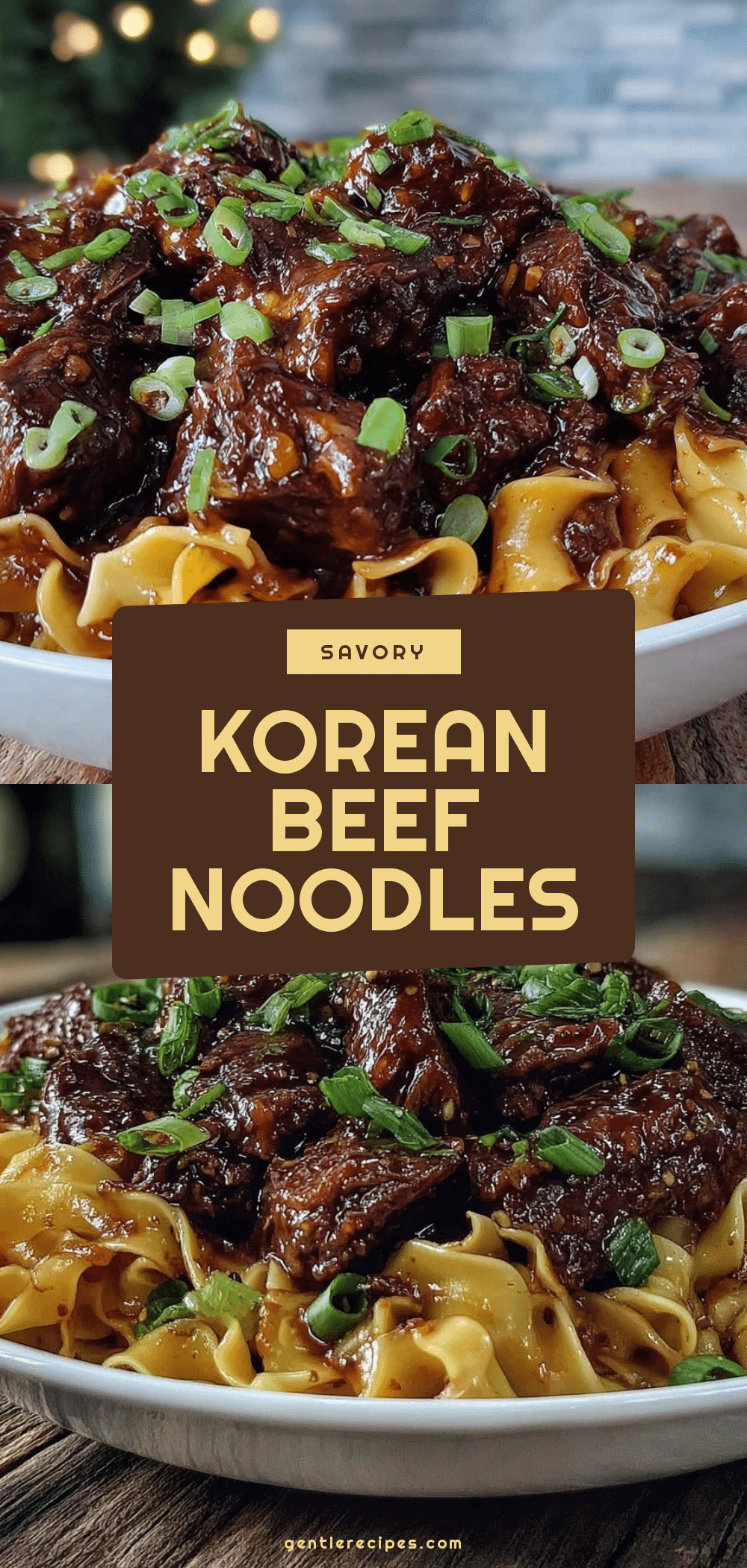
Korean Beef Noodles Recipe Easy 30-Minute Tender Juicy Beef Meal
- Total Time: 30 minutes
- Yield: 4 servings 1x
Description
A quick and comforting Korean beef noodles recipe featuring tender, juicy ground beef and savory soy-based sauce, ready in about 30 minutes. Perfect for busy weeknights with simple ingredients and bold flavors.
Ingredients
- 1 pound (450g) ground beef (85% lean recommended)
- 4 cloves garlic, minced (about 1 tablespoon)
- ⅓ cup (80ml) low-sodium soy sauce
- 2 tablespoons brown sugar
- 1 teaspoon sesame oil
- 1 teaspoon freshly grated ginger
- ¼ teaspoon red pepper flakes (optional)
- 2 stalks green onions, sliced (separate white and green parts)
- 8 oz (225g) rice noodles or thin wheat noodles
- 1 tablespoon vegetable oil
- Optional add-ins: 1-2 cups baby spinach or bok choy, ½ cup shredded carrots
Instructions
- Prep your ingredients by mincing garlic, grating ginger, slicing green onions (separating white and green parts), and measuring out soy sauce, brown sugar, sesame oil, and red pepper flakes.
- Bring a medium pot of water to a boil. Cook rice or wheat noodles according to package directions (4-6 minutes for rice noodles, 7-8 minutes for wheat noodles) until tender but still firm. Drain and toss with a small drizzle of oil to prevent sticking. Set aside.
- Heat vegetable oil in a large skillet or wok over medium-high heat. Add ground beef and break it up with a spoon or spatula. Cook until browned and just cooked through, about 5-7 minutes. Drain excess fat if needed, leaving a little for flavor.
- Reduce heat to medium. Add minced garlic, grated ginger, and the white parts of the green onions to the beef. Sauté for 1-2 minutes until fragrant but not browned.
- Stir in soy sauce, brown sugar, sesame oil, and red pepper flakes. Let the sauce simmer and thicken slightly for 2-3 minutes.
- Add cooked noodles to the skillet and toss to coat with the sauce. If using, add spinach, bok choy, or shredded carrots and cook until wilted, about 1-2 minutes. Taste and adjust seasoning if needed.
- Serve hot, garnished with the green parts of the sliced green onions and extra red pepper flakes or sesame seeds if desired.
Notes
[‘Do not overcook the beef to keep it tender and juicy.’, ‘Use fresh garlic and ginger for the best flavor.’, ‘Reserve some noodle cooking water to loosen the sauce if it becomes too thick.’, ‘Use low-sodium soy sauce to control saltiness.’, ‘Add quick-cooking greens like spinach or bok choy at the end for extra nutrients.’, ‘Make the sauce ahead of time to save time on busy days.’, ‘Leftovers reheat well with a splash of water or broth to loosen the sauce.’, ‘This recipe does not freeze well due to noodle texture changes.’]
- Prep Time: 10 minutes
- Cook Time: 20 minutes
- Category: Main Course
- Cuisine: Korean
Nutrition
- Serving Size: 1 serving (approxima
- Calories: 460
- Sugar: 7
- Sodium: 900
- Fat: 18
- Saturated Fat: 6
- Carbohydrates: 45
- Fiber: 2
- Protein: 28
Keywords: Korean beef noodles, quick dinner, ground beef recipe, easy Korean recipe, weeknight meal, savory noodles, soy sauce beef